Skip to content
Electrowa.com

Electrical Terms Explained & English Vocabulary Guides

  • Home
  • Electrical Field
  • Contact Us
  • About Us

Electrical Field

Explore electrical engineering topics, components, circuits, power systems, wiring, safety, maintenance, and practical guides for students, technicians, and professionals.

Home » Electrical Field » Page 5
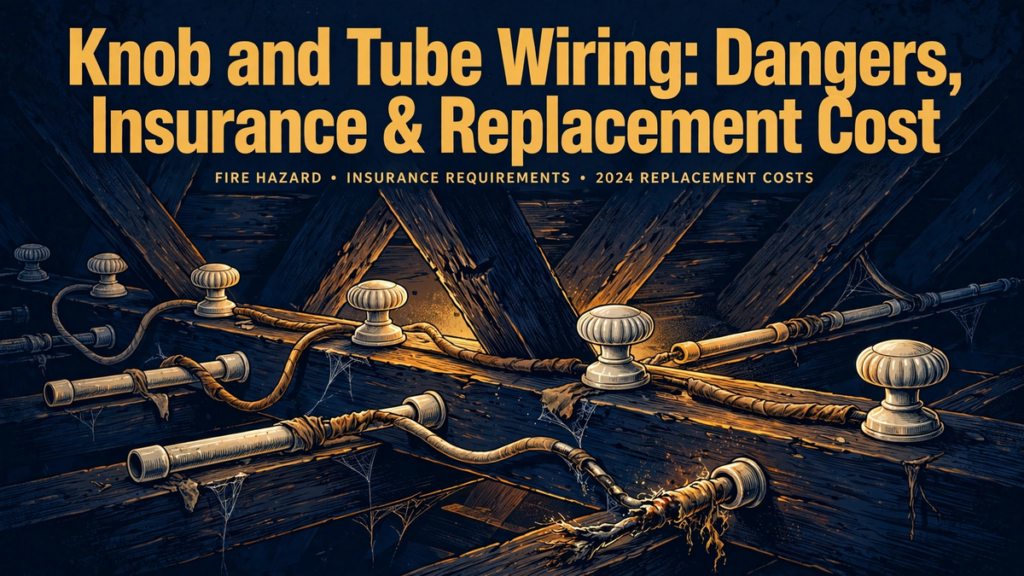
Knob and Tube Wiring: Dangers, Insurance & Replacement Cost
Posted inElectrical Field

Knob and Tube Wiring: Dangers, Insurance & Replacement Cost

If your home was built before World War II, porcelain knobs and ceramic tubes may still be hiding in the attic and walls. Knob and tube wiring electrified American homes…
Posted by David wisay November 5, 2026
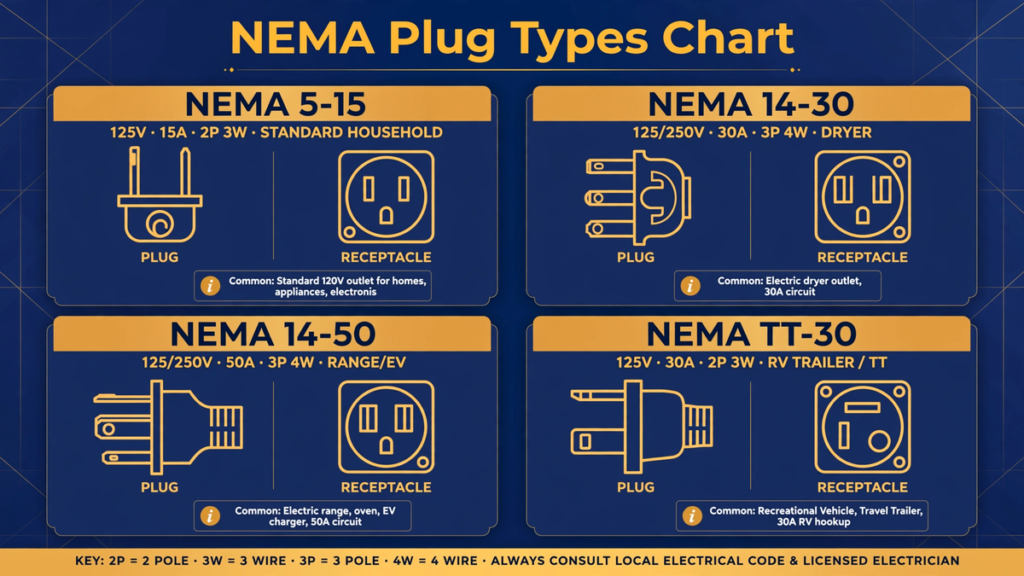
NEMA Plug Types Chart: Complete Guide to US Outlet Configurations
Posted inElectrical Field

NEMA Plug Types Chart: Complete Guide to US Outlet Configurations

Every plug and outlet in North America follows the NEMA numbering system — codes like 5-15R and 14-50R stamped on receptacles. Once decoded, you can instantly tell a plug's voltage,…
Posted by David wisay November 5, 2026
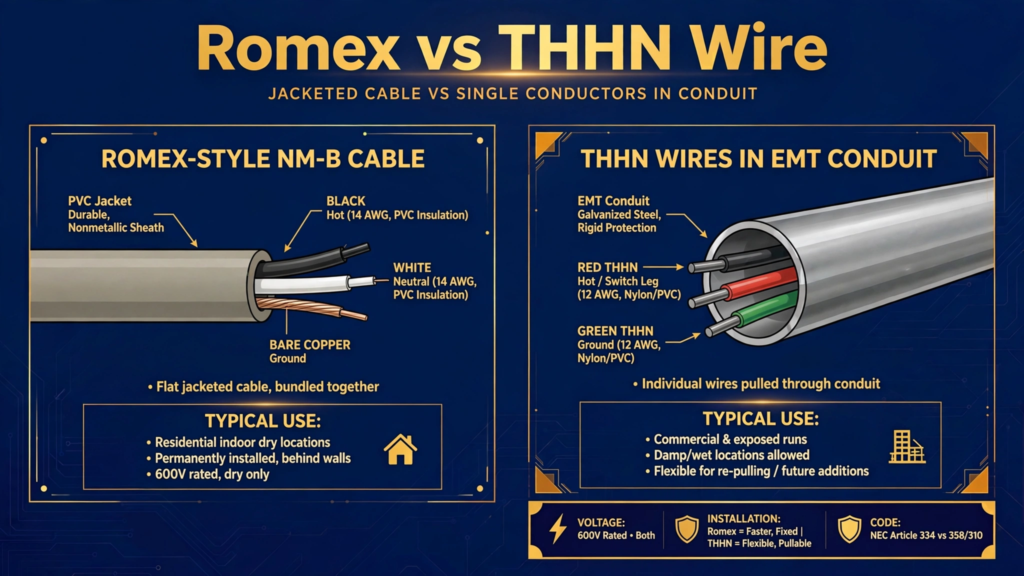
Romex vs THHN Wire: Which Should You Use?
Posted inElectrical Field

Romex vs THHN Wire: Which Should You Use?

Walk into any home-improvement store and you will see two very different-looking electrical wires on the shelf: coils of flat, jacketed cable labeled "Romex" and spools of single wires labeled…
Posted by David wisay November 5, 2026
Single Pole vs Double Pole Breaker: What's the Difference?
Posted inElectrical Field

Single Pole vs Double Pole Breaker: What’s the Difference?

Open your breaker panel and you will see rows of narrow switches that look alike at first glance — until you notice some are twice as wide as the others.…
Posted by David wisay November 5, 2026
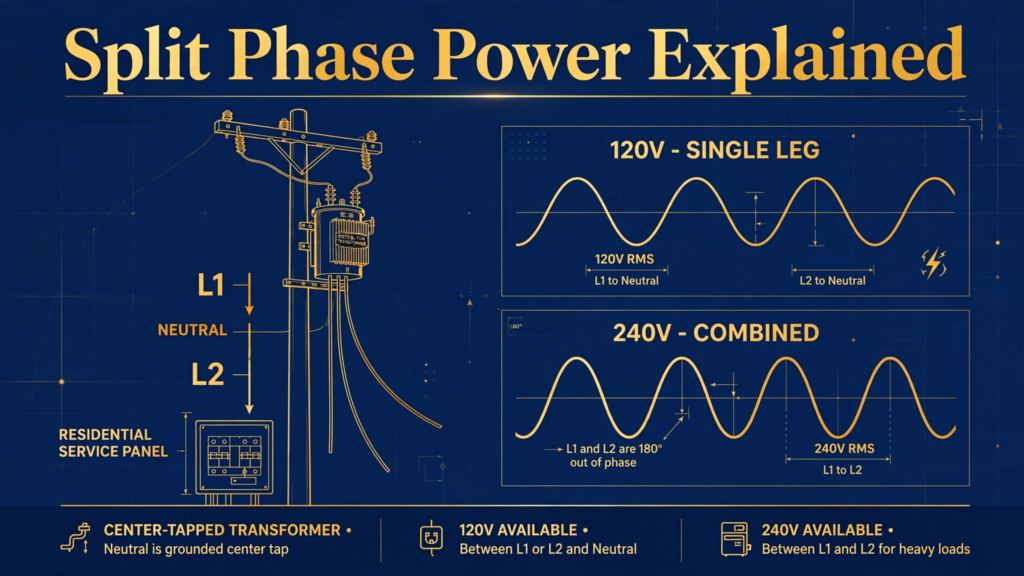
Split Phase Power Explained: How US 120/240V Works
Posted inElectrical Field

Split Phase Power Explained: How US 120/240V Works

Every US home runs on a clever compromise: one electrical service that delivers both gentle 120-volt power for lamps and laptops and muscular 240-volt power for dryers and air conditioners.…
Posted by David wisay November 4, 2026
Tamper Resistant Outlets: NEC Requirements Explained
Posted inElectrical Field

Tamper Resistant Outlets: NEC Requirements Explained

Every year, thousands of American children end up in emergency rooms after inserting objects — hairpins, keys, paper clips — into outlets. Tamper-resistant receptacles are the NEC's answer: outlets with…
Posted by David wisay November 4, 2026
What Is a Tandem Breaker? Space-Saver Breakers Explained
Posted inElectrical Field

What Is a Tandem Breaker? Space-Saver Breakers Explained

If your electrical panel is full and you need to add another circuit, you have probably heard about a handy shortcut called a tandem breaker. These clever little devices squeeze…
Posted by David wisay November 4, 2026
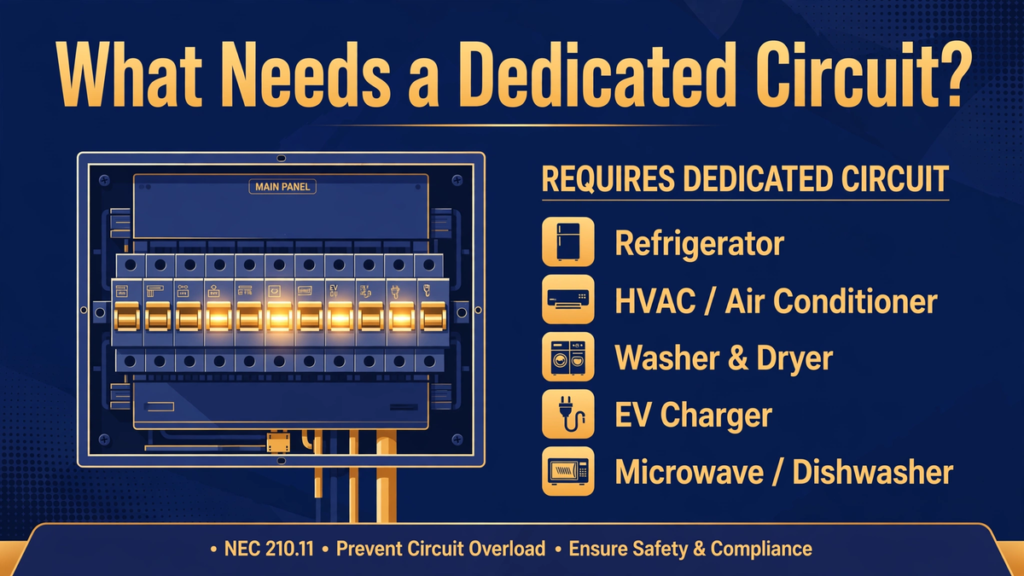
What Needs a Dedicated Circuit? NEC Dedicated Circuit List
Posted inElectrical Field

What Needs a Dedicated Circuit? NEC Dedicated Circuit List

Breakers tripping when the microwave and toaster run together? Lights dimming when the AC kicks on? Classic signs of too many heavy loads sharing one circuit. Some loads need a…
Posted by David wisay November 4, 2026
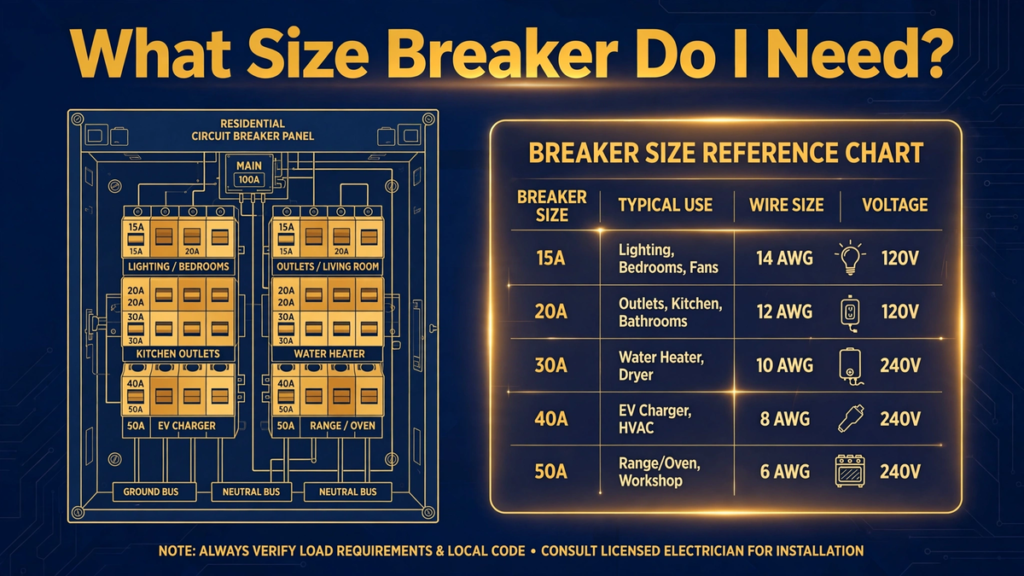
What Size Breaker Do I Need? NEC Breaker Size Chart by Appliance
Posted inElectrical Field

What Size Breaker Do I Need? NEC Breaker Size Chart by Appliance

Choosing the right breaker size is one of the most common — and most misunderstood — questions in residential electrical work. Too small and it trips constantly; too large and…
Posted by David wisay November 4, 2026
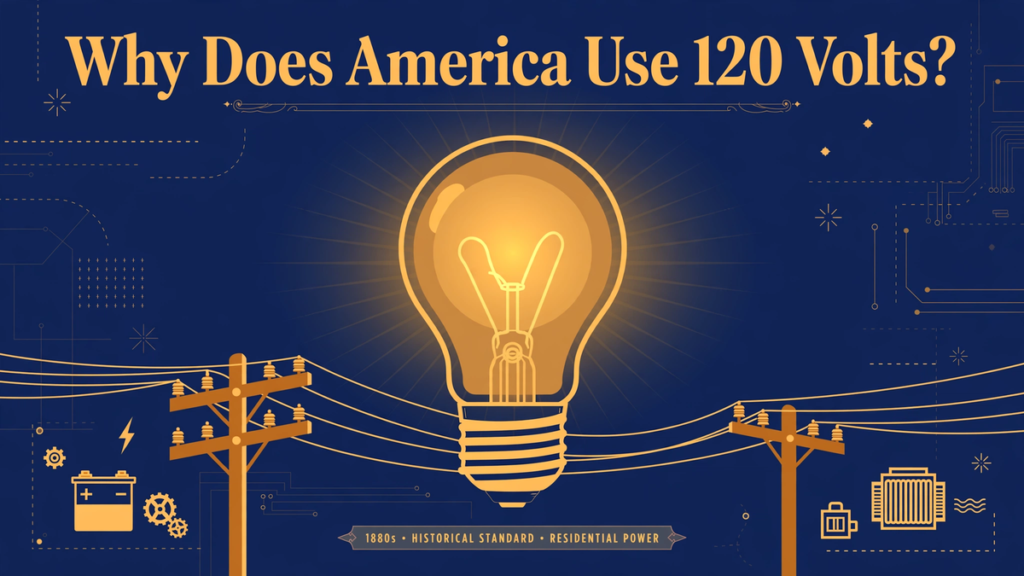
Why Does America Use 120 Volts? The History Explained
Posted inElectrical Field

Why Does America Use 120 Volts? The History Explained

Visitors from Europe often stare at an American outlet and wonder why the United States runs its homes on 120 volts when most of the world uses 220–240. The answer…
Posted by David wisay November 4, 2026

Posts pagination

Previous page 1 … 3 4 5 6 7 … 41 Next page

Recent Posts

  • Potentiometer: How It Works, Types, and Applications
  • Dry Type vs Oil-Filled Transformer: Which One to Choose
  • Transformer Oil Testing: BDV, DGA and What the Results Mean
  • Solar Charge Controller Explained: MPPT vs PWM and How to Choose
  • Transformer Open-Circuit and Short-Circuit Tests Explained

Recent Comments

  1. kashifranaseoexpert@gmail.com on Industrial Earthing: Complete Guide for Electrical Students and Engineers
  2. Najeeb Mado on Industrial Earthing: Complete Guide for Electrical Students and Engineers
Copyright 2026 — Electrowa.com. All rights reserved.
Scroll to Top