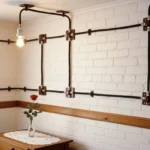

Imagine walking into a traditional home or an old school building where the electrical wires are neatly arranged inside long rectangular channels fixed to the walls. Instead of being hidden behind plaster, the wires are clearly organized, protected by a removable cover, and can be inspected or repaired without breaking the wall. This simple yet effective installation method is known as casing and capping wiring.
For many decades, casing and capping wiring was one of the most widely used electrical wiring systems in residential houses, schools, offices, and small commercial buildings. Before modern concealed conduit wiring became the standard, electricians preferred this method because it was economical, easy to install, and simple to maintain. If a wire became damaged or a new electrical point was required, the protective capping could be removed easily, allowing repairs or modifications without expensive wall cutting or reconstruction.
Although today’s buildings mostly use concealed PVC conduit wiring due to its improved appearance and higher level of protection, casing and capping wiring remains an essential topic in electrical engineering education. Understanding this traditional wiring system helps students and technicians learn the basic principles of electrical installation, cable routing, wire protection, fault finding, and maintenance. It also provides valuable knowledge about how electrical wiring systems have evolved over time and why different installation methods are chosen for different environments.
One of the biggest advantages of casing and capping wiring is its accessibility. Since the wires remain enclosed but visible, electricians can quickly inspect the installation, locate faults, replace damaged conductors, or add new circuits without damaging walls or ceilings. This makes the system particularly useful for temporary installations, renovation projects, workshops, educational laboratories, and locations where frequent maintenance is expected.
Another reason this wiring method remains important is that it demonstrates the relationship between electrical safety, mechanical protection, and ease of maintenance. The casing protects the insulated wires from dust, moisture, accidental contact, and minor mechanical damage, while the capping securely covers the installation and gives it a neat, organized appearance. These protective features help improve safety compared to open wiring systems while keeping installation costs relatively low.
Understanding Casing and Capping Wiring (2026) is valuable for electrical students, apprentice electricians, engineers, technicians, and anyone interested in electrical installations. Learning its construction, working principle, components, advantages, limitations, and practical applications builds a strong foundation for understanding both traditional and modern wiring systems.
In this comprehensive guide, you will learn:
- What casing and capping wiring is.
- The casing and capping wiring working principle explained step by step.
- Different types of casing and capping wiring systems.
- The main components used in this wiring method and their functions.
- Casing and capping wiring advantages and disadvantages.
- Common casing and capping wiring applications in homes, schools, offices, and industries.
- The difference between casing and capping wiring and conduit wiring using an easy comparison table.
- How to select the right casing and capping wiring system for different installations.
- Common installation problems, troubleshooting methods, and maintenance tips.
- Future trends in surface wiring systems and modern electrical installation practices.
Whether you are preparing for electrical examinations, learning basic house wiring, or working as a junior electrician, this guide will explain every concept in simple, practical, and easy-to-understand English, helping you build the knowledge and confidence needed to understand one of the most important traditional wiring methods in electrical engineering.
What Is Casing and Capping Wiring? Complete Guide (2026)
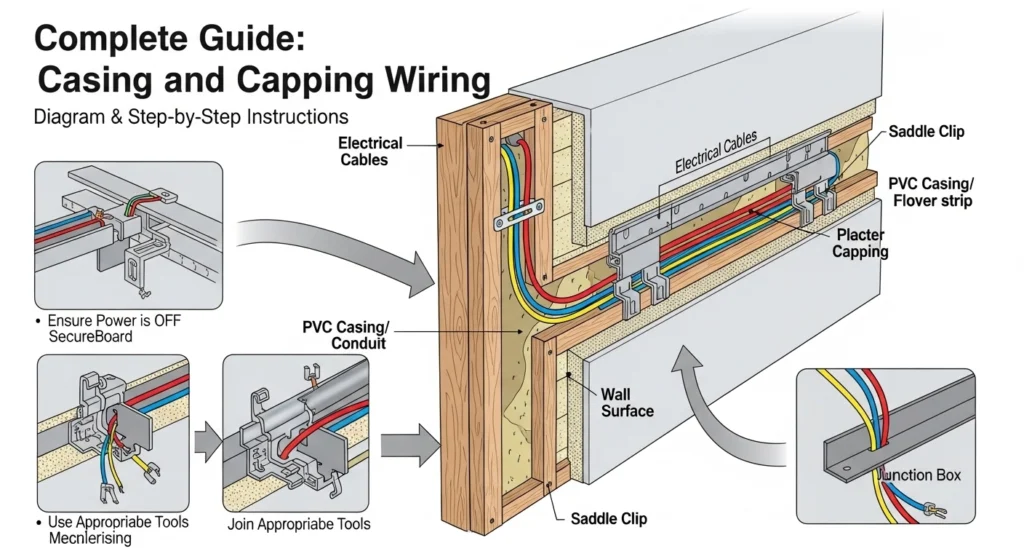
Casing and capping wiring is a traditional surface wiring system in which insulated electrical wires are installed inside a rectangular channel known as a casing and then covered with a removable protective cover called a capping. The casing and capping are commonly made from wood or PVC (Polyvinyl Chloride), depending on the application and installation requirements.
This wiring method is designed to protect electrical conductors from dust, moisture, accidental contact, and minor mechanical damage while keeping the wiring easily accessible for inspection, maintenance, and repairs. Unlike concealed wiring, where cables are hidden inside walls or ceilings, casing and capping wiring remains visible on the surface, making it much easier to identify and fix electrical faults.
Although modern residential and commercial buildings generally use concealed conduit wiring because of its cleaner appearance and higher level of protection, casing and capping wiring is still studied extensively in electrical engineering. It is also used in temporary installations, workshops, educational laboratories, small commercial buildings, and renovation projects where easy maintenance and low installation costs are important.
How Does Casing and Capping Wiring Work?
The working principle of casing and capping wiring is simple yet effective.
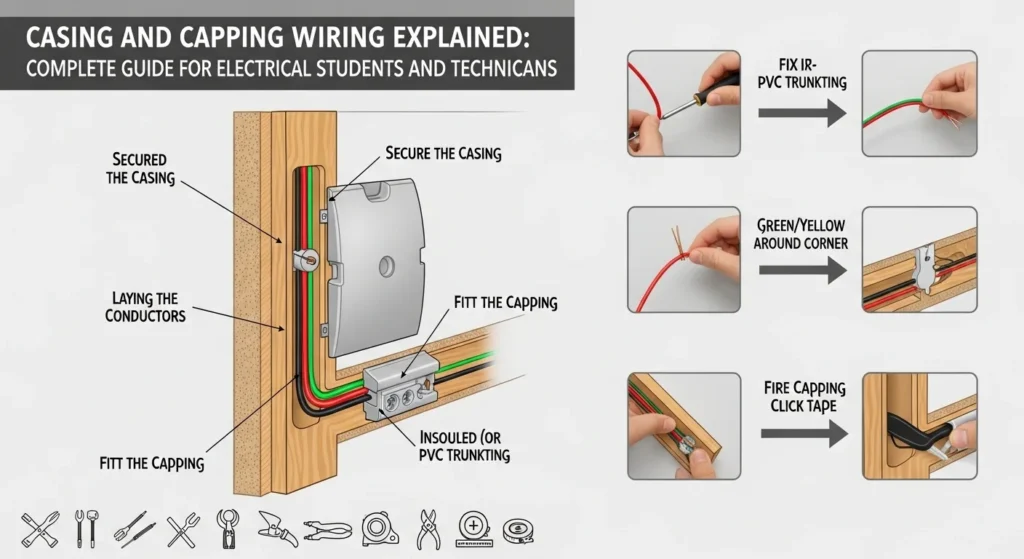
First, the casing is securely fixed to the wall or ceiling using screws, nails, or suitable fasteners. The casing contains one or more grooves or channels that separate individual wires, preventing them from touching each other and reducing the risk of electrical faults.
After the casing is installed, insulated electrical wires are carefully laid inside these channels according to the wiring diagram. The wires may carry electricity for lighting circuits, power outlets, switches, fans, or other electrical appliances.
Once all the wires have been positioned correctly, the capping is placed over the casing and firmly secured. The capping completely covers the wires, protecting them from dust, moisture, accidental impacts, and physical damage while maintaining a neat and organized appearance.
Whenever maintenance or repairs are required, the capping can be removed easily without damaging the wall or ceiling. Electricians can inspect the wiring, replace damaged conductors, tighten loose connections, or add new circuits quickly and economically.
Simple Definition
Casing and capping wiring is a surface electrical wiring system in which insulated wires are installed inside wooden or PVC channels called casings and protected with removable covers known as cappings.
Simple Explanation
In simple words, casing and capping wiring works like a protective box for electrical wires.
Imagine placing several wires inside a long rectangular container and then closing it with a lid. The container keeps the wires organized, while the lid protects them from dust, accidental contact, moisture, and minor physical damage. If a repair is needed, the lid can simply be removed without breaking the wall.
This makes the system easy to install, inspect, repair, and upgrade.
Main Features of Casing and Capping Wiring
Some important features of this wiring system include:
- Surface-mounted electrical wiring system.
- Uses insulated electrical conductors.
- Available in wooden and PVC materials.
- Easy installation and maintenance.
- Wires remain visible for inspection.
- Better protection than open wiring systems.
- Low installation cost.
- Simple fault detection and repair.
- Suitable for light and medium electrical loads.
- Commonly used in educational and temporary installations.
Practical Example
Suppose a small office requires new electrical wiring for lights, ceiling fans, and power sockets without breaking the existing walls. Instead of installing concealed conduit wiring, the electrician chooses PVC casing and capping wiring.
The installation process includes:
- Fixing the PVC casing along the walls.
- Routing insulated wires inside separate channels.
- Connecting switches, sockets, and lighting points.
- Closing the casing with the PVC capping.
- Testing the complete electrical circuit.
A few months later, if an additional socket is required or a wire becomes damaged, the electrician simply removes the capping, modifies the wiring, and reinstalls the cover. No wall cutting, plastering, or repainting is necessary, making repairs fast, economical, and convenient.
Where Is Casing and Capping Wiring Used?
Although its use has decreased due to modern concealed wiring systems, casing and capping wiring is still found in several applications, including:
- Older residential houses.
- Small offices.
- Schools and colleges.
- Electrical training laboratories.
- Workshops.
- Temporary buildings.
- Shops and retail stores.
- Farmhouses.
- Small industrial units.
- Renovation and repair projects.
Why Is Casing and Capping Wiring Still Important?
Even though concealed wiring has become the standard in modern construction, casing and capping wiring remains an important topic for electrical students and technicians. It helps learners understand basic wiring methods, cable routing, electrical safety, and circuit maintenance.
Its simple construction, low installation cost, easy fault detection, and straightforward maintenance make it a practical solution for applications where appearance is less important than accessibility. For this reason, casing and capping wiring continues to hold educational and practical value in the field of electrical engineering.
3. Casing and Capping Wiring Working Principle
The casing and capping wiring working principle is based on safely carrying electrical current through insulated conductors that are enclosed inside protective channels. This wiring system not only protects the wires from dust, moisture, and minor mechanical damage but also keeps them neatly arranged and properly separated. Before the development of modern conduit systems, casing and capping wiring was widely used in homes, offices, schools, and commercial buildings because of its simple installation, low cost, and ease of maintenance.
In this system, a wooden or PVC casing containing grooves is fixed to the wall or ceiling. The insulated conductors are then placed inside these grooves according to the circuit requirements. Finally, a protective cover known as the capping is fitted over the casing to completely enclose the wires. Once connected to the power supply, electricity flows safely through the conductors to operate switches, sockets, lights, fans, and other electrical appliances.
Step-by-Step Working Principle of Casing and Capping Wiring (2026)
The working principle of casing and capping wiring is based on providing a safe, organized, and protected pathway for insulated electrical conductors while keeping them easily accessible for inspection, maintenance, and future modifications. Unlike concealed wiring systems, where cables are hidden inside walls, casing and capping wiring is installed on the surface of walls or ceilings, making it simple to install, inspect, and repair.
The complete installation process is carried out in several stages, with each stage contributing to the overall safety, reliability, and durability of the electrical system.
Step 1: Planning the Wiring Layout
Before any installation begins, the electrician carefully plans the wiring route according to the building layout and electrical load requirements.
The locations of switches, sockets, light fixtures, distribution boards, ceiling fans, and other electrical appliances are identified. Based on this layout, the shortest and safest route for the wiring is selected to reduce unnecessary cable length and voltage drop.
During this stage, the installer also calculates the number of wires, their sizes, and the number of casing channels required for the installation.
Purpose of Wiring Planning
- Determines the safest wiring route.
- Reduces unnecessary cable length.
- Ensures proper load distribution.
- Prevents overcrowding of conductors.
- Makes future maintenance easier.
- Improves the overall appearance of the installation.
Proper planning minimizes installation errors and ensures compliance with electrical safety standards.
Step 2: Installation of the Casing
After planning, the casing is installed along the selected wiring path. The casing is a rectangular channel manufactured from either seasoned wood or PVC (Polyvinyl Chloride). It contains one or more grooves or compartments designed to hold electrical conductors separately.
The casing is firmly fixed to the wall or ceiling using screws, nails, wall plugs, or suitable fasteners. During installation, electricians ensure that the casing is perfectly straight and securely mounted to prevent movement or vibration after wiring is completed.
In modern installations, PVC casing is preferred because it is lightweight, moisture-resistant, corrosion-free, and easier to maintain than traditional wooden casing.
Functions of the Casing
- Provides a secure pathway for electrical wires.
- Holds conductors in an organized manner.
- Protects wires from dust and accidental damage.
- Prevents wires from hanging loosely.
- Makes future inspections easier.
- Improves the neatness of the installation.
- Supports the protective capping.
A properly installed casing forms the backbone of the entire wiring system and ensures that the conductors remain protected throughout their service life.
Step 3: Placement of Electrical Wires
Once the casing has been securely installed, insulated electrical wires are carefully placed inside the individual grooves or compartments.
Each conductor is selected according to the electrical load it will carry. Electricians route the wires carefully to avoid unnecessary bending, twisting, stretching, or damage to the insulation.
Extra wire length is usually left near switchboards, socket outlets, ceiling roses, and junction boxes. This additional length makes future repairs, testing, or modifications much easier.
Throughout the installation, great care is taken to ensure that the insulation remains intact, as damaged insulation can lead to leakage currents or electrical faults.
Importance of Proper Wire Placement
- Prevents insulation damage.
- Ensures safe current flow.
- Reduces voltage losses.
- Minimizes the possibility of short circuits.
- Simplifies future repairs.
- Improves overall installation quality.
- Extends the life of the wiring system.
Correct wire placement is essential for maintaining electrical safety and long-term reliability.
Step 4: Separation of Conductors
One of the major advantages of casing and capping wiring is the separation of different electrical conductors inside dedicated grooves or partitions.
Instead of placing all wires together, the casing keeps each conductor organized and isolated. This arrangement improves electrical safety and makes fault identification much easier.
The conductors commonly separated include:
- Phase (Live) Wire – Delivers electrical power from the supply to electrical loads.
- Neutral Wire – Provides the return path for current, completing the electrical circuit.
- Earth (Ground) Wire – Protects users from electric shock by safely carrying fault current to the ground.
In larger installations, additional control or communication wires may also be routed through separate compartments.
Benefits of Wire Separation
- Prevents accidental contact between conductors.
- Reduces the chances of short circuits.
- Improves electrical safety.
- Makes conductor identification easier.
- Simplifies troubleshooting.
- Reduces electromagnetic interference between circuits.
- Keeps the installation neat and organized.
This systematic arrangement was one of the key reasons casing and capping wiring became popular in residential and commercial installations.
Step 5: Installation of the Capping
After all conductors have been positioned correctly and tested, the capping is installed over the casing.
The capping is a removable protective cover made from the same material as the casing—either wood or PVC. It fits securely over the channel, completely enclosing the electrical conductors while still allowing easy access whenever maintenance is required.
Unlike concealed wiring, where repairs often require breaking walls, casing and capping wiring allows electricians to remove the cover quickly and inspect or repair the wiring without damaging the building structure.
Functions of the Capping
- Covers exposed electrical wires.
- Protects conductors from dust and dirt.
- Prevents accidental human contact.
- Shields wires from minor mechanical damage.
- Improves the appearance of the installation.
- Allows easy removal for inspection and maintenance.
- Increases the overall safety of the wiring system.
The capping acts as the final protective barrier, ensuring that the electrical conductors remain safe while maintaining a clean and professional appearance.
Step 6: Electrical Testing and Commissioning
After completing the installation, electricians perform a series of electrical tests before energizing the circuit.
These tests verify that the wiring has been installed correctly and safely.
Typical tests include:
- Continuity test.
- Insulation resistance test.
- Polarity test.
- Earth continuity test.
- Voltage measurement.
- Functional testing of switches and sockets.
If all test results meet the required electrical standards, the system is connected to the power supply and placed into normal operation.
Importance of Final Testing
- Confirms safe installation.
- Detects hidden wiring faults.
- Prevents electrical accidents.
- Ensures proper circuit operation.
- Verifies compliance with electrical standards.
- Increases system reliability and user safety.
Proper testing is the final and most important step, ensuring that the casing and capping wiring system operates efficiently, safely, and reliably for many years.
Power Distribution
After completing the installation and making all necessary connections, the wiring system is connected to the main electrical supply. Electricity then flows through the insulated conductors enclosed within the casing and capping arrangement.
The electrical energy is distributed to various points in the building, including:
- Lighting fixtures.
- Switches.
- Socket outlets.
- Ceiling fans.
- Power outlets.
- Small electrical appliances.
Each component receives electricity through the designated conductors while the protective arrangement ensures safe operation.
How Power Flows
- Electricity enters from the main supply.
- Current travels through the phase conductor.
- Switches control the flow of electricity to different loads.
- Appliances utilize the electrical energy.
- The neutral conductor completes the circuit.
- The earth wire provides protection during fault conditions.
This organized distribution ensures that electrical devices operate efficiently and safely.
Working Principle Summary
The working principle of casing and capping wiring is simple yet effective. The casing provides a structured pathway for insulated conductors, while partitions keep different wires separated to improve safety. The capping protects the enclosed conductors from external influences and accidental contact. Once connected to the power source, electricity flows through the protected wires to various electrical points throughout the building.
Because of its ease of installation, accessibility, and economical nature, casing and capping wiring played an important role in traditional electrical systems. Although modern concealed wiring methods are more common today, understanding this wiring system remains valuable for students, electricians, and anyone studying the fundamentals of electrical installations.
Simple Analogy
Think of casing and capping wiring like placing cables inside a protective cable tray and closing it with a lid. The wires stay organized and protected from damage.
Key Safety Feature
The casing keeps wires separated, reducing the risk of:
- Short circuits
- Mechanical damage
- Wire entanglement
4. Types / Classification of Casing and Capping Wiring
There are mainly two types of casing and capping wiring based on the material used.
Wooden Casing and Capping Wiring (2026): Construction, Features, Advantages & Limitations
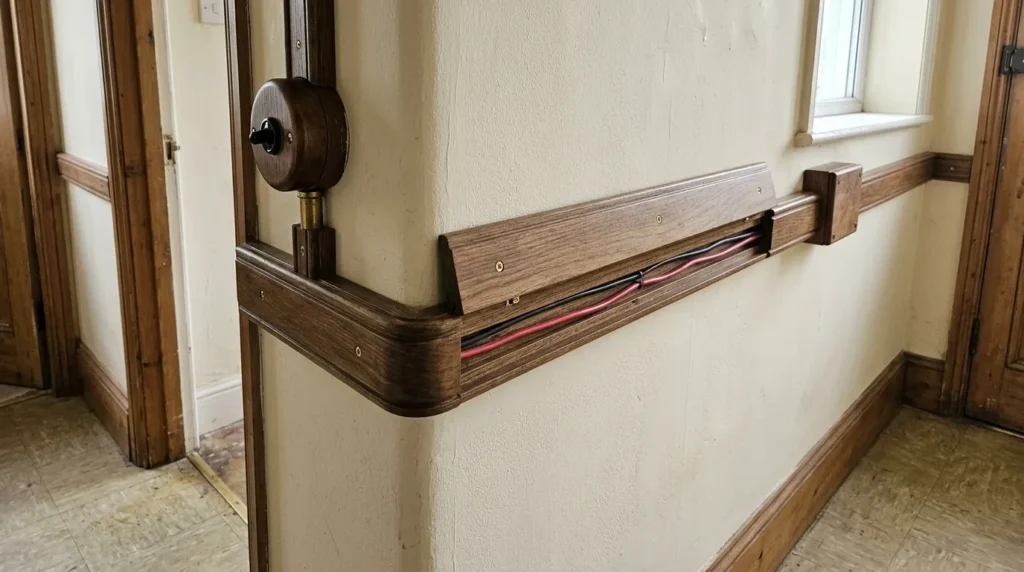
Wooden casing and capping wiring is one of the oldest and most widely recognized surface wiring systems used in electrical installations. Before the introduction of PVC conduits and concealed wiring methods, this system was commonly installed in residential houses, schools, offices, and small commercial buildings because it was simple to install, economical, and easy to maintain.
In this wiring method, insulated electrical conductors are placed inside a rectangular wooden casing that is securely fixed to the wall or ceiling. The casing contains one or more longitudinal grooves that keep the electrical wires separated and properly organized. After all the conductors have been arranged according to the wiring layout, a removable wooden cover, known as the capping, is placed over the casing and fixed firmly in position. This capping completely encloses the wires, protecting them from dust, accidental contact, minor mechanical damage, and environmental exposure while maintaining a clean and organized appearance.
Traditionally, the casing and capping are manufactured from well-seasoned hardwood, such as teak or other durable timber. Seasoning removes excess moisture from the wood, reducing the chances of warping, cracking, or shrinking over time. The quality of the wood plays an important role in the durability and lifespan of the wiring system.
The electrical conductors used in wooden casing and capping wiring are usually PVC-insulated or, in older installations, VIR (Vulcanized Indian Rubber) insulated wires. Each conductor is installed in its own groove to prevent direct contact between phase, neutral, and earth wires. This arrangement improves electrical safety and makes it easier to identify individual conductors during maintenance or repairs.
One of the greatest advantages of this wiring method is its accessibility. Unlike concealed wiring systems, electricians can remove the wooden capping whenever inspection, troubleshooting, or modifications are required. Faults such as loose connections, damaged insulation, or broken conductors can be repaired quickly without breaking walls or ceilings, reducing both maintenance time and repair costs.
Although wooden casing and capping wiring has largely been replaced by modern PVC conduit systems, it is still studied in electrical engineering because it demonstrates the basic principles of surface wiring, conductor protection, cable management, and electrical safety. It is occasionally used in heritage buildings, renovation projects, temporary installations, and locations where traditional wiring methods are preferred.
Construction of Wooden Casing and Capping Wiring
The system consists of two main wooden components:
- Wooden Casing: A rectangular wooden channel fixed to the wall or ceiling that contains grooves for electrical conductors.
- Wooden Capping: A removable wooden cover placed over the casing to protect and enclose the wires.
The installation process includes:
- Marking the wiring route.
- Fixing the wooden casing using screws.
- Placing insulated wires inside separate grooves.
- Checking wire alignment and electrical connections.
- Installing the wooden capping securely.
- Testing the completed electrical circuit.
This method creates a neat, organized, and easily maintainable surface wiring installation.
Features of Wooden Casing and Capping Wiring
Wooden casing and capping wiring has several characteristics that distinguish it from other wiring systems.
Main Features
- Manufactured from high-quality seasoned hardwood.
- Surface-mounted wiring system.
- Rectangular wooden channels with multiple grooves.
- Removable wooden capping for easy access.
- Supports both PVC and VIR insulated wires.
- Easy inspection and maintenance.
- Neat and organized wire arrangement.
- Good mechanical protection for conductors.
- Suitable for light- and medium-load electrical installations.
- Long service life when properly maintained.
These features made wooden casing and capping one of the most popular wiring systems before modern conduit installations became common.
Advantages of Wooden Casing and Capping Wiring
Despite being an older installation method, wooden casing and capping wiring offers several practical benefits.
Easy Installation
The system can be installed quickly using simple tools and basic electrical skills, making it suitable for small residential projects.
Simple Maintenance
The removable wooden capping allows electricians to inspect, repair, or replace damaged wires without breaking walls or ceilings.
Neat Appearance
The casing keeps wires properly aligned and organized, producing a cleaner appearance than open wiring systems.
Good Mechanical Protection
The wooden casing protects conductors from accidental impact, dust, and minor physical damage.
Easy Fault Detection
Since the wiring remains accessible, electrical faults such as loose connections or damaged insulation can be identified and repaired quickly.
Low Initial Installation Cost
For small installations, the overall installation cost is relatively economical compared to some modern wiring methods.
Easy Expansion
Additional electrical circuits can be installed by simply removing the capping and adding new conductors inside the casing.
Limitations of Wooden Casing and Capping Wiring
Although the system has many advantages, it also has several limitations that have reduced its use in modern electrical installations.
Affected by Moisture
Wood absorbs moisture over time, which may cause swelling, warping, or deterioration, especially in humid environments.
Risk of Termite and Insect Damage
Wood is vulnerable to termites, borers, and other insects unless treated with protective chemicals.
Fire Hazard
Unlike PVC conduit systems, wood is combustible and may increase fire risk if electrical faults occur.
Higher Maintenance Requirements
Regular inspection and maintenance are necessary to protect the wood from moisture, insects, and physical deterioration.
Less Attractive Than Concealed Wiring
Since the wiring remains visible on the wall surface, it does not provide the clean appearance of concealed conduit installations.
Not Suitable for Heavy Electrical Loads
This wiring method is generally recommended only for light and medium electrical installations and is not ideal for modern high-load commercial or industrial applications.
Gradually Becoming Obsolete
Most new buildings now use PVC conduit or concealed wiring systems because they offer better safety, durability, moisture resistance, and fire protection.
Typical Applications of Wooden Casing and Capping Wiring
Although its use has declined, wooden casing and capping wiring is still found in several situations, including:
- Old residential houses.
- Heritage and historical buildings.
- Schools and educational laboratories.
- Temporary electrical installations.
- Renovation and restoration projects.
- Small workshops.
- Rural buildings.
- Electrical training centers.
Wooden casing and capping wiring remains an important part of electrical engineering history and education. Its simple construction, organized wire arrangement, easy maintenance, and low installation cost made it one of the most popular surface wiring systems for many years. While modern PVC conduit and concealed wiring have largely replaced it because of improved safety, fire resistance, and durability, wooden casing and capping wiring continues to provide valuable knowledge for electrical students, technicians, and engineers learning the fundamentals of electrical installation and maintenance.
PVC Casing and Capping Wiring (2026): Construction, Features, Advantages & Applications
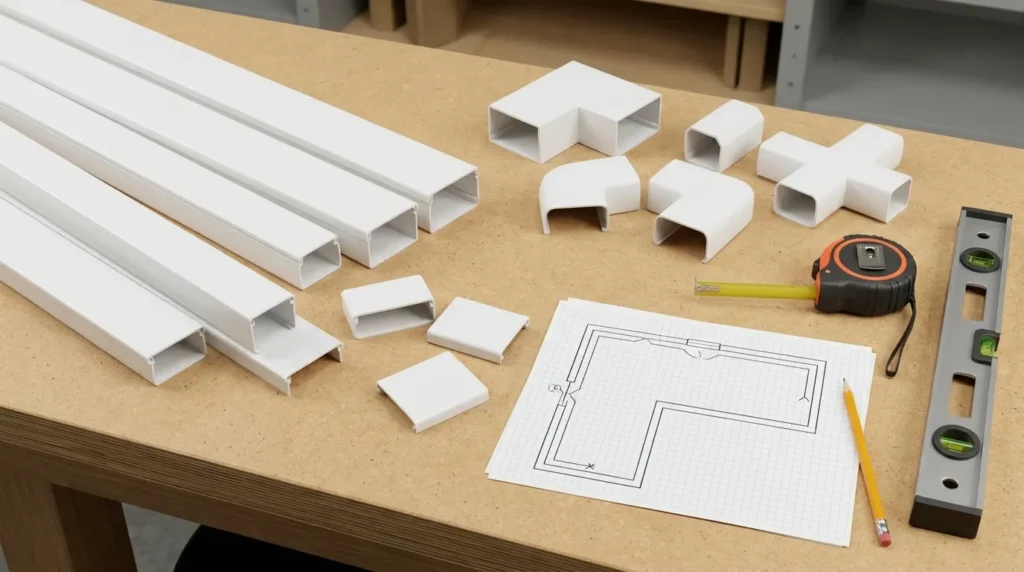
PVC casing and capping wiring is one of the most popular surface wiring systems used in modern electrical installations. It is an improved version of the traditional wooden casing and capping wiring system, offering better durability, higher safety, and lower maintenance. In this method, insulated electrical wires are installed inside a PVC (Polyvinyl Chloride) casing, which is a rigid rectangular plastic channel fixed to walls or ceilings. After the wires are properly arranged, a PVC capping (removable cover) is securely fitted over the casing to completely enclose and protect the conductors.
PVC is a strong, lightweight, moisture-resistant, and non-corrosive material, making it ideal for electrical wiring applications. Unlike wooden casing, PVC does not absorb moisture, rot, warp, or become damaged by termites and insects. It also provides excellent electrical insulation, reducing the risk of electric shock and improving overall installation safety.
The working principle of PVC casing and capping wiring is simple. The PVC casing is first fixed to the wall or ceiling using screws and wall plugs. Insulated conductors are then placed neatly inside the grooves of the casing according to the electrical wiring diagram. Once all electrical connections are completed and tested, the PVC capping is snapped or fixed onto the casing, completely covering the wires. This protective cover shields the conductors from dust, moisture, accidental contact, and minor mechanical damage while maintaining a clean and professional appearance.
One of the biggest advantages of this system is its accessibility. If a fault occurs or additional wiring is required, the PVC capping can be removed easily without breaking walls or damaging the building. Electricians can quickly inspect the wiring, replace damaged conductors, tighten loose connections, or add new circuits, making maintenance fast, economical, and convenient.
Because of its durability, affordability, and ease of installation, PVC casing and capping wiring is widely used in homes, offices, schools, hospitals, workshops, commercial buildings, retail stores, laboratories, and temporary installations. It is especially suitable for renovation projects where concealed wiring is not practical or where future modifications are expected.
Although concealed conduit wiring has become the preferred choice in many modern buildings, PVC casing and capping wiring remains an excellent solution for surface-mounted electrical installations that require easy maintenance, flexibility, and reliable protection.
Features of PVC Casing and Capping Wiring
PVC casing and capping wiring offers several important features that make it superior to traditional wooden wiring systems.
Main Features
- Manufactured from high-quality PVC (Polyvinyl Chloride).
- Lightweight and easy to handle.
- Strong and durable construction.
- Excellent electrical insulation.
- Moisture-resistant and waterproof.
- Corrosion and rust resistant.
- Termite and insect resistant.
- Smooth, attractive surface finish.
- Easy to cut, install, and modify.
- Suitable for both residential and commercial applications.
- Available in various sizes and colors.
- Long service life with minimal maintenance.
These features make PVC casing and capping one of the most practical surface wiring systems used today.
Advantages of PVC Casing and Capping Wiring
PVC casing and capping wiring provides numerous benefits compared to traditional wooden casing systems.
Long Service Life
PVC is highly durable and resistant to environmental conditions, allowing the wiring system to perform reliably for many years.
Excellent Moisture Resistance
Unlike wood, PVC does not absorb water, making it ideal for humid environments where wooden casing may deteriorate.
Better Fire Safety
Modern PVC materials are flame-retardant and provide better fire resistance than wooden casing, reducing the risk of fire spreading during electrical faults.
Low Maintenance
PVC does not require painting, polishing, or chemical treatment. Occasional cleaning is generally sufficient to maintain its appearance.
Easy Installation
The lightweight construction allows electricians to install the system quickly using simple tools, reducing installation time and labor costs.
Easy Inspection and Repairs
The removable capping allows damaged wires or faulty connections to be repaired or replaced without breaking walls or ceilings.
Good Mechanical Protection
The casing protects electrical conductors from dust, dirt, accidental impacts, and minor physical damage.
Excellent Electrical Insulation
PVC is a non-conductive material that improves user safety by reducing the risk of electrical leakage and accidental electric shock.
Neat and Professional Appearance
The smooth surface and clean finish provide a well-organized installation suitable for homes, offices, and commercial buildings.
Economical Solution
PVC casing and capping wiring offers a cost-effective balance between safety, durability, and maintenance, making it suitable for many electrical projects.
Limitations of PVC Casing and Capping Wiring
Although PVC casing and capping wiring offers many advantages, it also has a few limitations.
- Less aesthetically pleasing than concealed wiring.
- Visible wiring may not suit luxury interiors.
- Not recommended for very heavy industrial loads.
- Can become brittle after many years of exposure to extreme sunlight.
- May crack if subjected to severe mechanical impact.
- Surface-mounted installation is easier to tamper with than concealed wiring.
Despite these limitations, it remains one of the most reliable and economical surface wiring methods.
Applications of PVC Casing and Capping Wiring
PVC casing and capping wiring is commonly used in a wide variety of electrical installations, including:
- Residential houses.
- Apartments and flats.
- Offices.
- Schools and colleges.
- Hospitals and clinics.
- Retail shops.
- Small commercial buildings.
- Workshops.
- Laboratories.
- Warehouses.
- Temporary construction sites.
- Renovation and remodeling projects.
Its versatility, safety, and ease of maintenance make it suitable for both new installations and upgrades to existing electrical systems.
Why PVC Casing and Capping Wiring Is Better Than Wooden Casing
PVC casing and capping wiring has largely replaced wooden casing because it offers several significant improvements. PVC is lighter, stronger, moisture-resistant, termite-proof, corrosion-resistant, and requires very little maintenance. It also provides better electrical insulation and improved fire resistance, making it a safer option for modern electrical installations.
For these reasons, PVC casing and capping wiring is considered more reliable, durable, and economical than wooden casing and capping wiring, making it the preferred choice for most surface wiring applications today.
5. Main Components of Casing and Capping Wiring
Understanding the components helps electricians install and maintain the system properly.
What Is Casing in Electrical Wiring? (2026 Complete Guide)
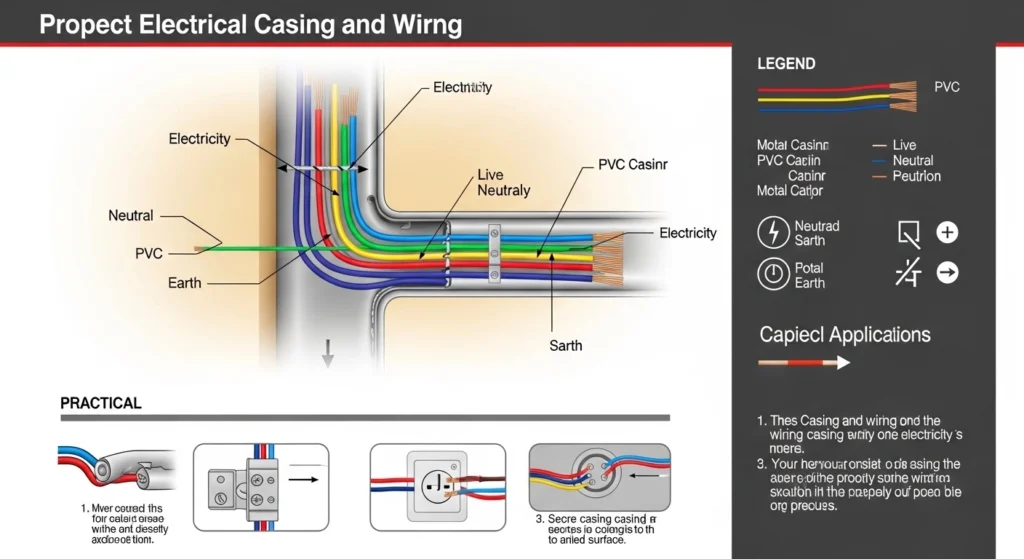
Casing in electrical wiring is a protective rectangular channel or enclosure used to safely hold, support, and guide insulated electrical wires along walls or ceilings. It is one of the two main components of the casing and capping wiring system, with the other component being the capping, which acts as a removable protective cover. The casing forms the base structure of the wiring system and keeps electrical conductors properly arranged while protecting them from external damage.
Casing is commonly manufactured from seasoned wood or PVC (Polyvinyl Chloride). Traditional electrical installations used wooden casing, while modern installations generally prefer PVC because it is lightweight, moisture-resistant, fire-retardant, and requires less maintenance. The casing is designed with one or more longitudinal grooves or channels that allow different conductors—such as the phase, neutral, and earth wires—to be placed separately. This organized arrangement improves electrical safety, simplifies installation, and reduces the possibility of wires crossing or touching each other.
The primary purpose of casing is to provide a secure pathway for electrical conductors while protecting them from dust, moisture, accidental contact, insects, and minor mechanical damage. By enclosing the wires inside a rigid channel, the casing reduces the risk of insulation damage, short circuits, and electrical faults. Once all the wires have been installed correctly inside the casing, the capping is fitted on top, completely covering the conductors and providing an additional layer of protection.
The installation process is straightforward. The casing is first fixed securely to the wall or ceiling using screws, wall plugs, or nails, depending on the surface. Electricians then place the insulated conductors inside the grooves according to the electrical wiring diagram. After checking the wire arrangement and completing all electrical connections, the capping is installed over the casing, creating a neat, safe, and organized wiring system.
One of the biggest advantages of casing is its easy accessibility. Unlike concealed wiring, where wires are hidden inside walls, casing allows electricians to remove the capping whenever inspection, troubleshooting, repairs, or modifications are required. Faulty wires can be replaced quickly without breaking walls, making maintenance faster, easier, and more economical.
Although casing is highly effective for surface wiring installations, the material used affects its durability. Wooden casing may absorb moisture, become damaged by termites, or present a higher fire risk if not properly maintained. PVC casing, on the other hand, offers better resistance to moisture, insects, corrosion, and weathering, making it the preferred choice for most modern electrical installations.
Overall, casing provides a safe, economical, organized, and reliable solution for protecting electrical conductors while allowing convenient maintenance and future expansion of electrical circuits.
Functions of Casing in Electrical Wiring
The casing performs several important functions that improve the safety and efficiency of an electrical installation.
Main Functions
- Supports and securely holds insulated electrical wires.
- Provides a protected pathway for conductors.
- Keeps phase, neutral, and earth wires properly organized.
- Protects wires from dust, moisture, and dirt.
- Prevents accidental contact with live conductors.
- Reduces the risk of insulation damage and short circuits.
- Improves the overall appearance of surface wiring.
- Makes inspection, troubleshooting, and repairs easier.
- Allows future wiring modifications without damaging walls.
- Increases the reliability and lifespan of the electrical installation.
Key Features of Electrical Casing
Modern electrical casing includes several design features that improve safety and convenience.
- Manufactured from wood or high-quality PVC.
- Rectangular shape with multiple internal grooves.
- Lightweight yet mechanically strong.
- Easy to install using standard tools.
- Compatible with various insulated electrical wires.
- Designed for surface-mounted wiring systems.
- Removable capping allows quick maintenance.
- Available in different sizes for various wiring applications.
The grooves inside the casing keep different conductors separated, ensuring a neat wire arrangement, reducing the risk of electrical faults, and making wire identification much easier during installation and maintenance.
What Is Capping in Electrical Wiring? (2026 Complete Guide)

Capping in electrical wiring is the protective removable cover that is fitted over the casing to completely enclose and safeguard insulated electrical wires. It is one of the two main components of the casing and capping wiring system, with the casing serving as the base channel and the capping acting as the upper protective layer. Together, they provide a safe, organized, and durable surface wiring installation.
Capping is commonly manufactured from seasoned wood or PVC (Polyvinyl Chloride), depending on the type of casing being used. In traditional installations, wooden capping is paired with wooden casing, while modern electrical systems generally use PVC capping because it is lightweight, moisture-resistant, corrosion-resistant, and requires very little maintenance. The capping is designed to fit securely over the casing, creating a fully enclosed pathway that protects the electrical conductors from external influences.
The primary purpose of capping is to cover the open side of the casing after all electrical wires have been installed correctly. Once fitted, it protects the conductors from dust, dirt, moisture, insects, accidental contact, and minor mechanical damage. By enclosing the wires, capping also reduces the risk of insulation damage, electrical leakage, short circuits, and accidental electric shock, making the entire wiring system safer and more reliable.
One of the greatest advantages of capping is that it is removable. Unlike concealed wiring systems, where electrical cables are hidden inside walls, the capping can be removed easily whenever inspection, troubleshooting, repairs, or modifications are required. Electricians can quickly access the conductors to replace damaged wires, tighten loose connections, or install additional circuits without breaking walls or causing structural damage. This significantly reduces maintenance time, labor, and repair costs.
Besides providing protection, capping also improves the overall appearance of the wiring installation. It hides the electrical conductors inside the casing, giving the surface wiring a clean, professional, and organized look. This makes casing and capping wiring suitable for locations where wiring must remain visible while still maintaining an attractive finish.
Although capping provides excellent protection, its durability depends on the material used. Wooden capping can absorb moisture, become damaged by termites, and presents a higher fire risk if not properly maintained. PVC capping, however, offers better resistance to moisture, insects, corrosion, and environmental conditions, making it the preferred choice for most modern surface wiring installations.
Overall, capping is an essential component of the casing and capping wiring system because it enhances electrical safety, wire protection, ease of maintenance, and installation appearance, ensuring reliable performance throughout the life of the electrical system.
Functions of Capping in Electrical Wiring
Capping performs several important functions that improve both the safety and efficiency of an electrical installation.
Main Functions
- Covers and completely encloses electrical wires inside the casing.
- Protects conductors from dust, dirt, and moisture.
- Prevents accidental contact with live electrical wires.
- Reduces the risk of short circuits and electrical faults.
- Protects wire insulation from minor mechanical damage.
- Improves the overall safety of the electrical installation.
- Keeps the wiring system neat, clean, and organized.
- Allows easy removal for inspection, repairs, and future modifications.
- Increases the durability and service life of electrical wiring.
- Enhances the professional appearance of surface-mounted wiring.
Key Features of Electrical Capping
Modern electrical capping includes several design features that make it reliable and easy to use.
- Manufactured from wood or high-quality PVC.
- Lightweight and easy to install.
- Precisely fits over the casing for secure protection.
- Strong enough to withstand normal mechanical impacts.
- Excellent electrical insulation properties.
- Easy to remove and reinstall during maintenance.
- Available in various sizes to match different casing dimensions.
- Provides a smooth, clean, and attractive finish to surface wiring installations.
The removable design of the capping is one of its greatest advantages, allowing electricians to access electrical conductors quickly for inspection, troubleshooting, repairs, or upgrades without damaging walls or ceilings. This feature makes casing and capping wiring one of the easiest surface wiring systems to maintain while ensuring reliable protection and long-term electrical safety.
3.Insulated Electrical Wires in Electrical Wiring: Complete Guide (2026)
Insulated electrical wires are one of the most important components of a wiring system. Their primary function is to carry electrical current safely from the power source to various electrical devices such as switches, sockets, lights, fans, and household appliances. These wires consist of a conductive core covered with an insulating material that prevents accidental contact and reduces the risk of electric shock, short circuits, and fire hazards. Properly insulated wires ensure reliable power distribution and improve the overall safety and efficiency of an electrical installation.
Common Types of Insulated Electrical Wires
- PVC Insulated Wires: These are the most widely used wires in residential and commercial installations because they are durable, moisture-resistant, flexible, and economical.
- Copper Conductors: Copper wires offer excellent electrical conductivity, high strength, and long service life, making them ideal for efficient power transmission.
Function
The main function of insulated electrical wires is to conduct electricity safely and efficiently from one point to another while protecting users and equipment from electrical hazards. The insulation covering prevents leakage of current, avoids accidental contact between conductors, and ensures the smooth operation of electrical devices. Proper selection and installation of insulated wires play a vital role in maintaining a safe and dependable electrical system.4. Screws and Fasteners
Screws and fasteners are important components used in casing and capping wiring systems. Their main purpose is to securely fix the casing channels to walls, ceilings, and other mounting surfaces. Although they are small in size, they provide the mechanical strength needed to support the entire wiring installation. Proper fastening ensures that the wiring remains safe, organized, and protected from movement or damage throughout its service life.
What Are Screws and Fasteners? Complete Guide (2026)
Screws are threaded metal devices used to attach the casing firmly to a surface, while fasteners refer to a wider range of fixing components such as wall plugs, anchors, clips, nuts, and bolts. These components work together to provide stability to the wiring system. They prevent the casing from becoming loose and help maintain the proper alignment of the installation. Without reliable fasteners, the safety and durability of the wiring system can be compromised.
1. Wood Screws
Wood screws are commonly used when casing and capping wiring is installed on wooden walls, ceilings, or partitions. They have sharp threads that penetrate the wood easily and provide a strong grip. These screws are available in different lengths and diameters to suit various installation requirements. Their simple design makes them easy to install and remove whenever maintenance work is required.
Features
- Provide a strong hold in wooden surfaces.
- Easy to install using basic tools.
- Available in various sizes and lengths.
- Offer good durability for indoor installations.
- Can be removed and reused when necessary.
2. Machine Screws
Machine screws are generally used for fastening electrical accessories and metal components. Unlike wood screws, they usually work together with nuts or threaded holes. These screws provide a secure and precise connection, making them suitable for applications that require extra strength and stability. They are widely used in electrical panels and industrial installations.
Features
- Ensure firm and reliable fastening.
- Suitable for metal structures and accessories.
- Available in different thread patterns.
- Can withstand repeated tightening and loosening.
- Offer long service life under normal conditions.
3. Wall Plugs and Screws
Wall plugs are used along with screws when the casing is fixed to concrete, brick, or masonry walls. The plug expands inside the drilled hole as the screw is tightened, creating a firm anchor. This combination prevents the screw from slipping out of the wall. It provides excellent support for wiring systems installed on hard surfaces.
Features
- Ideal for concrete and brick walls.
- Improve the holding strength of screws.
- Prevent loosening due to vibrations.
- Easy to install with simple tools.
- Ensure long-lasting support for the casing.
4. Anchor Fasteners
Anchor fasteners are heavy-duty fixing devices designed for installations that require additional support. They are commonly used in commercial and industrial applications where the wiring system may be larger or heavier. These fasteners provide excellent load-bearing capacity and remain secure even under demanding conditions. Their robust construction improves the overall reliability of the installation.
Features
- Suitable for heavy-duty applications.
- Provide superior holding capacity.
- Resist vibrations and mechanical stress.
- Offer long-term durability.
- Commonly used in industrial environments.
5. Clips and Clamps
Clips and clamps are auxiliary fastening components used to hold wiring channels in position and maintain neat alignment. They support the casing during installation and reduce unnecessary movement. These components also help organize wires and improve the appearance of the wiring system. Their simple design allows easy installation and replacement.
Features
- Keep the wiring installation organized.
- Reduce movement of the casing.
- Improve the overall appearance.
- Easy to install and remove.
- Support safe cable management.
Function of Screws and Fasteners
The primary function of screws and fasteners is to secure the wiring channel firmly in place. They ensure that the casing remains attached to the wall or ceiling without shifting or sagging over time. Proper fastening protects the conductors inside the casing from mechanical damage. It also contributes to the safety, efficiency, and long-term performance of the wiring system.
Major Functions
- Secure the casing firmly to mounting surfaces.
- Support the weight of the wiring system.
- Prevent vibration and movement.
- Protect electrical conductors from damage.
- Improve the stability and safety of installations.
Installation Procedure
Proper installation of screws and fasteners is essential for achieving a reliable and professional wiring setup. The process begins with marking the wiring route and preparing the mounting surface. Suitable fasteners are then selected according to the wall material. Careful installation ensures that the casing remains secure and aligned.
Step 1: Mark the Wiring Route
The electrician marks the exact path where the casing will be fixed. Accurate marking helps achieve a neat and organized appearance. It also reduces installation errors and ensures proper planning. This step serves as the foundation for the entire wiring system.
Step 2: Drill Mounting Holes
Holes are drilled at appropriate intervals along the marked route. The spacing depends on the size and weight of the casing. Proper drilling ensures adequate support and prevents the casing from becoming loose later. Care must be taken to avoid damaging hidden utilities.
Step 3: Insert Wall Plugs
For concrete or brick surfaces, wall plugs are inserted into the drilled holes. These plugs provide additional gripping strength for the screws. They prevent the screws from pulling out under load. Properly fitted plugs improve the reliability of the installation.
Step 4: Position the Casing
The casing is aligned carefully against the mounting surface before fastening begins. Correct positioning ensures that the wiring route remains straight and professional-looking. Misalignment can affect both appearance and functionality. Adjustments should be made before tightening the screws.
Step 5: Tighten the Screws
Screws are inserted and tightened securely using suitable tools. Care should be taken not to overtighten, as excessive force may damage the casing or wall plugs. Proper tightening provides a firm and stable attachment. The casing should not move after installation.
Step 6: Final Inspection
After installation, the entire setup is inspected carefully. The electrician checks that all screws are secure and that the casing is properly aligned. Any loose fasteners are tightened immediately. A final inspection ensures safety and quality workmanship.
Factors to Consider When Selecting Screws and Fasteners
Selecting the correct fastening components is important for achieving a durable and safe installation. Different environments and surfaces require specific types of fasteners. Considering these factors helps improve performance and reduce future maintenance needs.
Surface Material
The type of mounting surface determines the suitable fastener. Wood, brick, concrete, and metal surfaces all require different fixing methods. Using the wrong fastener can weaken the installation. Therefore, surface compatibility should always be considered.
Load Capacity
Fasteners must be capable of supporting the weight of the casing and conductors. Insufficient load capacity may result in failure over time. Heavy installations require stronger anchors and supports. Proper selection improves reliability.
Corrosion Resistance
In damp or outdoor conditions, corrosion-resistant fasteners should be used. Materials such as stainless steel offer excellent protection against rust. Corrosion can weaken the fixing system and compromise safety. Choosing suitable materials extends service life.
Screw Size
The size of the screw should match the casing thickness and mounting requirements. Oversized or undersized screws may not provide adequate support. Proper sizing ensures a secure fit and professional finish. It also simplifies future maintenance.
Environmental Conditions
Environmental factors such as moisture, temperature, and vibration affect fastener performance. Outdoor installations require weather-resistant materials. Industrial environments may require heavy-duty components. Considering these conditions improves durability and safety.
Advantages of Proper Fastening
Using suitable screws and fasteners provides numerous benefits in electrical installations. Strong fastening improves safety and minimizes the risk of accidental damage. It also contributes to the overall appearance and efficiency of the wiring system. Properly secured installations generally require less maintenance over time.
Benefits
- Improves mechanical strength.
- Enhances electrical safety.
- Prevents accidental detachment.
- Reduces maintenance requirements.
- Extends the lifespan of the wiring system.
Common Problems and Solutions
Despite careful installation, certain fastening problems can occur during service. Identifying these issues early helps prevent major failures and ensures continued safety.
Loose Screws
Loose screws often result from improper tightening or vibrations over time. They can cause the casing to shift and reduce system stability. Regular inspections help identify this issue early. Retightening or replacing the screws usually resolves the problem.
Rusted Fasteners
Fasteners exposed to moisture may develop rust and corrosion. Corrosion weakens the fixing strength and affects durability. Replacing damaged components with corrosion-resistant alternatives prevents further deterioration. Regular maintenance is recommended.
Casing Pulling Away from the Wall
Insufficient fastening points or poor installation techniques can cause the casing to separate from the wall. Additional screws and stronger anchors should be used to restore support. Proper spacing during installation prevents this issue.
Damaged Wall Plugs
Cracked or worn wall plugs reduce the holding capacity of screws. This may occur due to incorrect sizing or overtightening. Replacing the plugs with suitable ones restores stability. Careful installation minimizes future problems.
Safety Tips
Safety should always be a priority when working with screws and fasteners in electrical installations. Proper precautions reduce the risk of injury and ensure compliance with installation standards.
- Switch off the power supply before beginning work.
- Use insulated and well-maintained tools.
- Wear appropriate personal protective equipment.
- Avoid drilling into concealed wiring routes.
- Follow approved electrical installation practices.
Screws and fasteners may appear to be minor components, but they play a crucial role in the safety and effectiveness of casing and capping wiring systems. They provide the support needed to secure the casing, protect conductors, and maintain an organized installation. Choosing the correct type of fastener and installing it properly improves durability, reliability, and safety. Understanding their functions and applications enables electricians and students to achieve professional-quality electrical installations.
5. Junction Boxes
Junction boxes are used where wires split into different circuits.
Function
- Provide safe wire connections
6. Casing and Capping Wiring Advantages
Understanding casing and capping wiring advantages and disadvantages helps technicians decide where it can be used.
Casing and capping wiring is a traditional electrical wiring system in which insulated wires are laid inside a rectangular wooden or PVC casing and then covered with a protective cap (capping). Although modern wiring methods like concealed wiring are more common today, casing and capping wiring still offers several practical advantages, especially in small installations and temporary setups.
One of the main advantages of casing and capping wiring is its simple installation. The system does not require complex tools or advanced skills, making it suitable for beginners, technicians, and small-scale electrical work. The wiring process is straightforward, as wires are placed neatly inside the casing and covered securely, saving time and effort during installation.
Another important benefit is low cost. Compared to concealed wiring systems, casing and capping wiring is more economical because it uses basic materials and requires less labor. This makes it a good choice for low-budget projects, temporary installations, and rural electrification where cost is a major concern.
Casing and capping wiring also provides easy maintenance and repair. Since the wires are not hidden inside walls, faults can be quickly identified and fixed without damaging the building structure. The capping can be removed easily to inspect or replace wires, which reduces downtime and maintenance expenses.
A further advantage is its neat and organized appearance. When installed properly, casing and capping wiring looks clean and structured, as all wires are enclosed within the casing. This improves the overall look of the installation compared to open wiring systems.
In terms of safety, casing and capping wiring offers basic protection against dust, moisture, and accidental contact. The casing acts as a barrier, reducing the risk of electrical shock and short circuits. It also helps in mechanical protection, preventing wires from physical damage.
Additionally, this wiring system is flexible and easy to modify. New connections can be added or changes can be made without much difficulty, making it suitable for places where frequent changes are required.
Overall, casing and capping wiring is a simple, cost-effective, and practical solution for basic electrical installations. Its advantages make it useful for small projects, educational purposes, and temporary electrical setups.
Advantages
- Neat and organized wiring
- Better protection than cleat wiring
- Easy inspection and repair
- Lower cost compared to concealed wiring
- Simple installation
- Good mechanical protection
- Wires remain accessible
Because of these advantages, casing and capping wiring was widely used in older electrical systems.
7. Casing and Capping Wiring Disadvantages
Despite its benefits, this wiring method has several limitations.
Casing and capping wiring, although simple and economical, has several disadvantages that limit its use in modern electrical installations. One of the major drawbacks is its low durability, especially when wooden casing is used. Wood can be affected by moisture, termites, and environmental conditions, which can weaken the structure over time. Even PVC casing, although better than wood, may degrade under extreme heat or sunlight.
Another important limitation is reduced safety compared to modern wiring systems. Casing and capping wiring does not provide the same level of protection as concealed or conduit wiring. In case of damage to the casing or capping, wires may become exposed, increasing the risk of electric shock or short circuits. This makes it less suitable for high-load or critical applications.
The system also has limited load capacity. It is mainly designed for light electrical loads and is not ideal for heavy-duty appliances or industrial use. Overloading the wiring can lead to overheating, insulation damage, and potential fire hazards. Therefore, it is not recommended for modern homes with high power consumption.
Another disadvantage is its poor resistance to environmental factors. Dust, moisture, and insects can easily enter the casing if it is not properly sealed. This can lead to insulation failure, corrosion of conductors, and reduced performance of the electrical system. In humid areas, this problem becomes even more serious.
Casing and capping wiring also requires regular maintenance. Since it is an exposed system, it needs frequent inspection to ensure that the casing and wires are in good condition. Any damage must be repaired quickly to avoid safety risks. This increases maintenance effort and cost over time.
In addition, the system is considered outdated and less attractive compared to modern concealed wiring. It may not match the aesthetic requirements of modern buildings and interiors. Also, in crowded installations, it can look bulky and untidy if not installed properly.
Lastly, casing and capping wiring is less secure against mechanical damage. External impacts can easily damage the casing, exposing wires and causing faults. Overall, due to these limitations, this wiring method is now mostly used only in temporary installations, small projects, or low-budget setups rather than in modern electrical systems.
Disadvantages
- Not suitable for modern buildings
- Wooden casing may catch fire
- Can be damaged by moisture
- Less durable compared to conduit wiring
- Not aesthetically suitable for luxury homes
- Termite damage possible in wooden casing
Due to these disadvantages, most modern buildings use concealed wiring systems.
8. Applications of Casing and Capping Wiring
Casing and capping wiring has been widely used in various electrical installations due to its simple design, ease of installation, and accessibility for maintenance. Although modern concealed wiring systems have become more common, this wiring method still finds applications in specific environments where flexibility, cost-effectiveness, and easy modification are important.
1. Residential Buildings
Casing and capping wiring was extensively used in older residential buildings before concealed wiring systems became popular. It provided a safe and organized method for distributing electrical power to lighting points, ceiling fans, and socket outlets. Even today, it may be found in houses where preserving the original structure is preferred over extensive renovation work.
2. Schools and Small Offices
Educational institutions and small office spaces often use casing and capping wiring for basic electrical installations. It is suitable for supplying power to lighting circuits, switches, and socket outlets while allowing easy inspection and maintenance without damaging walls.
3. Temporary Electrical Installations
This wiring method is ideal for temporary setups where circuits may need frequent alterations or extensions. Exhibition halls, construction sites, temporary offices, and event venues can benefit from its ease of installation and removal.
4. Educational and Training Laboratories
Electrical training institutes, vocational centers, and engineering laboratories commonly use casing and capping wiring to demonstrate wiring techniques and installation procedures. Its exposed layout enables students to clearly understand conductor routing, connections, and fault-finding methods during practical training.
5. Workshops and Small Industrial Units
Workshops and small-scale industrial facilities often employ casing and capping wiring because of its accessibility and ease of modification. Technicians can quickly inspect, repair, or expand the wiring system to accommodate changing operational requirements.
6. Renovation and Retrofit Projects
Casing and capping wiring is frequently selected for renovation projects where concealed wiring installation is difficult, expensive, or impractical. It allows electrical upgrades without extensive wall cutting or structural modifications, making it a convenient solution for older buildings.
7. Low-Budget Electrical Installations
In applications where cost is a major consideration, casing and capping wiring provides an economical option for simple electrical distribution systems. Its relatively low installation cost and straightforward maintenance make it suitable for budget-conscious projects.
Despite being considered a traditional wiring method, casing and capping wiring continues to serve important roles in educational, residential, and temporary electrical installations due to its simplicity, flexibility, and ease of maintenance. Understanding these applications helps electrical students and professionals select the most appropriate wiring system for different project requirements.
9. Comparison: Casing and Capping Wiring vs Cleat Wiring
Understanding the difference between casing and capping wiring and cleat wiring is important for electrical students.
| Feature | Casing and Capping Wiring | Cleat Wiring |
|---|---|---|
| Protection | Moderate protection | Very low protection |
| Appearance | Neat | Poor |
| Installation | Moderate effort | Very simple |
| Cost | Medium | Very low |
| Durability | Better | Temporary |
| Safety | Higher | Lower |
Casing and capping wiring offers more protection and better appearance compared to cleat wiring.
10. Selection Guide: How to Choose the Right Wiring System
Selecting the appropriate wiring system is essential for ensuring safety, reliability, cost-effectiveness, and ease of maintenance. The ideal wiring method depends on the type of building, environmental conditions, budget constraints, and future expansion requirements. Evaluating these factors carefully helps electrical students, technicians, and engineers make informed decisions when designing or installing electrical systems.
Factors to Consider When Selecting a Wiring System
1. Type of Building and Application
The purpose and nature of the building play a major role in choosing the wiring method. Temporary structures, training laboratories, and older buildings may benefit from casing and capping wiring due to its accessibility and ease of modification. In contrast, modern residential and commercial buildings often require concealed conduit wiring for improved aesthetics and safety.
2. Budget and Installation Cost
Project budget is another important consideration. Casing and capping wiring is generally less expensive than concealed wiring because it requires fewer construction modifications and simpler installation procedures. For low-budget projects, it can provide an economical and practical solution.
3. Maintenance and Accessibility
Some wiring systems allow easier inspection and repairs than others. Casing and capping wiring offers quick access to conductors, making troubleshooting and maintenance straightforward. This feature is especially useful in locations where future modifications are expected.
4. Safety Requirements and Standards
Electrical safety should never be compromised. Modern installations must comply with national electrical standards and building regulations. Where higher levels of protection against mechanical damage, moisture, and fire hazards are required, advanced wiring methods may be more appropriate.
5. Environmental Conditions
The surrounding environment influences wiring selection. Areas exposed to moisture, dust, chemicals, or high temperatures require wiring systems and materials designed to withstand such conditions and maintain long-term reliability.
6. Future Expansion Needs
If additional circuits or modifications are anticipated, selecting a wiring system that supports easy expansion can save time and reduce future installation costs.
Beginner Tip
Electrical students should practice casing and capping wiring during laboratory sessions because it provides a clear understanding of wire routing, circuit organization, cable management, and connection techniques. Mastering this traditional method builds a strong foundation before progressing to more advanced wiring systems.
11. Common Problems and Troubleshooting Solutions in Casing and Capping Wiring
Although casing and capping wiring is simple and easy to maintain, certain problems can develop over time due to environmental conditions, aging, or improper installation. Recognizing these issues and applying corrective measures helps ensure safe and efficient operation.
1. Loose Capping
Loose capping can expose conductors and reduce the mechanical stability of the wiring system.
Possible Causes:
- Screws becoming loose due to vibration
- Aging of wooden components
- Improper installation practices
Recommended Solutions:
- Inspect the wiring system periodically.
- Tighten loose screws and fasteners.
- Replace damaged or deteriorated capping sections.
- Ensure proper fixing during installation.
2. Damaged Wires
Damaged insulation or broken conductors can lead to short circuits and safety hazards.
Possible Causes:
- Rodent attacks
- Mechanical impact or accidental damage
- Aging and deterioration of insulation
- Excessive bending of conductors
Recommended Solutions:
- Replace damaged wires immediately.
- Use high-quality insulated conductors.
- Protect wiring from physical damage.
- Conduct routine visual inspections.
3. Moisture Damage
Exposure to moisture can reduce insulation effectiveness and increase the risk of electrical faults.
Possible Causes:
- Water leakage from roofs or walls
- Installation in damp environments
- Poor-quality casing materials
Recommended Solutions:
- Use PVC casing and capping in humid locations.
- Eliminate sources of water leakage.
- Avoid installing this wiring method in excessively wet areas.
- Inspect for signs of moisture during maintenance.
4. Overheating of Conductors
Overheating can damage insulation and create potential fire hazards.
Possible Causes:
- Overloaded circuits
- Undersized conductors
- Loose electrical connections
- Inadequate protective devices
Recommended Solutions:
- Reduce the connected electrical load.
- Install properly rated protective devices such as fuses or circuit breakers.
- Replace undersized wires with suitable conductor sizes.
- Tighten all electrical connections regularly.
5. Poor Appearance Due to Aging
Over time, the exposed wiring system may lose its visual appeal.
Possible Causes:
- Discoloration of casing materials
- Dust accumulation
- Wear and tear from prolonged use
Recommended Solutions:
- Clean the casing periodically.
- Replace damaged sections when necessary.
- Consider upgrading to modern wiring systems during renovations.
12. Future Trends in Electrical Wiring Systems
Electrical wiring technology continues to evolve in response to increasing demands for safety, energy efficiency, convenience, and smart building integration. Modern innovations are gradually replacing traditional wiring methods such as casing and capping in many applications.
1. Concealed Conduit Wiring Systems
Concealed wiring has become the preferred choice for modern residential and commercial buildings because conductors are hidden inside walls and conduits.
Advantages Include:
- Improved aesthetic appearance
- Enhanced protection against mechanical damage
- Greater electrical safety
- Longer service life
- Reduced maintenance requirements
2. Smart Electrical Installations
The rise of smart homes and intelligent buildings is transforming traditional electrical systems.
Emerging Features Include:
- Smart switches and sockets
- Home automation systems
- Remote control through mobile applications
- Voice-assisted operation
- Real-time energy monitoring and management
These technologies improve convenience, energy efficiency, and user control.
3. Fire-Resistant and Low-Smoke Wiring Materials
Modern cable technology focuses heavily on occupant safety during electrical emergencies.
Key Developments Include:
- Fire-resistant insulation materials
- Low-smoke and zero-halogen (LSZH) cables
- Improved flame-retardant properties
- Enhanced protection during fire incidents
These innovations help minimize fire risks and improve evacuation safety.
4. Sustainable and Energy-Efficient Solutions
Future electrical installations are increasingly designed with environmental sustainability in mind.
Examples Include:
- Eco-friendly cable materials
- Energy-efficient electrical devices
- Reduced material wastage
- Integration with renewable energy systems
5. Intelligent Monitoring and Predictive Maintenance
Advanced monitoring technologies are making electrical systems more reliable and easier to manage.
Future Capabilities Include:
- Continuous condition monitoring
- Early fault detection
- Predictive maintenance alerts
- Improved system reliability
- Reduced downtime and maintenance costs
Although casing and capping wiring remains an important part of electrical education and certain practical applications, modern wiring technologies are steadily advancing toward safer, smarter, and more efficient solutions. Understanding both traditional and emerging methods enables electrical students and professionals to adapt to the evolving demands of the electrical industry.
13. Conclusion
Understanding Casing and Capping Wiring Explained is essential for electrical students, engineers, and technicians. This wiring method was widely used in older electrical installations because it provided a simple way to organize and protect electrical wires.
In this article, we discussed the casing and capping wiring working principle, its types, main components, and practical applications. We also explored casing and capping wiring advantages and disadvantages and compared it with cleat wiring.
Although this wiring system is rarely used in modern buildings today, learning about it helps students understand the development of electrical wiring methods. It also provides a strong foundation for studying more advanced wiring systems like conduit wiring and concealed wiring.
For beginners, studying traditional wiring systems like casing and capping wiring builds essential knowledge that supports future work in electrical installation, maintenance, and system design.