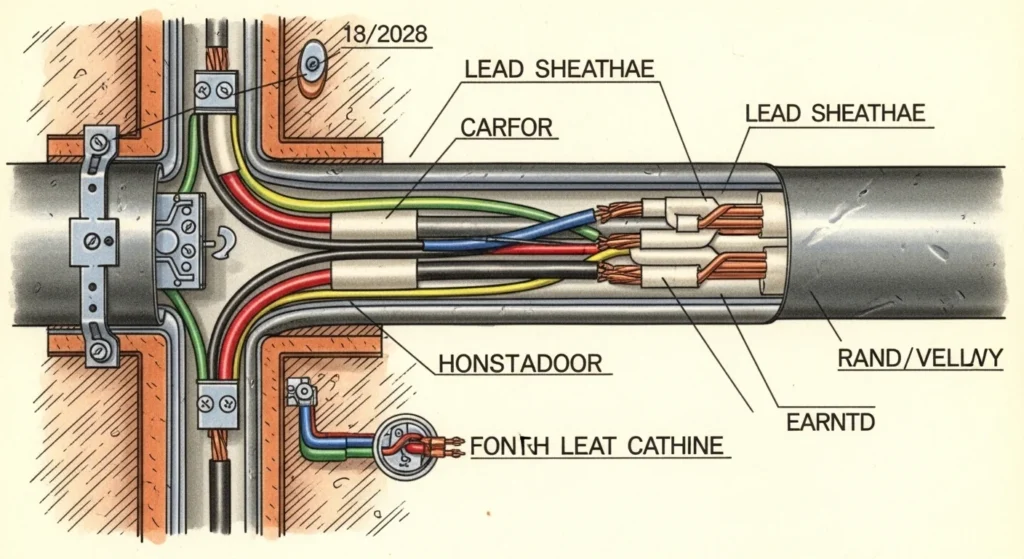

Imagine an old industrial building where electrical wiring must operate safely even in damp and corrosive environments. In such places, ordinary insulated wires may fail quickly due to moisture, chemicals, or mechanical damage. To solve this problem, engineers developed a special wiring method known as the Lead Sheathed Wiring System.
Before modern PVC and conduit wiring became popular, the lead sheathed wiring system was widely used in homes, factories, and underground installations. In this system, insulated electrical wires are covered with a protective lead alloy sheath that protects the cable from moisture, corrosion, and mechanical damage.
Understanding the Lead Sheathed Wiring System Explained is important for electrical students, engineers, technicians, and beginners because it represents an important stage in the evolution of electrical wiring technology. Many older buildings still contain this wiring method, and electricians must understand how it works to maintain or replace it safely.
In this article, you will learn the lead sheathed wiring system working principle, types of lead sheathed wiring, main components, advantages and disadvantages, practical applications, comparison with modern wiring systems, troubleshooting techniques, and future trends in electrical wiring technology.
Lead Sheathed Wiring
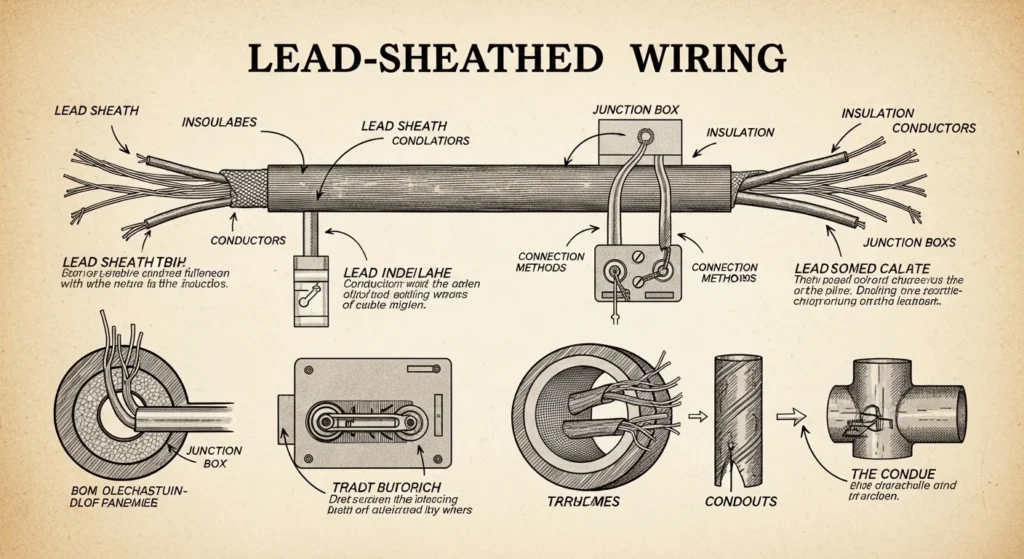
Lead sheathed wiring is a type of electrical wiring system in which insulated electrical wires are covered with an outer lead (metal) sheath for protection. This wiring method was commonly used in older electrical installations where extra protection from moisture, chemicals, and mechanical damage was required.
In this system, the electrical conductor is first insulated with rubber or another insulating material. After that, a protective layer of lead alloy is placed around the insulated cable. The lead sheath acts as a strong protective covering that protects the wire from external environmental conditions.
Lead sheathed wiring was widely used in factories, chemical plants, and damp locations because the lead covering prevents moisture from entering the cable and damaging the insulation. The wiring is usually fixed on wooden battens using clips, similar to batten wiring.
Although this wiring system provides strong protection and durability, it is not commonly used in modern electrical installations because it is expensive and the lead material can be affected by corrosion over time. Today, it has mostly been replaced by PVC insulated and conduit wiring systems.
However, understanding lead sheathed wiring is still important for electrical students and technicians because it is a fundamental part of traditional wiring methods and electrical engineering studies.
Details of Lead Sheathed Wiring
Lead sheathed wiring consists of several layers that work together to protect the electrical conductor and ensure safe operation.Lead Sheathed Wiring is a traditional type of electrical wiring system in which insulated conductors are covered with a protective outer sheath made of lead alloy. This type of wiring was widely used in the past, especially in areas where protection against moisture, chemicals, and mechanical damage was required. In this system, the inner conductors are usually insulated with materials like VIR (Vulcanized India Rubber), and then a continuous lead sheath is applied over them. The lead covering acts as a strong barrier against environmental factors such as dampness, corrosion, and water, making it suitable for underground installations, factories, and humid locations. One important feature of lead sheathed wiring is that the lead outer layer must be properly earthed to ensure safety, as it can become live in case of insulation failure.
The installation process of lead sheathed wiring requires skilled labor because the lead covering is soft and must be handled carefully to avoid cracks or damage. The wires are usually fixed on wooden battens or walls using clips, and special care is taken at joints to maintain proper insulation and continuity of the lead sheath. This wiring system provides excellent durability and long service life when installed correctly. However, it also has some disadvantages. Lead is a heavy and expensive material, which increases the overall cost of installation. Additionally, lead can be harmful to human health and the environment, which is why its use has decreased in modern electrical systems. Maintenance can also be difficult because repairing damaged lead sheathing requires expertise.
Despite these limitations, lead sheathed wiring offers strong protection and reliability, especially in harsh environments where other wiring systems may fail. Today, it has largely been replaced by modern wiring methods such as PVC and XLPE insulated cables, which are lighter, safer, and more cost-effective. However, understanding lead sheathed wiring is still important for electrical students and professionals, as it forms a key part of the historical development of electrical wiring systems and helps in understanding advanced insulation techniques used in modern installations.Structure of Lead Sheathed Cable
A lead sheathed cable is designed with multiple protective layers to ensure safe and reliable transmission of electrical power, especially in harsh environmental conditions. Each layer has a specific function that contributes to the overall performance, safety, and durability of the cable.
1. Conductor
The innermost part of the cable is the conductor, which is usually made of copper or aluminum. Copper is preferred because of its high conductivity and efficiency, while aluminum is used where cost and weight reduction are important.
The main function of the conductor is to carry electric current from the power source to different electrical appliances or systems. It is designed to minimize energy loss and ensure smooth current flow. The conductor may be either single-strand or multi-strand depending on flexibility requirements.
2. Insulation Layer
Surrounding the conductor is the insulation layer, which is made from materials such as rubber, vulcanized rubber, or PVC in modern variations. This layer is extremely important for electrical safety.
Its key functions include:
- Preventing electrical leakage
- Protecting users from electric shock
- Avoiding short circuits between conductors
- Maintaining proper separation of current paths
The insulation must have high dielectric strength to withstand electrical stress and temperature variations without breaking down.
3. Lead Sheath (Outer Covering)
The lead sheath is the most important protective layer in this system. It is made from lead or a lead alloy and is placed over the insulated conductor.
Its main functions are:
- Protecting the cable from moisture and water ingress
- Preventing damage from chemical gases and corrosive substances
- Providing mechanical protection against minor physical impacts
- Acting as a barrier against environmental deterioration
Because lead is naturally resistant to corrosion, it significantly increases the lifespan of the cable, especially in underground or damp environments.
4. Protective Support
In traditional installations, lead sheathed cables are supported using wooden battens, clips, and fasteners. This external support system keeps the cable properly aligned and prevents sagging or mechanical strain.
The support system ensures:
- Neat and organized wiring layout
- Reduced mechanical stress on cables
- Easy inspection and maintenance
- Proper spacing between wiring runs
Installation Method
The installation of lead sheathed wiring requires careful planning and skilled workmanship to ensure safety and durability.
Step-by-Step Process
- Fixing Wooden Battens
Wooden battens are securely mounted on walls or ceilings using screws and plugs. These act as the base support for the wiring system. - Laying the Cable
The lead sheathed cable is carefully placed along the battens without excessive bending or twisting to avoid damage to the sheath. - Securing with Metal Clips
Metal clips or fasteners are used at regular intervals to firmly hold the cable in position. This prevents movement and ensures stability. - Earthing the Lead Sheath
The metallic lead sheath is properly connected to the earth system. This is a critical safety step to prevent electric shock in case of insulation failure. - Electrical Connections
Finally, the internal conductors are connected to switches, sockets, distribution boards, and electrical devices according to the circuit design.
Proper installation ensures long life, safe operation, and reduced risk of electrical faults.
Features of Lead Sheathed Wiring
The lead sheathed wiring system has several important characteristics that made it popular in earlier electrical installations:
- Excellent protection against moisture and water
- High resistance to chemical corrosion
- Strong mechanical durability in suitable conditions
- Long operational life when properly maintained
- Reliable performance in damp and underground environments
- Reduced risk of external electrical damage
These features made it especially useful in challenging environments where ordinary wiring systems could fail.
Limitations of Lead Sheathed Wiring
Despite its strong protective qualities, this system also has several drawbacks that have reduced its use in modern electrical engineering:
- Higher cost compared to PVC and other modern systems
- Heavy weight makes handling and installation difficult
- Lead material can crack under repeated bending or vibration
- Requires skilled labor for proper installation and maintenance
- Environmental and health concerns due to lead toxicity
- Gradually replaced by safer, lightweight, and more efficient alternatives
Applications
Lead sheathed wiring was commonly used in the following places:
- Damp locations
- Chemical factories
- Industrial areas
- Underground installations
- Older residential buildings
Lead sheathed wiring is an old but important electrical wiring system that provides strong protection to cables using a lead metal covering. It was widely used in environments where moisture and chemicals could damage normal wiring.
Although modern wiring systems such as PVC and conduit wiring have largely replaced it, learning about lead sheathed wiring helps electrical students and technicians understand the development of electrical wiring technology and traditional installation methods.
The Lead Sheathed Wiring System is an electrical wiring method in which insulated conductors are enclosed inside a protective sheath made from lead or lead alloy.
Clear Definition
Lead sheathed wiring is a system where electrical wires are insulated and then covered with a protective lead sheath to protect them from moisture and environmental damage.
Simple Explanation
In this wiring method, electrical cables are first insulated with rubber or other insulating material. After insulation, the wires are covered with a metal sheath made of lead. This lead covering acts as a protective barrier against moisture, chemicals, and mechanical damage.
Practical Example
For example, in older houses located in humid areas, electricians used lead sheathed cables to prevent water from damaging electrical wires. The lead covering ensured that moisture could not reach the conductors.
Although modern wiring systems have replaced this method in many places, it is still important to understand for maintenance and educational purposes.
3. Lead Sheathed Wiring System Working Principle
The lead sheathed wiring system working principle focuses on protecting electrical conductors using a metal sheath while maintaining proper insulation and electrical safety.Lead Sheathed Wiring System – Working Principle
The Lead Sheathed Wiring System is a traditional electrical wiring method in which insulated conductors are covered with an outer protective layer (sheath) made of lead or a lead alloy. This system was widely used in the past, especially in areas where moisture, chemicals, or mechanical damage could affect normal wiring.
⚙️ Working Principle of Lead Sheathed Wiring System
The working principle of the lead sheathed wiring system is based on a combination of electrical insulation, mechanical protection, and effective grounding (earthing). These three factors work together to ensure the safe and reliable transmission of electrical power, especially in environments where cables are exposed to moisture, chemicals, or physical damage.
1. Electrical Insulation
At the core of the system, the conductor (usually made of copper or aluminum) is covered with a strong insulating layer such as rubber, vulcanized rubber, or PVC. This insulation plays a very important role in controlling the flow of electricity.
The main functions of insulation include:
- Preventing unwanted current leakage
- Avoiding short circuits between conductors
- Ensuring safe and controlled flow of electricity
- Protecting users from electric shock
👉 In simple terms, insulation ensures that electric current remains inside the conductor and does not escape into surrounding materials or the environment.
2. Lead Sheath Protection
After insulation, the cable is covered with a lead sheath, which acts as an outer protective jacket. This metallic layer provides strong resistance against external environmental factors.
The lead sheath protects the cable from:
- Moisture and water penetration
- Chemical gases and corrosive substances
- Mechanical wear and minor physical damage
- Environmental degradation over time
👉 Because of these properties, lead sheathed cables are especially suitable for underground installations, damp areas, and industrial environments where normal cables may fail quickly.
3. Earthing (Grounding)
One of the most important safety features of this system is the earthing of the lead sheath. The metallic sheath is directly connected to the ground (earth system) to ensure electrical safety.
The earthing system works as follows:
- If the internal insulation fails, leakage current may reach the lead sheath
- Instead of becoming dangerous, this current is safely transferred to the earth
- This prevents electric shock hazards and reduces the risk of fire
- It also helps in quickly detecting faults in the system
👉 Proper grounding is essential because it converts a potentially dangerous fault into a safe discharge path.
4. Current Flow Mechanism
The overall working of the system can be understood in a simple sequence:
- Electrical current flows through the copper or aluminum conductor
- The insulation layer ensures the current remains confined within the conductor
- The lead sheath provides an external protective barrier against environmental damage
- In case of any insulation failure, leakage current is safely directed to the earth through the grounded lead sheath
The working principle of the lead sheathed wiring system is based on a well-balanced combination of insulation, protection, and grounding. Each layer plays a vital role in ensuring safety and durability. Although modern wiring systems have replaced it in many applications, its design principles are still important for understanding the evolution of safe electrical installations.
🧠 Simple Explanation
Think of the system like this:
- Wire (conductor) = carries electricity
- Insulation = prevents leakage
- Lead sheath = acts like a waterproof shield
- Earthing = safety path for fault current
⚡ Advantages of Working Principle
- High protection against moisture and chemicals
- Strong mechanical protection
- Improved safety due to earthing
- Durable and long-lasting
❌ Disadvantages
- Expensive compared to modern wiring
- Heavy and difficult to install
- Lead is toxic and not environmentally friendly
- Mostly replaced by PVC wiring systems today
The working principle of the Lead Sheathed Wiring System is based on safe current flow, strong insulation, and external protection using a lead covering. It ensures electrical safety by preventing leakage and providing a path for fault current through earthing. Although it was very effective in the past, modern wiring systems have largely replaced it due to cost, weight, and environmental concerns.
Step-by-Step Working Process
- Electrical conductors carry current
Copper or aluminum conductors transmit electrical current from the power source to electrical devices. - Insulation protects the conductors
Each conductor is covered with rubber or insulating material to prevent electrical leakage. - Lead sheath provides protection
A layer of lead or lead alloy is wrapped around the insulated cable. - Lead sheath blocks moisture
The metal covering prevents water, dust, and chemicals from reaching the cable insulation. - Clamps fix cables to surfaces
The cables are mounted on walls or wooden battens using special clips. - Electrical devices receive power
Electricity flows safely through the protected cables to lights, sockets, and appliances.
Simple Analogy
Think of the lead sheath like a waterproof jacket for electrical wires. Just as a jacket protects a person from rain, the lead covering protects wires from moisture and environmental damage.
4. Types / Classification
The Lead Sheathed Wiring System can be classified based on installation method and cable structure.
What Is Single-Core Lead Sheathed Wiring? Working Principle and Applications
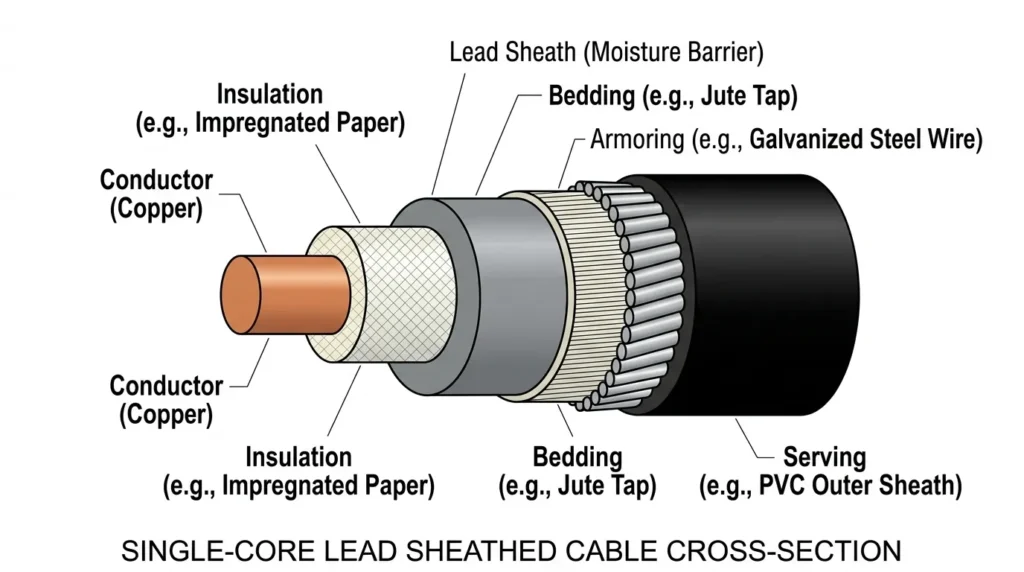
In this type, each cable contains a single conductor inside the lead sheath.
Single-core lead sheathed wiring is an older type of electrical wiring system in which a single insulated conductor is covered with a protective layer of lead. The conductor is usually made of copper, and it is first insulated with materials like VIR (Vulcanized India Rubber) or PVC. After insulation, a lead sheath is applied around the wire to protect it from moisture, chemicals, and mechanical damage. This type of wiring was commonly used in places where environmental conditions were harsh, such as damp areas, underground installations, and industrial locations.
The main advantage of lead sheathed wiring is its high resistance to moisture and corrosion. The lead covering acts as a strong barrier against water and chemical exposure, making it suitable for wet conditions. It also provides good mechanical protection, reducing the risk of damage to the conductor. Additionally, the lead sheath can be earthed, which improves safety by preventing leakage current.
However, this wiring system also has several limitations. It is expensive and heavy, making installation more difficult compared to modern wiring methods. The lead material can also be affected by mechanical stress and may crack over time. Moreover, it requires proper earthing, otherwise it can become dangerous. Due to these disadvantages and the availability of better alternatives like PVC and conduit wiring, single-core lead sheathed wiring is now rarely used.
Overall, this wiring method played an important role in the past but has largely been replaced by safer, lighter, and more cost-effective modern wiring systems.
Features
- Used for simple circuits
- Easy to install
- Suitable for light electrical loads
A Complete Guide to Multi-Core Lead Sheathed Wiring Systems
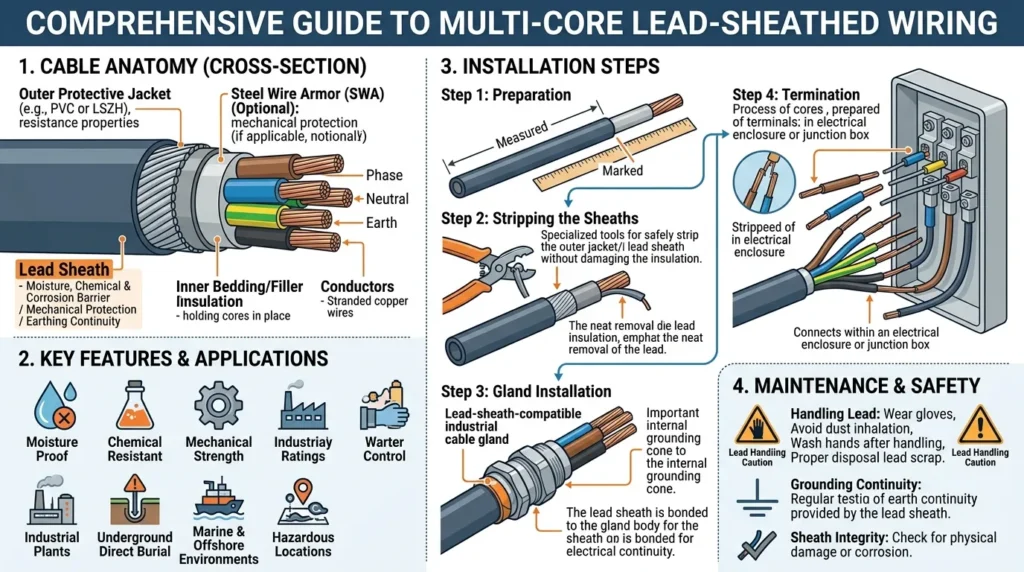
Multi-core cables contain two or more insulated conductors inside a single lead sheath.
Multi-Core Lead Sheathed Wiring is a type of electrical wiring system that consists of multiple insulated copper conductors enclosed within a protective lead sheath. This lead covering provides strong protection against moisture, chemical exposure, and mechanical damage, making it highly suitable for harsh or industrial environments. Each core inside the cable is individually insulated, which helps in safe and efficient transmission of electrical power or signals without interference between conductors. The outer lead sheath acts as a barrier that prevents water, dust, and corrosive elements from entering the cable, thereby increasing its durability and lifespan. This type of wiring is commonly used in underground installations, factories, mines, and areas where high safety standards are required. One of the main advantages of multi-core lead sheathed wiring is its excellent resistance to fire and external damage, which enhances overall electrical safety. It also reduces the risk of short circuits and electrical leakage. However, it is relatively heavy and more expensive compared to standard wiring systems, and installation requires skilled labor. Despite these limitations, it remains a reliable choice for critical electrical installations where long-term performance and safety are top priorities. Overall, Multi-Core Lead Sheathed Wiring is an efficient and durable solution for modern electrical infrastructure.
Features
- Used for multi-phase circuits
- Reduces wiring complexity
- Common in industrial installations
What Is Lead Sheathed Batten Wiring? Construction, Installation, and Applications
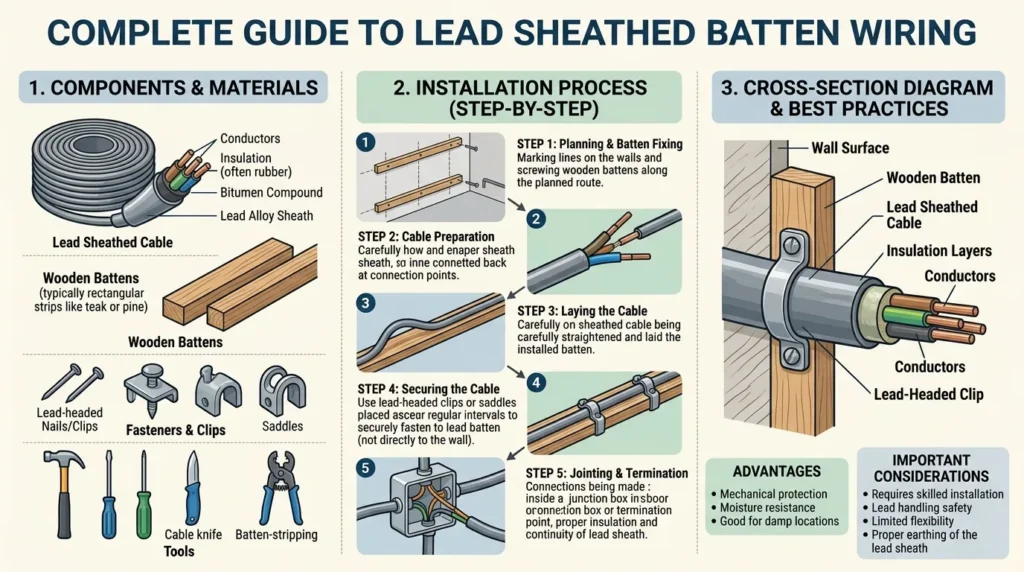
In this method, lead sheathed cables are fixed on wooden battens using brass clips.
Lead Sheathed Batten Wiring ek purana lekin kaafi mazboot wiring system hai jo pehle residential, commercial, aur industrial buildings mein istemal kiya jata tha. Is wiring system mein insulated conductors ko ek lead (seesa) ki protective sheath se cover kiya jata hai. Yeh lead sheath wires ko moisture, mechanical damage, aur chemical effects se bachati hai, jis wajah se yeh wiring damp ya nami wali jagahon ke liye suitable mani jati thi. Is system mein lead-sheathed cables ko wooden battens par brass clips ki madad se fix kiya jata hai, isliye ise Lead Sheathed Batten Wiring kaha jata hai. Lead sheath ko proper earthing ke sath connect karna zaroori hota hai taake electrical leakage ya shock ke khatre ko kam kiya ja sake. Is wiring ka sab se bada faida iska strong protective covering hai jo cable ki life ko barhati hai aur external factors se hifazat karti hai. Yeh system rodents aur insects ke nuksan se bhi wires ko bachata hai. Iske bawajood, Lead Sheathed Batten Wiring aaj kal kam istemal hoti hai kyun ke lead ek mehnga material hai aur installation ka process bhi zyada mehnat talab hota hai. Iske ilawa lead ka wazan zyada hone ki wajah se wiring system bhari ho jata hai aur maintenance bhi mushkil ho sakti hai. Modern electrical installations mein PVC insulated aur conduit wiring systems ne iski jagah le li hai kyun ke woh zyada economical, lightweight, aur install karne mein asaan hote hain. Phir bhi, electrical engineering ke mutabiq Lead Sheathed Batten Wiring ek important wiring method hai jo wiring systems ki development aur history ko samajhne mein madad karta hai. Iski moisture resistance aur durability ki wajah se yeh apne daur ka ek reliable aur safe wiring solution mana jata tha.
Features
- Strong cable support
- Easy inspection and maintenance
- Suitable for indoor installations
5. Main Components
A typical lead sheathed wiring system includes several important components.
Electrical Conductors
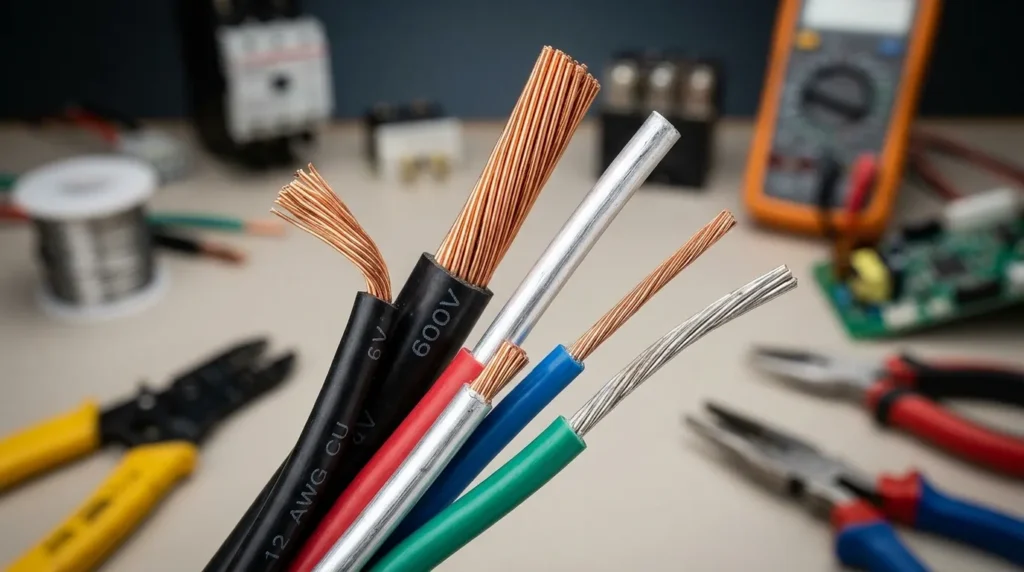
Copper or aluminum conductors carry electrical current through the system.
Electrical conductors are materials that allow electric current to flow through them easily because they contain a large number of free electrons. These free electrons move from one atom to another when a voltage is applied, enabling the transmission of electrical energy from one point to another. Conductors play a vital role in every electrical system, from simple household wiring to large industrial power networks. The most commonly used conductors are metals because of their excellent electrical conductivity. Copper is the most widely used conductor in electrical installations due to its high conductivity, flexibility, durability, and resistance to corrosion. Aluminum is another popular conductor, especially in overhead power transmission lines, because it is lightweight and more economical than copper. Other conductive materials include silver, gold, and brass, although their use is limited because of cost or specific application requirements. Conductors are classified into different types based on their construction, such as solid conductors, stranded conductors, and flexible conductors. Solid conductors consist of a single wire and are commonly used in fixed installations, while stranded conductors are made up of several small wires twisted together to improve flexibility and resistance to breakage. Flexible conductors are used in appliances and equipment that require frequent movement. Good conductors possess characteristics such as low electrical resistance, high mechanical strength, ductility, and the ability to withstand environmental conditions. They are used in electrical wiring, motors, transformers, generators, electronic circuits, and power distribution systems. The efficiency and safety of an electrical installation largely depend on selecting the appropriate conductor type and size according to the current-carrying requirements. Proper insulation is also essential to protect conductors from moisture, mechanical damage, and accidental contact. Without electrical conductors, the generation, transmission, and utilization of electrical energy would not be possible, making them one of the most important components in the field of electrical engineering.
Insulation Material
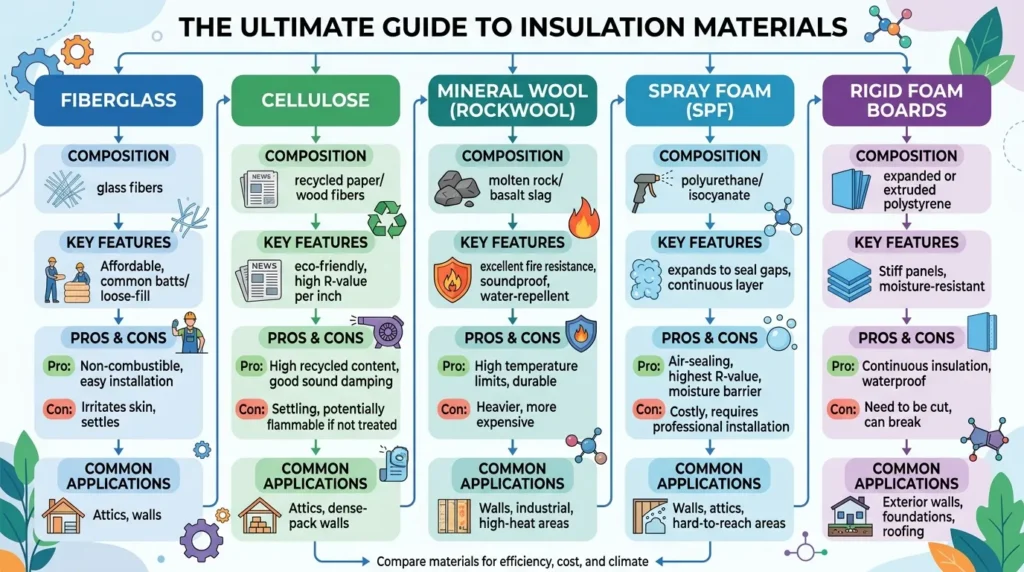
Rubber insulation protects conductors from electrical leakage and short circuits.
Insulation materials are substances used to prevent the unwanted flow of electric current and to protect people, equipment, and electrical systems from electrical hazards. Unlike conductors, which allow electricity to pass through easily, insulating materials have very high electrical resistance and do not permit the free movement of electrons. Their primary function is to isolate conductive parts, reduce the risk of electric shock, prevent short circuits, and improve the overall safety and efficiency of electrical installations. Insulation materials are widely used in household wiring, power cables, transformers, motors, generators, switchgear, and various electronic devices. Common insulating materials include rubber, PVC (polyvinyl chloride), porcelain, glass, mica, paper, varnish, and certain types of plastics. Rubber and PVC are frequently used to cover electrical wires and cables because they are flexible, durable, moisture-resistant, and cost-effective. Porcelain and glass are often used in overhead transmission line insulators due to their excellent insulating properties and ability to withstand harsh weather conditions. Mica is valued for its heat resistance and is commonly used in high-temperature electrical equipment. Good insulation materials should possess several important characteristics, including high dielectric strength, high resistivity, mechanical strength, resistance to moisture, heat stability, and long service life. They should also be able to withstand environmental factors such as dust, chemicals, and temperature variations without losing their insulating properties. The selection of insulation material depends on factors such as operating voltage, environmental conditions, temperature requirements, and the nature of the application. Proper insulation not only ensures the safe operation of electrical systems but also minimizes energy losses and extends the lifespan of equipment. Regular inspection and maintenance of insulating components are necessary to identify deterioration or damage that could lead to equipment failure or safety risks. Therefore, insulation materials are essential elements in electrical engineering, contributing significantly to the reliability, efficiency, and protection of modern electrical systems and ensuring the safe use of electricity in everyday life and industrial applications.
Lead Sheath
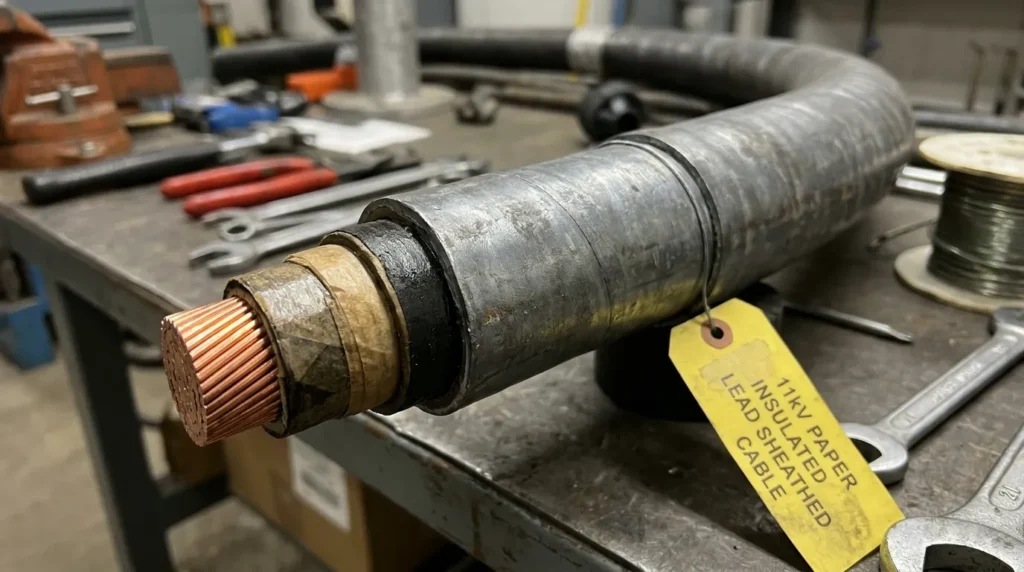
The lead sheath is the most important component of this wiring system. It protects cables from moisture, corrosion, and physical damage.
Lead sheath is a protective covering made from lead or lead alloys that is applied around electrical cables to safeguard them from moisture, chemicals, mechanical damage, and other environmental hazards. Before the development of modern plastic insulation materials, lead sheathing was widely used in underground and industrial cable installations because of its excellent protective properties. The lead sheath forms a continuous metallic barrier around the insulated conductors, preventing water, oil, gases, and corrosive substances from penetrating the cable and damaging its internal components. This feature makes lead-sheathed cables particularly suitable for use in damp locations, chemical plants, mines, and underground distribution systems where cables are exposed to harsh conditions.
One of the major advantages of lead as a sheath material is its high resistance to corrosion. It remains stable in many environments and provides long-lasting protection, thereby increasing the service life of electrical cables. Lead is also flexible enough to be formed around cables during manufacturing, allowing the cable to maintain a practical level of bendability during installation. In addition, the sheath provides a degree of mechanical strength and protection against minor impacts and abrasion. However, because lead is relatively soft, lead-sheathed cables are often reinforced with additional protective layers such as bedding and armouring when greater mechanical protection is required.
Despite its advantages, lead sheathing has some disadvantages. Lead is heavy, which makes the cables difficult to handle and transport. It is also more expensive than many modern alternatives and may crack if subjected to repeated bending or vibration. Furthermore, concerns regarding the environmental and health effects of lead have reduced its use in contemporary electrical installations. Today, materials such as PVC and polyethylene are commonly used as cable coverings in place of lead. Nevertheless, lead sheath remains an important topic in electrical engineering because it played a significant role in the development of safe and reliable cable systems and is still found in certain specialized applications where superior moisture and chemical resistance are required.
Wooden Battens
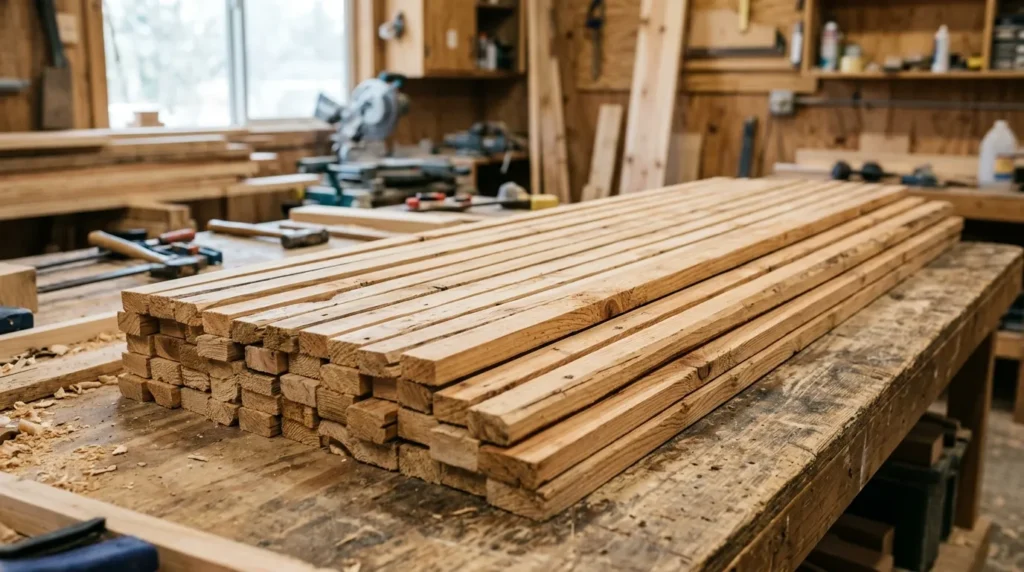
Wooden battens provide support for cables and help organize wiring along walls.
Wooden battens are long, narrow strips of seasoned wood used to support and secure electrical wiring in traditional wiring systems, particularly in batten wiring installations. They provide a firm base on which insulated cables are fixed using brass link clips or tinned buckle clips. Before the introduction of modern conduit systems and plastic casing, wooden battens were widely used in residential, commercial, and light industrial buildings because they were simple to install and relatively inexpensive. The wood used for battens is usually teak or another high-quality hardwood that has been properly seasoned to remove moisture and prevent warping, cracking, or decay over time. To increase durability and resistance against insects, fungi, and moisture, the battens are often treated with protective preservatives or varnish.
Wooden battens are available in different sizes and thicknesses depending on the number and size of cables they are required to support. During installation, the battens are fixed securely to walls or ceilings using screws and wooden plugs, ensuring that the wiring remains neatly arranged and adequately supported. The cables are then laid along the batten and fastened at regular intervals using clips, providing a tidy and organized appearance. One of the main advantages of wooden battens is that they allow easy inspection, maintenance, and replacement of cables when necessary. They also offer a simple and economical wiring solution for dry indoor environments where there is minimal risk of mechanical damage.
However, wooden battens also have certain limitations. Since wood is combustible, batten wiring is not recommended in locations exposed to excessive heat, moisture, or fire hazards. Prolonged exposure to damp conditions may cause the wood to deteriorate, reducing its strength and reliability. Additionally, wooden battens provide limited mechanical protection compared to modern conduit systems. Although their use has declined with advancements in electrical installation methods, wooden battens remain an important part of electrical engineering studies because they represent one of the traditional methods of wiring and illustrate the evolution of safe and effective electrical installation practices.
Clips and Fasteners
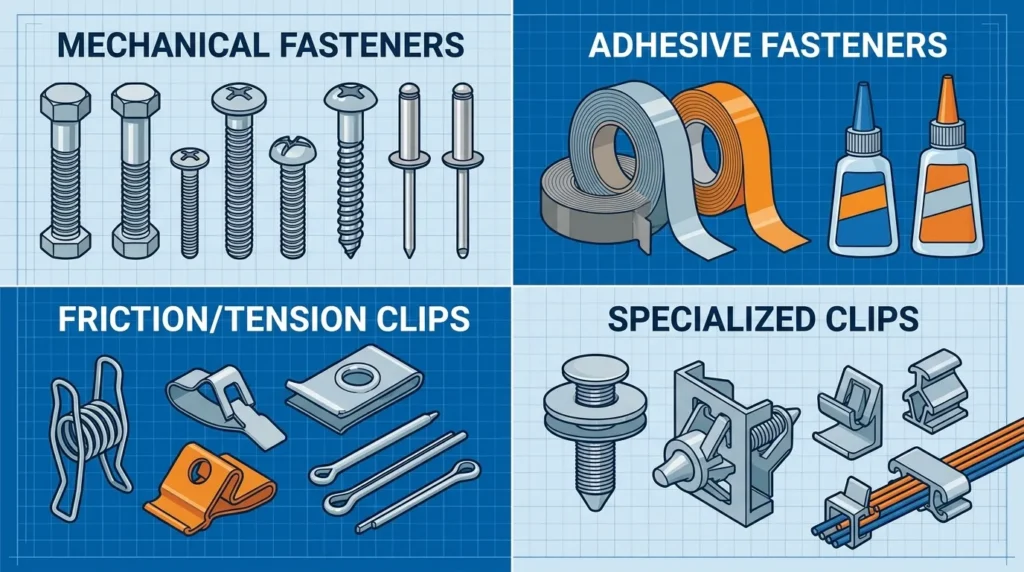
Clips secure cables to battens or walls to keep them stable.
Clips and fasteners are essential components used in electrical installations to secure and support wires, cables, conduits, and other electrical accessories in their proper positions. They help maintain an organized wiring system, prevent unnecessary movement of cables, and reduce the risk of damage caused by vibration, tension, or accidental pulling. In batten wiring systems, clips are commonly used to hold insulated cables firmly against wooden battens. These clips are usually made of brass, copper, aluminum, or other corrosion-resistant materials to ensure durability and long service life. Fasteners, such as screws, nails, bolts, and wall plugs, are used to fix clips, battens, and conduits securely to walls, ceilings, or other structural surfaces.
Different types of clips and fasteners are selected according to the nature of the installation and the environment in which they are used. Proper spacing and secure fastening are important to maintain the neat appearance and safety of the wiring system. High-quality clips and fasteners should possess adequate mechanical strength, resistance to corrosion, and the ability to withstand environmental conditions without loosening over time. They also simplify maintenance by keeping cables accessible and properly arranged. Although these components are relatively small and inexpensive, they play a vital role in ensuring the stability, reliability, and safety of electrical installations. Without properly installed clips and fasteners, electrical wiring could become disorganized, damaged, or unsafe, increasing the risk of faults and reducing the overall efficiency and lifespan of the electrical system.
Junction Boxes
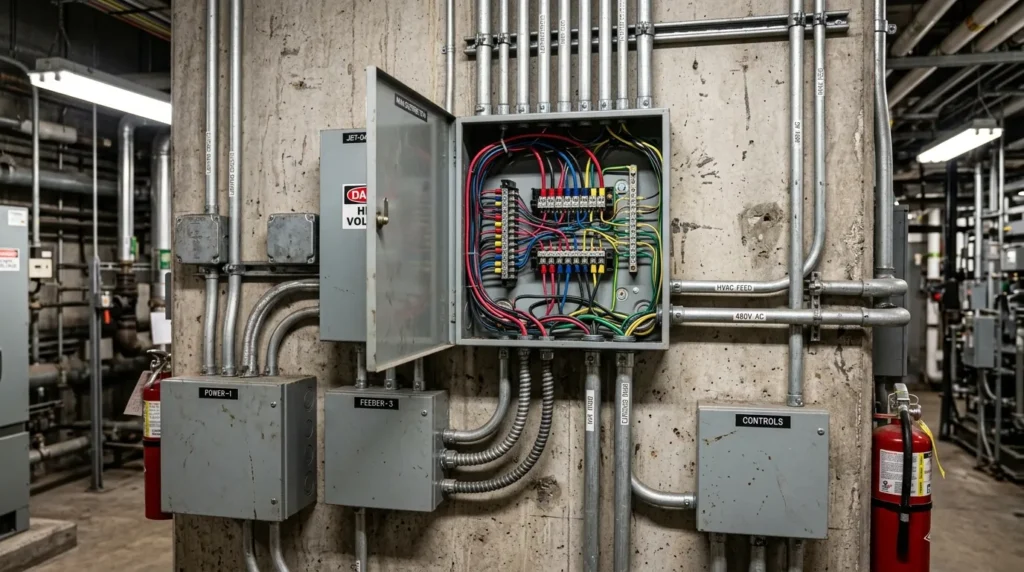
Junction boxes allow safe connections between different wiring circuits.
Junction boxes are protective enclosures used in electrical installations to house wire connections and branching points safely. They serve as central points where two or more electrical conductors are joined, distributed, or redirected to different circuits. Junction boxes play an important role in maintaining the safety, organization, and reliability of electrical systems by preventing exposed wire connections that could lead to electric shocks, short circuits, or fire hazards. These boxes are commonly made from materials such as metal, PVC, or other durable insulating plastics, depending on the type of installation and environmental conditions.
Junction boxes are widely used in residential, commercial, and industrial wiring systems. They are installed in accessible locations to allow easy inspection, testing, maintenance, and future modifications of electrical circuits. The wires inside the box are connected using suitable connectors or terminal blocks and are protected by a removable cover. This cover shields the connections from dust, moisture, accidental contact, and mechanical damage. Junction boxes are available in various shapes and sizes, including square, rectangular, circular, and weatherproof designs for outdoor applications.
A good junction box should provide adequate space for wiring, strong mechanical protection, and resistance to corrosion and environmental effects. Proper installation of junction boxes ensures neat cable management and compliance with electrical safety standards. Although often unnoticed, junction boxes are essential components of electrical systems because they improve safety, simplify troubleshooting, and extend the life of electrical installations by protecting critical wire connections from damage and external influences.
6. Lead Sheathed Wiring System Advantages
Understanding lead sheathed wiring system advantages and disadvantages helps electricians evaluate its usefulness.
Advantages and Disadvantages of Lead Sheathed Wiring System
Advantages of Lead Sheathed Wiring System
| No. | Advantages | Description |
|---|---|---|
| 1 | Excellent Moisture Protection | The lead sheath prevents moisture from entering the cable, making it suitable for damp locations. |
| 2 | High Mechanical Strength | It provides additional protection against minor physical damage. |
| 3 | Corrosion Resistance | Lead resists many chemicals and corrosive substances, increasing cable life. |
| 4 | Long Service Life | Properly installed lead-sheathed cables remain reliable for many years. |
| 5 | Suitable for Underground Use | The protective sheath makes it ideal for underground cable installations. |
| 6 | Chemical Resistance | It performs well in industrial areas exposed to oils and chemicals. |
| 7 | Improved Safety | The sheath protects insulated conductors from external damage. |
| 8 | Rodent Protection | The metallic covering offers some resistance against rodent attacks. |
| 9 | Reliable Performance | It maintains stable operation under adverse environmental conditions. |
| 10 | Weather Resistance | Lead sheathing protects cables from humidity and varying weather conditions. |
Disadvantages of Lead Sheathed Wiring System
| No. | Disadvantages | Description |
|---|---|---|
| 1 | High Cost | Lead-sheathed cables are more expensive than many modern wiring systems. |
| 2 | Heavy Weight | The lead covering increases the overall weight of the cable. |
| 3 | Difficult Installation | Handling and installation require extra care and skilled labor. |
| 4 | Limited Flexibility | Repeated bending can crack or damage the lead sheath. |
| 5 | Health Hazards | Lead is toxic and may pose health risks during manufacturing and disposal. |
| 6 | Environmental Concerns | Disposal of lead materials can negatively affect the environment. |
| 7 | Higher Transportation Costs | The heavy weight increases transportation expenses. |
| 8 | Maintenance Challenges | Repairs and modifications can be more complicated. |
| 9 | Obsolete Technology | Modern wiring systems such as PVC and XLPE have largely replaced it. |
| 10 | Risk of Sheath Damage | Mechanical stress or vibration may cause the lead sheath to split or crack over time. |
These advantages and disadvantages help electricians and engineers evaluate whether the Lead Sheathed Wiring System is suitable for a particular electrical installation. While it offers excellent protection and durability, its weight, cost, and environmental concerns have reduced its use in modern applications.
Real-World Benefits
This wiring system was especially useful in areas such as basements, underground installations, and industrial buildings where moisture was a major concern.
Because of these disadvantages, modern electrical systems have largely replaced this wiring method.
8. Lead Sheathed Wiring System Applications
The lead sheathed wiring system was widely used in earlier electrical installations because of its excellent resistance to moisture, chemicals, and environmental damage. Although modern wiring methods have replaced it in many applications, lead sheathed cables are still recognized for their durability and protective qualities. The following are some of the major applications of this wiring system.
Residential Buildings
In the past, lead sheathed wiring systems were commonly installed in residential buildings, especially in areas where moisture could affect electrical wiring. Older homes used these cables in kitchens, bathrooms, basements, and other damp locations because the lead covering prevented water from penetrating the insulation. This additional protection improved the safety and lifespan of the wiring system, reducing the chances of insulation failure and electrical faults.
Industrial Facilities
Factories and industrial plants often operate in environments exposed to dust, oils, steam, and humidity. Lead sheathed cables were widely used in such facilities because the lead covering protected the conductors from mechanical damage and harsh environmental conditions. Their durability ensured reliable power distribution and minimized the risk of interruptions in industrial operations.
Underground Electrical Installations
One of the most important applications of lead sheathed wiring was in underground electrical installations. Cables buried beneath the ground are constantly exposed to moisture and soil chemicals that can damage ordinary insulation. The lead sheath acts as a waterproof barrier, preventing water from entering the cable and protecting it from deterioration. This made lead sheathed cables a preferred choice for underground power distribution systems.
Chemical Plants
Chemical industries often contain corrosive substances that can damage standard electrical cables. Lead has excellent resistance to many chemicals and corrosive agents, making lead sheathed wiring suitable for chemical plants and processing facilities. The protective sheath helped maintain the integrity of the cable and ensured safe operation even in aggressive environments.
Marine Applications
Lead sheathed wiring systems were also used in ships, ports, docks, and other marine installations. The high humidity, salty atmosphere, and constant exposure to moisture in marine environments can quickly damage conventional wiring. The lead sheath provided effective protection against these conditions, ensuring dependable electrical performance and reducing maintenance requirements.
Overall, the lead sheathed wiring system applications demonstrate why this method was once considered one of the safest and most reliable wiring solutions. Its resistance to moisture, corrosion, and environmental damage made it suitable for residential, industrial, underground, chemical, and marine installations. Although modern materials such as PVC and XLPE have largely replaced lead sheathing, its contribution to the development of secure and long-lasting electrical systems remains significant.
9. Comparison Section
Understanding the difference between lead sheathed wiring and PVC conduit wiring helps explain why modern systems replaced it.
| Feature | Lead Sheathed Wiring | PVC Conduit Wiring |
|---|---|---|
| Protection | High moisture protection | Moderate protection |
| Weight | Heavy | Lightweight |
| Installation | Difficult | Easy |
| Cost | Expensive | Affordable |
| Maintenance | Moderate | Easy |
| Modern Usage | Rare | Widely used |
Today, PVC conduit wiring is more popular because it is safer, lighter, and easier to install.
10. Selection Guide
Although the lead sheathed wiring system is rarely used in modern electrical installations, understanding how to select and maintain it remains important, particularly when working on the renovation, repair, or inspection of older buildings where this type of wiring is still in service. Proper selection helps ensure safety, reliability, and efficient performance throughout the life of the electrical system. Electricians and maintenance personnel should carefully evaluate several factors before deciding whether an existing lead sheathed wiring system can continue to be used or requires replacement.
Important Factors
Environmental Conditions
The surrounding environment plays a major role in the selection of lead sheathed wiring. This system is especially suitable for damp, humid, or chemically exposed areas because the lead covering provides excellent protection against moisture and corrosive substances. However, in locations subject to excessive vibration or repeated movement, lead sheathing may crack over time and may not be the best choice.
Moisture Exposure
One of the greatest advantages of lead sheathed cables is their ability to resist water penetration. When selecting this wiring system for maintenance purposes, it is important to assess the level of moisture exposure in the installation area. Buildings with basements, underground sections, or areas prone to dampness can still benefit from the waterproof characteristics of lead sheathing if the cables remain in good condition.
Mechanical Protection Requirements
The amount of physical protection required should also be considered. Although the lead sheath provides a degree of mechanical strength, it can be damaged by severe impacts or continuous stress. In areas where cables are exposed to potential mechanical damage, additional protection such as armouring, conduits, or protective coverings may be necessary to increase durability and safety.
Budget and Material Availability
Cost is another important factor. Repairing or replacing sections of lead sheathed wiring may be expensive because these materials are less commonly available today. In some situations, maintaining the existing system may be more economical than complete replacement, provided that the wiring remains safe and complies with electrical standards.
Electrical Load Requirements
Before retaining an older lead sheathed wiring system, electricians should verify that the cable size and current-carrying capacity are suitable for the present electrical load. Many older installations were designed for lower power demands than modern households and industries require today. Overloading outdated cables can lead to overheating and insulation failure.
Tips for Beginners
Always Ensure Proper Earthing of the Lead Sheath
The metallic lead sheath should be effectively connected to the earthing system. Proper earthing prevents the sheath from becoming electrically live during insulation faults and greatly reduces the risk of electric shock.
Avoid Bending Lead Cables Sharply
Lead is relatively soft and can crack if bent excessively. During inspection, repair, or installation work, cables should be handled carefully and bent only within recommended limits to preserve the integrity of the sheath.
Use Proper Clamps for Cable Support
Suitable clips, clamps, and fasteners should be used to support the cables at regular intervals. Proper support prevents sagging, minimizes mechanical stress, and protects the lead sheath from damage caused by vibration or movement.
Inspect Cables Regularly for Cracks
Routine inspections should be carried out to detect cracks, corrosion, deformation, or other signs of deterioration in the lead covering. Early identification of defects allows timely repairs and prevents serious electrical failures.
Seek Professional Assistance When Necessary
If there is any uncertainty regarding the condition of an old lead sheathed wiring system, it is advisable to consult a qualified electrician. Professional testing and assessment can determine whether the wiring can safely remain in service or should be upgraded to modern alternatives.
By considering these factors and following proper maintenance practices, older lead sheathed wiring systems can continue to operate safely and efficiently. Although modern wiring methods have largely replaced this system, understanding its selection criteria and maintenance requirements remains valuable for electricians, students, and anyone involved in the preservation of older electrical installations.
11. Common Problems & Solutions
The lead sheathed wiring system is known for its durability and protection, but over time it can develop certain problems due to aging, environmental exposure, and mechanical stress. Understanding these common issues and their solutions is very important for safe maintenance, especially in older electrical installations.
Q1: Why does the lead sheath crack?
The lead sheath may crack due to continuous mechanical stress, vibration, improper handling, or natural aging of the material. Since lead is a soft metal, repeated bending or pressure can weaken its structure over time. Temperature changes can also expand and contract the material, leading to small fractures that gradually grow larger.
Solution:
If cracks are detected, the damaged section of the cable should be replaced immediately. Temporary repair methods are not reliable for electrical safety. During handling, cables should be supported properly and bending should be avoided beyond safe limits to prevent further damage.
Q2: Why does electrical leakage occur?
Electrical leakage usually occurs when the internal insulation of the cable becomes damaged or deteriorated. Even though the lead sheath provides an outer protective layer, it does not replace proper internal insulation. Moisture ingress, aging insulation, or physical damage can lead to leakage of current, which may create safety hazards.
Solution:
A proper inspection of the insulation should be carried out using testing instruments. Faulty or aged cables must be replaced with new wiring. Regular maintenance checks can help detect early signs of insulation failure and prevent accidents.
Q3: Why is earthing important in this system?
Earthing is extremely important in a lead sheathed wiring system because the metal sheath can become electrically live if the internal insulation fails. Without proper grounding, this can result in serious electric shock hazards. Earthing ensures that any fault current is safely directed into the ground instead of passing through users or equipment.
Solution:
A strong and continuous earthing connection must be provided to the lead sheath. The earthing system should be tested regularly to ensure proper conductivity and safety compliance. Any loose or broken earth connections must be repaired immediately.
Q4: Why does corrosion occur on lead cables?
Corrosion on lead cables can occur due to long-term exposure to moisture, chemicals, or industrial gases. Although lead is more resistant to corrosion than many metals, it is not completely immune. In harsh environments such as chemical plants or coastal areas, corrosion can gradually weaken the sheath and reduce its protective ability.
Solution:
To reduce corrosion, protective coatings such as varnish or anti-corrosive compounds can be applied. In severe cases where damage is extensive, replacing the affected cables is the safest option. Regular inspection helps identify corrosion at an early stage, allowing timely maintenance.
By understanding these common problems and their solutions, electricians and maintenance workers can ensure that older lead sheathed wiring systems remain safe, reliable, and functional. Proper care, inspection, and timely replacement are key to preventing electrical hazards and extending the life of existing installations.
12. Future Trends
Although the Lead Sheathed Wiring System is now rarely used in modern electrical installations, it played a very important role in shaping the development of today’s advanced wiring technologies. It provided strong protection against moisture, chemicals, and mechanical damage, and served as a foundation for safer and more reliable electrical systems. However, with the advancement of technology, modern materials and methods have replaced it, offering better efficiency, safety, and environmental performance.
Advanced Insulation Materials
One of the biggest advancements in electrical wiring is the development of high-quality insulation materials such as PVC (Polyvinyl Chloride), XLPE (Cross-Linked Polyethylene), and other synthetic compounds. These materials are far superior to older insulation methods because they provide:
- Better electrical resistance
- Higher heat tolerance
- Improved flexibility
- Longer service life
- Enhanced safety against short circuits
Unlike lead sheathed cables, modern insulated wires are lighter, easier to install, and more cost-effective. XLPE cables, in particular, are widely used in power transmission because they can handle high voltage and temperature conditions efficiently.
Smart Electrical Systems
The future of electrical wiring is strongly connected to smart technology. Modern buildings are increasingly using smart electrical systems that allow automation and remote control of devices. These systems integrate wiring with sensors, smart switches, and digital controllers.
Key features of smart electrical systems include:
- Remote control of lighting and appliances
- Energy monitoring and management
- Automated safety shutdown systems
- Integration with mobile apps and AI assistants
These advancements require more sophisticated wiring layouts compared to traditional systems like lead sheathing. Smart wiring focuses on efficiency, flexibility, and digital communication.
Lightweight Protective Materials
Another major trend in modern electrical engineering is the use of lightweight protective materials instead of heavy metal coverings like lead. Materials such as PVC, polyethylene, and composite polymers are now widely used for cable protection.
Advantages of lightweight materials include:
- Easier handling and installation
- Reduced transportation cost
- Greater flexibility
- Resistance to corrosion and weather conditions
These materials also reduce the overall weight of electrical systems, making them more suitable for large-scale infrastructure projects such as skyscrapers, airports, and industrial plants.
Environmentally Friendly Wiring
Environmental safety has become a major focus in modern electrical design. Traditional materials like lead are now avoided because of their toxic nature and environmental impact. Instead, the industry is moving toward eco-friendly and recyclable materials.
Key developments include:
- Lead-free and halogen-free cables
- Recyclable insulation materials
- Reduced carbon footprint manufacturing processes
- Energy-efficient wiring systems
These eco-friendly solutions help reduce pollution and ensure safer disposal of electrical components, protecting both human health and the environment.
13. Conclusion
The Lead Sheathed Wiring System was once an important electrical wiring method used in homes, factories, and underground installations. By covering insulated conductors with a protective lead sheath, this system provided excellent protection against moisture, corrosion, and mechanical damage.
Although modern wiring systems such as PVC conduit wiring have largely replaced lead sheathed cables, understanding this system remains valuable for electrical students and technicians. Many older buildings still contain this wiring method, and electricians must know how to maintain or replace it safely.
Learning the lead sheathed wiring system working principle, applications, and advantages and disadvantages helps engineers understand the evolution of electrical wiring technology. This knowledge improves practical skills and prepares professionals to handle both modern and legacy electrical systems.