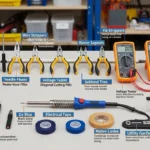

Imagine you are working on an electrical panel in a workshop. Suddenly, a wire sparks, and you receive a minor burn on your hand. Your colleague slips while rushing to help and gets a small cut. In such moments, panic can make the situation worse. But if a First Aid Kit is nearby, you can quickly clean the wound, apply medicine, and control the injury.
In electrical and technical fields, small accidents happen often. Cuts, burns, electric shocks, and minor injuries are common risks. That is why understanding the importance of a First Aid Kit is very important for students, engineers, technicians, and beginners.
This topic is important because it helps save time, reduce injury effects, and sometimes even save lives. Knowing how to use a First Aid Kit makes you more confident and responsible at work.
In this article, you will learn what a First Aid Kit is, how it works, its types, main components, advantages, disadvantages, applications, and future trends. This guide is written from practical experience, just like a senior engineer explaining safety basics to juniors.🧰 First Aid Kit
A first aid kit is a collection of essential medical supplies and equipment used to provide immediate care during injuries or sudden illness before professional medical help arrives. It is an important safety tool for homes, workplaces, schools, and travel.
First aid tips for engineers
First Aid Tips for Engineers (Electrical, Mechanical, Civil & Field Work)
Engineers often work in environments where risks like electric shock, burns, cuts, falls, and chemical exposure are common. Knowing basic first aid is very important because it can save lives and reduce injury severity before professional medical help arrives. Every engineer should have basic emergency knowledge and quick response skills.
One of the most important tips is to stay calm and assess the situation. Panic can make things worse. First, ensure your own safety, then check the injured person. If the environment is dangerous (live wires, fire, machinery), do not rush in without making it safe.
Electrical Shock First Aid
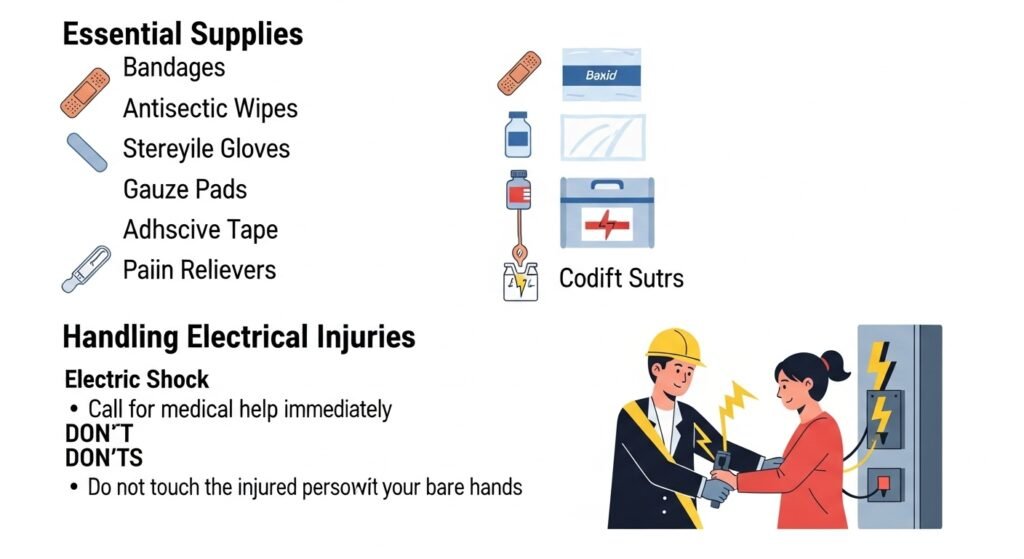
In electrical work, shock is a major risk. If someone is in contact with electricity:
- Do not touch them directly
- Turn off the power supply immediately
- Use a dry wooden stick or non-conductive object to separate them
- Check breathing and pulse
- If needed, perform CPR (cardiopulmonary resuscitation)
- Call emergency services
Burns Treatment
Burns can happen from electricity, heat, or chemicals:
- Cool the burn with clean running water for 10–15 minutes
- Do not apply oil or cream
- Cover with a clean, dry cloth or sterile dressing
- For severe burns, seek medical help immediately
Cuts and Bleeding
Engineers working with tools may get cuts:
- Clean the wound with water
- Apply gentle pressure to stop bleeding
- Use a bandage or sterile dressing
- If bleeding is heavy, elevate the injured part and get medical help
Fractures and Falls
Falls are common in construction and maintenance work:
- Do not move the injured person unnecessarily
- Support the injured area with a splint
- Keep the person comfortable
- Call for medical assistance
Eye Injuries
Dust, chemicals, or sparks can damage eyes:
- Do not rub the eye
- Rinse with clean water immediately
- Cover the eye lightly and seek medical help
Chemical Exposure
- Wash affected area with plenty of water
- Remove contaminated clothing
- Avoid direct contact with chemicals
- Get medical help if irritation continues
General Safety Tips
- Always keep a first aid kit at the workplace
- Wear proper PPE (helmet, gloves, goggles, safety shoes)
- Know emergency contact numbers
- Get basic first aid training
- Regularly inspect tools and equipment
First aid knowledge is essential for every engineer working in any field. Quick and correct action can prevent serious injuries and even save lives. Always prioritize safety, stay alert, and be prepared for emergencies. A responsible engineer not only solves technical problems but also ensures the safety of everyone on site.
🩺 What is a First Aid Kit?
A first aid kit is designed to handle minor medical emergencies such as cuts, burns, sprains, and basic health issues. It helps reduce pain, prevent infection, and stabilize a person until proper medical treatment is available.
Simple Explanation:
It is a “quick-help medical box” used in emergencies.
Real-Life Example:
If someone gets a cut while cooking, a first aid kit can be used to clean and bandage the wound immediately.
📦 Essential Items in a First Aid Kit
A well-prepared first aid kit should include:
🧴 Basic Medical Supplies
- Adhesive bandages (Band-Aids)
- Sterile gauze pads
- Medical tape
- Antiseptic solution or wipes
- Cotton balls or swabs
💊 Medications (Basic Use Only)
- Pain relievers (like Paracetamol)
- Antihistamines (for allergies)
- Oral rehydration salts (ORS)
🛠️ Tools and Equipment
- Scissors
- Tweezers
- Thermometer
- Disposable gloves
- Safety pins
🩹 Additional Items
- Burn cream
- Antibiotic ointment
- Elastic bandage (for sprains)
- Instant cold pack
⚙️ Working Principle of a First Aid Kit
The first aid kit works on the principle of immediate response and basic care:
- Assess the injury or condition
- Provide basic treatment (cleaning, dressing, support)
- Prevent further harm or infection
- Stabilize the patient until medical help arrives
⚠️ Common Uses
A first aid kit is used in many situations:
- Cuts and wounds
- Burns and scalds
- Minor fractures or sprains
- Fever or headache
- Allergic reactions
🧠 Importance of First Aid Kit
- Provides quick treatment in emergencies
- Reduces risk of infection
- Helps control bleeding
- Can save lives in critical situations
- Increases safety awareness
🏠 Where to Keep a First Aid Kit
- At home (kitchen or accessible place)
- In vehicles
- At workplace or office
- In schools and public areas
- While traveling or hiking
⚡ Advantages
- Easy to use
- Portable
- Essential for safety
- Cost-effective
❌ Disadvantages
- Limited treatment (only for minor injuries)
- Items may expire
- Requires basic knowledge to use properly
A first aid kit is an essential safety tool that provides immediate care during emergencies. It helps manage minor injuries, reduces complications, and supports the patient until professional medical help is available. Keeping a well-stocked first aid kit and knowing how to use it properly can make a big difference in emergency situations.
What is a First Aid Kit?
First Aid for Engineers: Essential Safety Measures on the Job
Engineers often work in environments where accidents, electrical shocks, cuts, burns, or falls can happen. Knowing basic first aid can save lives, prevent complications, and ensure quick recovery. This guide is designed for engineers, technicians, and students working in industrial, electrical, mechanical, or construction sites.
1. Assess the Situation
Before providing help:
- Ensure the area is safe for both you and the injured person.
- If electrical hazards are present, turn off power before approaching.
- Check for serious injuries that require immediate professional help.
2. Basic First Aid Steps
a. Cuts and Abrasions
Cuts and abrasions are common minor injuries that occur in daily life, especially in workshops, construction sites, electrical work, and industrial environments. A cut is a wound caused by a sharp object like a knife, glass, or metal edge that breaks the skin. An abrasion is a surface injury where the skin is scraped or rubbed off, usually due to friction against a rough surface.
The main difference between cuts and abrasions is the depth of injury. Cuts usually penetrate deeper into the skin and may cause bleeding, while abrasions affect only the outer skin layer and often result in redness, pain, and mild bleeding.
Cuts and abrasions often happen due to careless handling of tools, lack of protective equipment, slippery surfaces, or accidental contact with sharp objects. In electrical and mechanical work, they can also occur while handling cables, wires, sheet metal, or machines.
First aid is very important for these injuries. The affected area should be cleaned immediately with clean water to remove dirt and prevent infection. After cleaning, an antiseptic should be applied, and the wound should be covered with a sterile bandage. In case of deep cuts, heavy bleeding, or infection, medical attention should be taken immediately.
Preventing cuts and abrasions is better than treating them. Wearing safety gloves, using proper tools, maintaining clean work areas, and following safety rules can greatly reduce the risk of injury. Regular safety training is also important for workers and students.
Overall, cuts and abrasions are simple but important injuries that require proper care, attention, and prevention to ensure safety in both daily life and professional environments.
- Clean the wound with clean water to remove debris.
- Apply antiseptic to prevent infection.
- Cover with a sterile bandage or dressing.
- Seek medical attention for deep or heavily bleeding cuts.
b. Burns
Burns are injuries to the skin or deeper tissues caused by heat, electricity, chemicals, radiation, or fire. They are very common in electrical workshops, kitchens, industries, and construction sites. Burns can range from mild skin redness to severe tissue damage depending on the source and duration of exposure. Understanding burns is important for electrical students, technicians, and workers to ensure safety in practical environments.
Burns are mainly classified into three types. First-degree burns affect only the outer layer of skin and cause redness and mild pain. Second-degree burns damage deeper layers of skin and may cause blisters, swelling, and severe pain. Third-degree burns are the most serious and can destroy all layers of skin, sometimes affecting muscles and nerves, and may not show pain immediately due to nerve damage.
Electrical burns occur when electric current passes through the body. These are especially dangerous because external injuries may look small, but internal damage can be severe. Chemical burns happen due to contact with acids or alkalis, while thermal burns are caused by flames, hot surfaces, or steam.
Immediate first aid is very important. The burned area should be cooled with running water (for minor burns), and the affected part should be covered with a clean, dry cloth. Do not apply oil, toothpaste, or ice directly. In severe burns, emergency medical help must be taken immediately.
Prevention of burns includes wearing proper protective equipment like gloves, insulated tools, and safety clothing, especially in electrical and industrial work.
Overall, burns are serious injuries that require quick response, proper first aid, and strong safety awareness to prevent long-term damage.
- Stop the burning process by removing the source.
- Cool the burn with running water for 10–20 minutes.
- Cover with a clean, non-stick dressing.
- Do not apply oils or butter, as they can worsen the burn.
c. Electrical Shock
Electrical shock is a dangerous condition that occurs when electric current passes through the human body. It usually happens when a person comes into direct contact with a live wire, faulty appliance, or exposed electrical connection. Electrical shock is very common in electrical work, household accidents, and industrial environments, and it can range from mild tingling to severe injury or even death.
The severity of an electrical shock depends on several factors such as the amount of current, voltage level, path of current through the body, and duration of contact. Even a small current can be harmful if it passes through vital organs like the heart or brain. High-voltage shocks can cause burns, muscle damage, nerve injury, and cardiac arrest.
Electrical shock mainly occurs due to poor insulation, damaged cables, wet conditions, unsafe handling of equipment, or lack of proper safety measures. It is especially dangerous in humid or wet environments because water increases conductivity.
Immediate first aid is very important in case of electrical shock. The power supply should be turned off first before touching the victim. If this is not possible, a dry non-conductive object should be used to separate the person from the electrical source. CPR (cardiopulmonary resuscitation) may be required if the person is not breathing, and emergency medical help should be called immediately.
Prevention includes using insulated tools, wearing safety gloves, proper grounding, regular equipment inspection, and following electrical safety rules strictly.
Overall, electrical shock is a life-threatening hazard that requires strict safety awareness, proper training, and immediate response to prevent serious injury or death.
- Do not touch the victim while they are in contact with electricity.
- Switch off power or use non-conductive material to separate them.
- Check for breathing and pulse.
- Begin CPR if required and call emergency services.
d. Fractures and Sprains
Fractures and sprains are common injuries that occur in workplaces, construction sites, sports activities, and accidents involving slips or falls. A fracture is a condition where a bone gets cracked or completely broken due to strong force or impact. A sprain, on the other hand, is an injury to ligaments (tissues that connect bones) caused by stretching or tearing. Both injuries can cause pain, swelling, and difficulty in movement.
Fractures usually happen due to heavy impact, falling from a height, accidents, or direct blows. Symptoms include severe pain, swelling, deformity, and inability to move the affected area. Sprains are often caused by sudden twisting of joints, overstretching, or incorrect movement, commonly affecting ankles, wrists, and knees.
The main difference between fractures and sprains is that fractures involve bones, while sprains involve ligaments. Fractures are generally more serious and may require medical imaging like X-rays for confirmation, whereas sprains can often be treated with basic care.
First aid for fractures includes immobilizing the injured area, avoiding movement, and using a splint or support until medical help arrives. For sprains, the R.I.C.E method is commonly used: Rest, Ice, Compression, and Elevation to reduce pain and swelling.
Prevention includes wearing proper safety gear, using correct lifting techniques, maintaining safe working conditions, and avoiding slippery surfaces.
Overall, fractures and sprains are painful but preventable injuries that require proper care, awareness, and safety practices to ensure quick recovery and reduce complications.
- Immobilize the injured limb using a splint or firm support.
- Apply ice pack to reduce swelling.
- Keep the person comfortable and calm until professional help arrives.
e. Eye Injuries
Eye injuries are serious conditions that occur when the eye is damaged due to physical impact, dust particles, chemicals, heat, or electrical work hazards. The eyes are very sensitive organs, so even a small injury can affect vision if not treated properly. Eye injuries are common in workshops, construction sites, electrical work, and industrial environments where safety precautions are not properly followed.
Eye injuries can be caused by several factors such as flying dust, metal chips, welding sparks, chemical splashes, or accidental contact with sharp objects. In electrical environments, arc flashes and sparks can also damage the eyes. Common symptoms include pain, redness, watering, blurred vision, swelling, and sensitivity to light.
The severity of eye injuries can range from minor irritation to permanent vision loss. Foreign particles in the eye can cause scratches on the cornea, while chemical exposure can cause severe burns if not washed immediately. Therefore, quick response is very important.
First aid for eye injuries depends on the cause. If dust or small particles enter the eye, it should be gently washed with clean water. In case of chemical exposure, the eye must be rinsed continuously with water for at least 10–15 minutes. The eye should not be rubbed, as it may increase damage. In serious cases, immediate medical attention is necessary.
Prevention includes wearing safety goggles, avoiding direct exposure to chemicals, maintaining cleanliness in the work area, and following strict safety rules during electrical and mechanical tasks.
Overall, eye injuries are preventable but potentially dangerous conditions that require immediate care, proper safety equipment, and awareness to protect vision and ensure long-term eye health.
- Rinse the eye with clean water or saline solution.
- Do not rub the eye.
- Seek immediate medical attention if a chemical, metal, or dust particle enters the eye.
3. Cardiopulmonary Resuscitation (CPR)
CPR is essential for engineers working in high-risk environments:
- Check responsiveness – Tap and shout.
- Call emergency services immediately.
- Chest Compressions – Place hands on the center of the chest, push hard and fast (100–120 per minute).
- Rescue Breaths – Tilt head back, lift chin, give 2 breaths if trained.
- Continue until professional help arrives or the person regains consciousness.
4. First Aid Kit Essentials for Engineers
Every engineer’s workplace should have a well-stocked first aid kit including:
- Sterile bandages and gauze
- Antiseptic solution and wipes
- Burn cream
- CPR face shield or mask
- Adhesive tape and scissors
- Elastic bandages for sprains
- Safety gloves
- Eye wash solution
- Tweezers
5. Safety Tips for Engineers
Keep emergency numbers visible at the workplace.
Always wear personal protective equipment (PPE) such as gloves, helmets, and goggles.
Report hazards immediately to prevent injuries.
Learn basic first aid and CPR regularly through certified courses.
Simple Explanation
It is a safety box that contains items like bandages, antiseptic, cotton, scissors, and gloves. These items help treat small injuries before professional medical help arrives.
Practical Example
If a technician cuts his finger while stripping a wire, he can use cotton, antiseptic, and a bandage from the First Aid Kit to stop bleeding and prevent infection.
In simple words, a First Aid Kit is the first line of medical support in emergencies.
3. Working Principle of a First Aid Kit
The First Aid Kit working principle is based on providing quick, safe, and simple treatment to reduce injury effects.
Step-by-Step Explanation
The working principle follows these basic steps:
- Identify the injury
- Clean the affected area
- Protect it from infection
- Control pain or bleeding
- Support recovery
Easy Analogy
Think of a First Aid Kit like a “fire extinguisher” for injuries. Just like a fire extinguisher controls fire before it spreads, a First Aid Kit controls injuries before they become serious.
Working Process (Bullet Points)
- Stop bleeding using bandage or gauze
- Clean wounds with antiseptic
- Cover injuries with tape or dressing
- Support injured parts with crepe bandage
- Protect yourself using gloves
This simple system makes first aid effective and reliable.
4. Types / Classification of First Aid Kits
Different working environments need different types of First Aid Kits.
Workplace First Aid Kit
A workplace first aid kit is an essential safety kit kept in offices, factories, construction sites, and commercial buildings to provide immediate medical help during accidents or health emergencies. In any working environment, minor injuries like cuts, burns, sprains, eye irritation, or even electrical shock incidents can occur suddenly. A properly equipped first aid kit ensures quick treatment before professional medical assistance arrives, reducing the severity of injuries and improving workplace safety.
A standard workplace first aid kit contains important medical supplies such as sterile bandages, adhesive plasters, gauze pads, cotton rolls, antiseptic solution, medical tape, scissors, disposable gloves, burn dressings, and pain relief medicines. Some advanced workplace kits also include CPR masks, eye wash solutions, splints, and emergency blankets, depending on the level of workplace risk.
The main purpose of a workplace first aid kit is to ensure fast emergency response. For example, it can be used to stop bleeding from cuts, treat minor burns, clean eye injuries, and support an injured worker until medical help is available. It is especially important in high-risk environments like electrical work, mechanical workshops, and construction sites.
Proper maintenance of the kit is very important. It should always be fully stocked, clearly labeled, and placed in an easily accessible location. Regular checks must be done to replace expired medicines and used items.
Overall, a workplace first aid kit is a vital safety requirement that protects employees, reduces injury risks, and ensures a safer and more responsible working environment.
Used in factories, workshops, and electrical sites.
Contains:
- Burn ointment
- Heavy bandages
- Safety gloves
- Eye wash
Best for technicians and engineers.
Home First Aid Kit
A home first aid kit is a basic emergency medical kit kept in houses to treat minor injuries and sudden health problems. It is one of the most important safety items for every family because accidents like cuts, burns, falls, fever, and minor infections can happen anytime at home. A well-prepared first aid kit helps provide quick treatment before visiting a doctor, reducing the severity of injuries and preventing complications.
A standard home first aid kit includes essential items such as adhesive bandages, sterile gauze pads, cotton, antiseptic solution, medical tape, scissors, disposable gloves, thermometer, and basic pain relief medicines. Some kits may also include burn ointment, antihistamine tablets, and oral rehydration salts for dehydration or stomach issues.
The main purpose of a home first aid kit is to give immediate care during emergencies. For example, it can be used to clean and cover small cuts, treat minor burns, manage sprains, or reduce fever until proper medical help is available. It is especially useful for children and elderly family members who are more vulnerable to injuries.
Keeping a home first aid kit well-organized and fully stocked is very important. Expired medicines should be replaced regularly, and all items should be stored in a clean, dry, and easily accessible place.
Overall, a home first aid kit is a simple but essential safety tool that improves family health protection and ensures quick response during everyday emergencies.
Designed for family use.
Contains:
- Basic medicines
- Thermometer
- Bandages
- Pain relief tablets
Useful for daily life injuries.
Industrial First Aid Kit
An industrial first aid kit is a specially designed emergency medical kit used in factories, workshops, construction sites, and other industrial environments. It contains essential medical supplies needed to handle workplace injuries such as cuts, burns, electrical shocks, fractures, eye injuries, and chemical exposure. In industrial areas where risks are high, this kit plays a very important role in ensuring worker safety and providing immediate treatment before professional medical help arrives.
A typical industrial first aid kit includes sterile bandages, gauze pads, adhesive plasters, cotton rolls, antiseptic solutions, burn dressings, eye wash bottles, scissors, gloves, medical tape, and emergency medicines. Some advanced kits also include splints for fractures, CPR masks, and chemical burn treatment solutions. Each item is selected to handle common industrial accidents effectively.
The main purpose of an industrial first aid kit is to provide quick emergency response at the workplace. For example, it can be used to stop bleeding from cuts, clean burn injuries, protect eye injuries, and support a victim during electrical shock incidents.
Proper maintenance of the kit is very important in industrial settings. It should always be fully stocked, clearly labeled, and easily accessible in emergency zones. Expired or used items must be replaced immediately.
Overall, an industrial first aid kit is a critical safety requirement that helps reduce injury severity, saves lives, and ensures a safer working environment in all industrial operations.
Used in heavy industries and power plants.
Contains:
- Trauma dressings
- Emergency blankets
- Splints
- CPR masks
Suitable for serious accidents.
Travel First Aid Kit
A travel first aid kit is a compact medical emergency kit designed for people who travel frequently by road, air, train, or on foot. It contains essential medical supplies needed to treat minor injuries and sudden health issues during travel. Whether you are on a family trip, business journey, trekking, or long-distance travel, a first aid kit ensures quick and immediate care before professional medical help is available.
A standard travel first aid kit includes basic items such as adhesive bandages, sterile gauze pads, cotton, antiseptic wipes or solution, medical tape, scissors, disposable gloves, pain relief tablets, and burn ointment. Some kits may also include motion sickness tablets, oral rehydration salts, antihistamines for allergies, and a thermometer. These items help manage common travel-related problems like cuts, fever, headaches, stomach issues, and minor injuries.
The main purpose of a travel first aid kit is to provide fast response in emergencies. For example, during trekking or hiking, it can be used to clean wounds, stop bleeding, and protect injuries from infection. During long road trips, it can help manage motion sickness, minor burns, or sudden pain.
A travel first aid kit should always be lightweight, waterproof, and easy to carry. It must be checked before every trip to ensure that medicines are not expired and all items are properly stocked.
Overall, a travel first aid kit is an essential safety companion for every traveler. It improves safety, reduces risk during emergencies, and provides peace of mind while traveling anywhere.
Small and portable.
Contains:
- Motion sickness tablets
- Small bandages
- Antiseptic wipes
Ideal for field engineers.
Vehicle First Aid Kit
A vehicle first aid kit is a specially designed emergency medical kit kept in cars, buses, trucks, and other vehicles to handle minor injuries and emergencies during travel. It is an essential safety requirement for drivers, passengers, and transport workers because road accidents, cuts, burns, and sudden health issues can happen at any time. A well-prepared first aid kit can provide immediate treatment before professional medical help arrives, which can save lives and reduce the severity of injuries.
A standard vehicle first aid kit contains basic medical supplies such as sterile bandages, adhesive plasters, cotton, antiseptic solution, gauze pads, medical tape, scissors, gloves, and pain relief medicines. Some advanced kits may also include a thermometer, CPR face shield, emergency blanket, and eye wash solution. Each item in the kit plays an important role in treating injuries like cuts, abrasions, burns, sprains, and minor bleeding.
The main purpose of a vehicle first aid kit is to provide quick response during emergencies. For example, in case of a road accident, it can be used to stop bleeding, clean wounds, and protect injuries until medical professionals arrive. It is also useful for treating minor issues like headaches, insect bites, or small burns during long journeys.
Proper maintenance of the kit is very important. Expired medicines should be replaced regularly, and used items should be restocked. The kit should always be stored in an easily accessible place inside the vehicle.
Overall, a vehicle first aid kit is a simple but life-saving safety tool that every driver should carry. It ensures quick medical support during emergencies and improves overall road safety.
Kept in cars and service vans.
Contains:
- Reflective tape
- Gloves
- Emergency bandages
Helpful during roadside accidents.
5. Main Components of a First Aid Kit
A First Aid Kit contains a variety of essential medical supplies and equipment that help provide immediate care during accidents, injuries, or sudden illnesses. Each component is designed for a specific purpose, such as controlling bleeding, cleaning wounds, preventing infection, relieving pain, or protecting both the injured person and the first aider. A well-stocked first aid kit improves emergency response and can reduce the severity of injuries until professional medical assistance becomes available.
Adhesive Bandages
Adhesive bandages are used to cover small cuts, scratches, and minor wounds. They protect the injured area from dirt and bacteria, help prevent infection, and support faster healing by keeping the wound clean and covered.
Sterile Gauze Pads and Dressings
Sterile gauze pads and dressings are used to cover larger wounds, absorb blood, and help control bleeding. They also protect open injuries from contamination and are commonly secured in place with medical tape or bandages.
Elastic and Roller Bandages
Elastic and roller bandages provide support for sprains, strains, and injured joints. They are also used to hold dressings securely over wounds and apply gentle pressure to help reduce bleeding and swelling.
Antiseptic Solution or Antiseptic Wipes
Antiseptic solutions and wipes are used to clean wounds by removing dirt, bacteria, and other contaminants. Proper wound cleaning reduces the risk of infection and promotes faster healing.
Cotton Balls and Cotton Swabs
Cotton balls and swabs are useful for cleaning wounds, applying antiseptic solutions, and gently removing debris from the affected area. They should be used carefully to avoid leaving fibers inside open wounds.
Medical Adhesive Tape
Medical adhesive tape is used to secure gauze pads, dressings, and bandages in place. It ensures that wound coverings remain stable during movement and provides additional protection for the injured area.
Medical Scissors
Medical scissors are designed to safely cut bandages, gauze, adhesive tape, clothing, or other materials during emergency treatment. Many first aid scissors have blunt tips to reduce the risk of accidental injury.
Disposable Medical Gloves
Disposable gloves protect both the injured person and the first aider from exposure to blood, body fluids, and infectious materials. Wearing gloves is an important step in maintaining hygiene and preventing cross-contamination during first aid.
Pain Relief Medication
Basic pain relief medicines, such as paracetamol or ibuprofen, help reduce pain, fever, and minor inflammation. These medications should always be used according to the recommended dosage and safety guidelines.
Burn Cream or Burn Gel
Burn cream or burn gel is used to treat minor burns, scalds, and electrical burns. It helps cool the affected area, relieve pain, reduce irritation, and support the healing process.
CPR Face Shield or CPR Mask
A CPR face shield or mask provides a protective barrier during cardiopulmonary resuscitation (CPR). It helps reduce the risk of disease transmission while delivering rescue breaths in emergency situations.
Digital Thermometer
A digital thermometer is used to measure body temperature accurately. It helps identify fever or abnormal body temperature, allowing appropriate first aid or medical treatment to be provided.
Tweezers
Tweezers are used to safely remove splinters, small pieces of glass, insect stingers, or other foreign objects from the skin. Using clean, sterilized tweezers helps reduce the risk of infection.
First Aid Manual
A first aid manual provides step-by-step instructions for handling common emergencies such as bleeding, burns, fractures, choking, CPR, and shock. It serves as a valuable guide, especially for individuals with limited first aid experience.
Component Summary
Each component of a First Aid Kit has a specific purpose in emergency care. Together, these supplies help control bleeding, clean and protect wounds, prevent infection, relieve pain, support injured body parts, and provide immediate medical assistance until professional healthcare services arrive. A complete and well-maintained first aid kit is an essential safety resource for homes, workplaces, schools, vehicles, and public places.
6. Advantages of a First Aid Kit
Here are the main First Aid Kit advantages and disadvantages, starting with advantages.
Advantages (Bullet Points)
- Provides quick emergency treatment
- Reduces risk of infection
- Saves time in emergencies
- Improves workplace safety
- Builds confidence in workers
- Reduces injury severity
- Helps before doctor arrives
- Supports legal safety requirements
Real-World Benefits
In electrical workshops, quick burn treatment can prevent serious skin damage. Immediate bandaging reduces blood loss. This makes workers safer and more productive.
7. Disadvantages / Limitations
Although First Aid Kits are useful, they also have some limitations.
Disadvantages
- Cannot replace professional medical care
- Limited medicines and equipment
- Items can expire
- Needs regular checking
- Requires basic training to use properly
Practical View
A First Aid Kit is for small and medium injuries only. For serious electric shock or deep wounds, hospital treatment is necessary.
8. Applications of a First Aid Kit
A First Aid Kit is an essential safety resource used in homes, workplaces, schools, industries, and public places to provide immediate medical assistance during emergencies. It contains basic medical supplies that help treat minor injuries, reduce the risk of complications, and stabilize injured individuals until professional healthcare services are available. Because accidents and medical emergencies can occur anywhere, a properly equipped first aid kit plays a vital role in protecting health and improving emergency response.
Home Applications
A first aid kit is an important part of every household, where it is used to treat common injuries and illnesses. It helps manage minor cuts, scrapes, burns, insect bites, nosebleeds, bruises, and small wounds. Families also use it to provide basic care for fever, headaches, sprains, and other minor medical conditions before seeking professional medical treatment if necessary.
Educational Institutions
Schools, colleges, universities, and training centers keep first aid kits readily available to respond quickly to student and staff emergencies. They are commonly used to treat playground injuries, laboratory accidents, sports injuries, falls, cuts, and minor burns. Having a well-stocked first aid kit helps ensure a safer learning environment and supports effective emergency preparedness.
Industrial Applications
Factories, manufacturing plants, workshops, and industrial facilities use first aid kits to provide immediate treatment for workplace injuries. Common incidents include electrical shocks, machine-related cuts, burns, chemical splashes, eye injuries, and minor fractures. Quick first aid can reduce injury severity, prevent infections, and improve workplace safety until medical professionals arrive.
Construction Sites
Construction sites are high-risk work environments where accidents can happen at any time. First aid kits are essential for treating falls, tool injuries, head wounds, cuts, puncture wounds, sprains, and minor fractures. They enable workers to receive immediate care while waiting for emergency medical services, helping improve overall site safety.
Healthcare Facilities
Clinics, dental offices, pharmacies, and small healthcare centers use first aid kits to manage minor injuries and provide immediate patient care. These kits support routine medical procedures and help respond to unexpected emergencies before advanced treatment is available.
Modern Technology and Engineering Workplaces
Modern workplaces such as data centers, electronics laboratories, robotics workshops, research laboratories, and engineering facilities require first aid kits to handle accidents involving electrical equipment, soldering tools, sharp instruments, burns, and other workplace hazards. Immediate access to first aid supplies helps maintain a safe working environment for engineers, technicians, and researchers.
Sports and Recreational Activities
Sports facilities, gyms, fitness centers, stadiums, and outdoor recreational areas use first aid kits to treat sprains, strains, cuts, bruises, muscle injuries, dehydration, and minor fractures. Coaches, trainers, and event organizers rely on first aid kits to provide quick assistance during training sessions and competitions.
Travel and Emergency Preparedness
Portable first aid kits are commonly carried in cars, buses, boats, airplanes, camping equipment, and travel bags. They provide immediate treatment for injuries and medical emergencies during travel, outdoor adventures, and disaster situations where professional medical help may not be immediately accessible.
Application Summary
A First Aid Kit is widely used in homes, educational institutions, industries, construction sites, healthcare facilities, technology workplaces, sports venues, and travel environments. Its ability to provide immediate care for injuries and medical emergencies makes it one of the most important safety tools for protecting lives, reducing the severity of injuries, and supporting effective emergency response in every environment where people live, work, or travel.
9. Comparison Section: First Aid Kit vs Medical Emergency Kit
| Feature | First Aid Kit | Medical Emergency Kit |
| Purpose | Basic treatment | Advanced emergency care |
| Equipment | Simple tools | Oxygen, defibrillator |
| Cost | Low | High |
| Training Needed | Basic | Professional |
| Usage Area | Home, workplace | Ambulance, hospital |
Difference Between First Aid Kit and Medical Emergency Kit
The main difference between emergency medical kit and first aid kit is that first aid kits are for minor injuries, while medical kits are for serious life-saving treatment.
10. Selection Guide: How to Choose the Right First Aid Kit
Choosing the right First Aid Kit is essential for ensuring quick and effective emergency care. The ideal kit depends on where it will be used, the number of people it will serve, the types of hazards present, and the level of first aid required. A properly selected and well-maintained first aid kit helps treat injuries immediately, reduces the risk of complications, and can even save lives before professional medical assistance arrives.
Consider the Intended Environment
The first step in selecting a first aid kit is to consider where it will be used. Different environments have different safety risks and require specific medical supplies.
- Home: A basic first aid kit should include supplies for treating cuts, burns, sprains, fever, and minor injuries.
- Office: A standard workplace kit should contain wound care supplies, pain relief medication, disposable gloves, and emergency essentials.
- Electrical Laboratories: Choose a kit that includes burn dressings, sterile gauze, CPR equipment, and supplies for treating electrical injuries.
- Factories and Workshops: Select a comprehensive kit with trauma dressings, eye wash, burn treatment products, and heavy-duty bandages suitable for industrial accidents.
- Construction Sites: A larger kit with fracture supports, compression bandages, burn care items, and emergency medical supplies is recommended due to the higher risk of serious injuries.
Choose High-Quality Medical Supplies
Always select a first aid kit that contains certified, high-quality medical products. The supplies should be individually sealed, clearly labeled, and packaged to maintain sterility. Durable, waterproof, and dust-resistant cases provide additional protection and ensure the kit remains ready for emergencies.
Select the Appropriate Size and Portability
The size of the first aid kit should match its intended use. Compact portable kits are ideal for cars, travel, hiking, and personal use, while larger kits are better suited for offices, schools, factories, construction sites, and workshops where more people may require assistance. A lightweight and easy-to-carry kit is especially useful for mobile workers and outdoor activities.
Check the Kit Contents
Before purchasing or assembling a first aid kit, verify that it contains all the essential emergency supplies. A well-equipped kit should include:
- Adhesive bandages
- Sterile gauze pads and dressings
- Roller and elastic bandages
- Antiseptic solution or antiseptic wipes
- Medical adhesive tape
- Disposable gloves
- Medical scissors
- Tweezers
- Burn cream or burn gel
- Pain relief medication
- CPR face shield or CPR mask
- Digital thermometer
- Emergency contact information and a basic first aid manual
Maintenance and Expiry Dates
A first aid kit should be inspected regularly to ensure that all supplies are complete and in good condition. Replace expired medications, damaged packaging, used items, and sterile products that have passed their expiration dates. Keeping the kit fully stocked ensures it is always ready for emergency use.
Tips for Beginners
If you are purchasing your first first aid kit, start with a standard certified kit that includes all essential medical supplies. Learn basic first aid skills, keep the kit in a clearly marked and easily accessible location, and inspect it periodically to replace expired or missing items. Regular maintenance ensures that the kit remains effective whenever an emergency occurs.
Selection Summary
Choosing the right First Aid Kit requires evaluating the work environment, potential hazards, kit size, quality of medical supplies, essential contents, portability, and maintenance requirements. A properly selected and well-maintained first aid kit improves emergency preparedness, supports rapid response to injuries, and helps protect lives in homes, workplaces, schools, industries, and public places.
11. Common First Aid Kit Problems and Solutions (FAQs)
A First Aid Kit is only effective if it is properly stocked, well maintained, and readily accessible during emergencies. Missing supplies, expired items, poor storage, or lack of user knowledge can reduce its effectiveness when immediate medical assistance is needed. Regular inspections, timely restocking, and basic first aid training help ensure that the kit remains reliable and ready for use. Below are some of the most common first aid kit problems along with their practical solutions.
Q1: The Items in My First Aid Kit Have Expired. What Should I Do?
Expired medicines, antiseptics, and sterile medical supplies may lose their effectiveness and, in some cases, become unsafe to use. Using expired products can delay proper treatment and increase the risk of infection.
Solution:
Inspect the first aid kit regularly and replace all expired medicines, antiseptic solutions, burn creams, sterile dressings, and other medical supplies immediately. Always check expiration dates during routine maintenance.
Q2: Some Bandages and Medical Supplies Are Missing. How Can I Fix This?
A first aid kit that is missing essential supplies may not provide adequate care during an emergency. Frequently used items such as bandages, gauze, gloves, and adhesive tape should always be available.
Solution:
Restock the missing supplies as soon as possible and maintain an inventory checklist. Regular inspections help ensure that all essential items remain available and organized.
Q3: The First Aid Kit Is Locked or Difficult to Access. Is That Safe?
No. During an emergency, quick access to first aid supplies is essential. A locked or hidden kit can delay treatment and increase the severity of injuries.
Solution:
Store the first aid kit in a clearly marked, easily accessible location known to everyone. It should be available immediately during emergencies while remaining protected from children if necessary.
Q4: Workers or Family Members Do Not Know How to Use the First Aid Kit. What Should I Do?
Even the best-equipped first aid kit is of limited value if people do not know how to use its contents correctly during an emergency.
Solution:
Provide basic first aid training, emergency response education, and regular safety drills. Ensure that users know how to control bleeding, treat minor burns, perform CPR, and use the supplies safely and effectively.
Q5: The Antiseptic Causes Skin Irritation. Why Does This Happen?
Skin irritation may occur if the antiseptic has expired, is contaminated, or contains ingredients that cause an allergic reaction in some individuals.
Solution:
Use only medical-approved antiseptic products that are within their expiration date. If irritation continues or an allergic reaction occurs, discontinue use and seek professional medical advice.
Q6: The Burn Cream Is Not Relieving the Burn. What Should I Do?
Burn creams are intended only for minor burns. Serious burns require immediate professional medical treatment and should not be managed solely with a first aid kit.
Solution:
For severe burns, cool the affected area with clean running water (if appropriate), cover it with a sterile dressing, and seek emergency medical assistance immediately. Use burn cream only for minor burns as recommended.
Problem-Solving Summary
Most first aid kit problems can be prevented through regular inspections, timely replacement of expired items, routine restocking, proper storage, and basic first aid training. Keeping the kit complete, accessible, and up to date ensures that it is always ready to provide fast and effective emergency care when it is needed most.
12. Future Trends in First Aid Kits
First Aid Kits are evolving rapidly with advancements in healthcare technology, digital innovation, and smart safety solutions. Modern first aid kits are becoming more intelligent, organized, and user-friendly, enabling faster emergency response and better medical care. Future developments focus on improving accessibility, monitoring medical supplies, enhancing user guidance, and supporting personalized healthcare. These innovations will help individuals, workplaces, and emergency responders provide quicker and more effective first aid while improving overall safety standards.
Smart First Aid Kits
Smart first aid kits are equipped with digital features that make emergency treatment easier for users with little or no medical experience. Many modern kits include QR codes, digital injury guides, and mobile app connectivity, allowing users to access step-by-step first aid instructions instantly through their smartphones. These features improve emergency response by providing accurate guidance during critical situations.
IoT-Enabled First Aid Kits
The Internet of Things (IoT) is transforming first aid kit management. Smart sensors can monitor the condition of medical supplies, track inventory levels, and automatically detect expired products. IoT-based kits can send expiry date reminders, low-stock notifications, and automatic inventory reports, ensuring that essential medical supplies are always available when needed.
Customized First Aid Kits
Future first aid kits are becoming more specialized to meet the needs of different environments and industries. Customized kits are designed specifically for homes, offices, factories, construction sites, schools, laboratories, sports facilities, vehicles, and healthcare settings. Some kits may also include personalized medications and medical supplies based on individual health requirements, making emergency care more effective.
Eco-Friendly First Aid Materials
Sustainability is becoming an important part of medical product development. Manufacturers are introducing biodegradable bandages, recyclable packaging, environmentally friendly dressings, and sustainable medical materials to reduce waste and minimize the environmental impact of first aid products while maintaining high safety and quality standards.
Artificial Intelligence (AI) Assistance
Artificial intelligence is expected to play a significant role in the future of first aid. AI-powered mobile applications and smart devices can provide voice-guided emergency instructions, injury recognition, symptom analysis, and real-time treatment recommendations. These technologies can help users respond more confidently during emergencies while reducing the likelihood of incorrect first aid procedures.
Connected Emergency Response Systems
Future first aid kits may be integrated with emergency communication systems that can automatically notify emergency contacts or healthcare providers during serious incidents. Some advanced kits may also share injury information and location details with emergency services, allowing faster medical response and improved patient care.
Future Outlook
The future of First Aid Kits lies in smart technology, IoT connectivity, artificial intelligence, customized medical solutions, eco-friendly materials, and digital emergency support. These innovations will make first aid kits more intelligent, efficient, and accessible, helping individuals and organizations respond to emergencies more effectively while improving health, safety, and emergency preparedness in homes, workplaces, schools, and public environments.
13. Conclusion
A First Aid Kit is not just a box of medical tools. It is a vital safety system for electrical students, engineers, technicians, and beginners. From small cuts to minor burns, it provides immediate care and prevents injuries from becoming serious. Understanding its working principle, components, types, and applications helps you use it effectively.
While it has some limitations, its advantages are far greater. A well-maintained First Aid Kit improves confidence, safety, and responsibility at work. In modern industries, it is no longer optional but a basic requirement.
As a professional, always ensure that your workplace has a complete and updated First Aid Kit. Learning first aid skills is an investment in your own safety and the safety of others. Keep learning, stay prepared, and work responsibly.