
Imagine you are holding a charged battery in your hand. When you connect it to a circuit, electricity starts flowing and powers devices like a bulb or fan. But have you ever wondered what actually drives this flow of electricity? The answer lies in a fundamental concept called electric potential.
Electric potential is one of the most important ideas in electrical engineering and physics. It explains why electric charges move and how energy is transferred in electrical systems. Without understanding electric potential, it is difficult to fully grasp how circuits, machines, and modern electrical devices work.
For students, engineers, and technicians, learning electric potential is essential for designing safe and efficient systems. In this article, you will learn the electric potential working principle, its types, components, advantages and disadvantages, real-world applications, and practical troubleshooting methods—all explained in simple and clear language.
What is Electric Potential?
The electric potential is the amount of work done to move a unit positive charge from infinity to a point in an electric field.
Simple Explanation
It is the “electric pressure” that pushes charges through a conductor, similar to how water pressure pushes water through pipes.
Practical Example
- A battery has two terminals with different electric potentials
- When connected, current flows from higher to lower potential
- This flow powers electrical devices
Working Principle of Electric Potential
The electric potential working principle is based on energy difference between two points.
V = \frac{W}{Q}
Where:
- (V) = Electric potential (Volts)
- (W) = Work done (Joules)
- (Q) = Charge (Coulombs)
Step-by-Step Explanation
- A charge is placed in an electric field
- Work is required to move the charge
- This work creates potential energy
- The energy per unit charge is electric potential
Easy Analogy
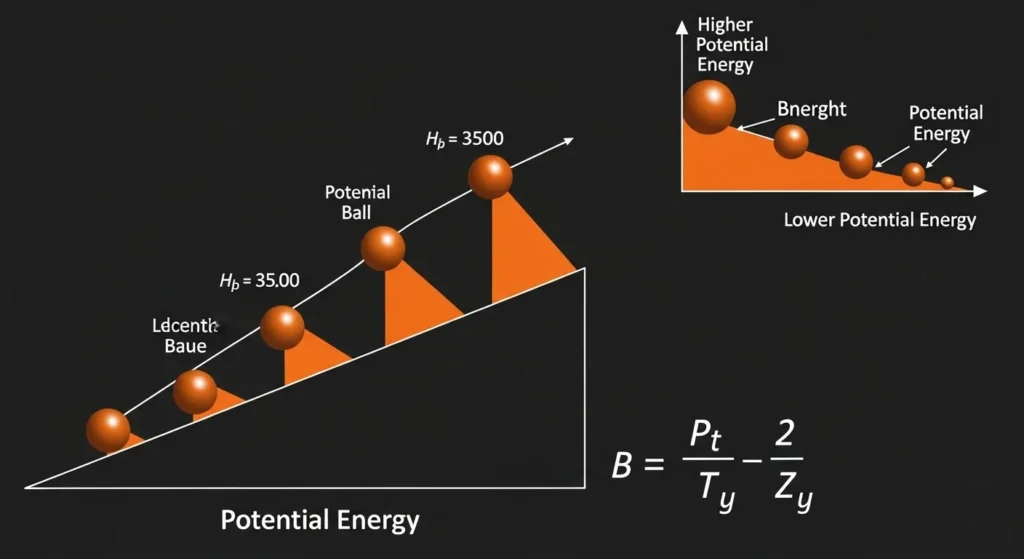
Think of water stored in a tank:
- Higher water level = higher pressure
- Water flows from high to low level
- Similarly, electric charges flow from high to low potential
Types / Classification of Electric Potential
1. Electric Potential Due to a Point Charge
- Created by a single charged particle
- Depends on distance from the charge
- Decreases as distance increases
2. Electric Potential in an Electric Field
- Produced by multiple charges
- Varies across space
- Used in practical electrical systems
3. Electric Potential Difference (Voltage)
- Difference between two points
- Drives current in circuits
- Measured in volts
4. Constant Electric Potential
- Same value at all points
- No current flow
- Found in balanced systems
Main Components of Electric Potential
1. Electric Charge
- Basic unit of electricity
- Can be positive or negative
2. Electric Field
- Region around a charge
- Exerts force on other charges
3. Work Done
- Energy required to move charge
- Determines potential level
4. Distance
- Potential depends on distance from charge
- Greater distance reduces potential
Advantages of Electric Potential
The electric potential advantages and disadvantages help us understand its importance.
Advantages
- Helps explain current flow in circuits
- Essential for designing electrical systems
- Used in power generation and transmission
- Supports safe voltage control
- Important in electronics and communication systems
Disadvantages / Limitations
- Difficult to measure directly in some cases
- Depends on reference point
- Can be complex in multi-charge systems
- Requires proper understanding of electric fields
Applications of Electric Potential
The electric potential applications are seen in daily life and industry.
Home Applications
- Power supply in homes
- Charging batteries
- Operating appliances
Industrial Applications
- Power transmission systems
- Electrical machines
- Control systems
Modern Technology
- Electronic circuits
- Mobile devices
- Renewable energy systems
Comparison Section
Difference Between Electric Potential and Electric Potential Difference
| Feature | Electric Potential | Electric Potential Difference |
|---|---|---|
| Definition | Energy per unit charge at a point | Difference between two points |
| Measurement | Single point | Between two points |
| Symbol | V | ΔV |
| Role | Indicates energy level | Drives current |
This explains the difference between electric potential and electric potential difference clearly.
Selection Guide
How to Work with Electric Potential (Tips for Beginners)
- Always use proper measuring instruments
- Understand circuit diagrams
- Identify high and low potential points
- Use correct voltage ratings
- Follow safety rules
Common Problems & Solutions (FAQs Style)
1. Why is there no current flow?
Reason: No potential difference
Solution: Check voltage source
2. Why is voltage dropping?
Reason: Resistance in circuit
Solution: Check wiring and connections
3. Why is equipment not working?
Reason: Incorrect potential supply
Solution: Verify voltage rating
4. How to measure electric potential?
Solution: Use a voltmeter
Future Trends in Electric Potential
Modern technology is improving how we use electric potential.
Smart Systems
- Smart grids control voltage automatically
- Efficient energy distribution
Renewable Energy
- Solar panels use electric potential
- Battery storage systems improving
Advanced Electronics
- Low-voltage devices
- Energy-efficient circuits
Conclusion
Electric potential is a fundamental concept that explains how electricity works. It is the driving force behind current flow and plays a key role in all electrical systems. By understanding the electric potential working principle, types, and applications, students and engineers can design better and safer systems.
Although it may seem like a theoretical concept, electric potential has practical importance in everyday life—from powering homes to running industries. Mastering this topic will give you a strong foundation in electrical engineering and help you understand more advanced concepts easily.