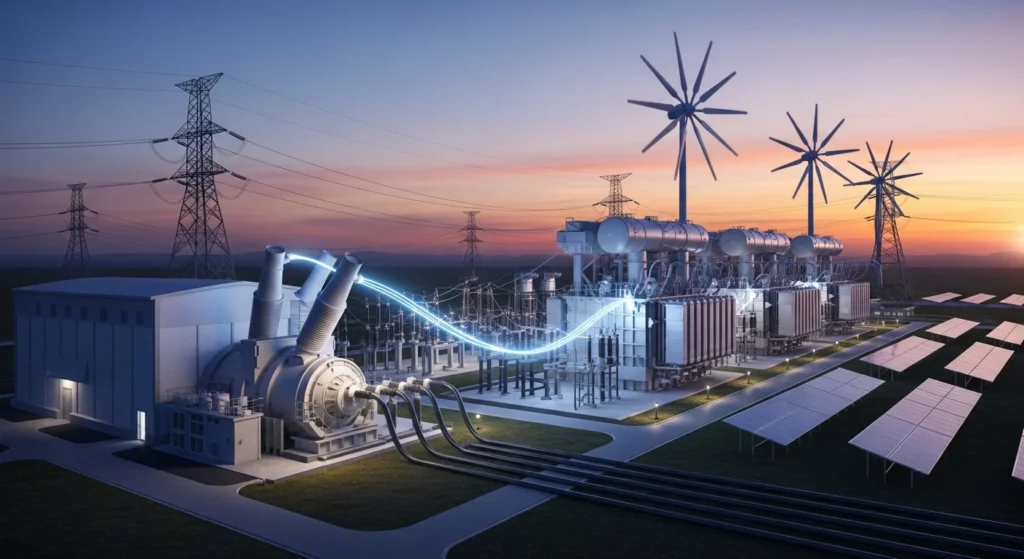

Imagine waking up in the middle of a stormy night, and suddenly, the lights flicker out. Your home plunges into darkness because the local grid has failed. But if you have a backup power generating system, like a small diesel generator, everything turns back on in minutes. This real-life scenario shows how vital these systems are in our daily lives, from keeping hospitals running during emergencies to powering remote villages far from city grids.
Power generating systems are essential in today’s world where electricity drives everything from smartphones to factories. They convert various forms of energy into electrical power, ensuring we have a reliable supply. Without them, modern society would grind to a halt. This topic is important for electrical students, engineers, technicians, and beginners because understanding it builds a strong foundation for designing, maintaining, and innovating in energy solutions.
In this article, you’ll learn the basics of what a power generating system is, its working principle, types, components, advantages and disadvantages, applications, and more. We’ll cover practical tips on selection, troubleshooting common problems, and future trends. By the end, you’ll feel confident tackling real-world power challenges, whether you’re a student building your first project or a technician fixing an outage.
What is Power Generating System?
A power generating system is a setup that produces electrical energy from other sources like fuel, water, or sunlight. In simple terms, it’s like a machine that turns raw energy into the electricity we use every day.
Think of it as a kitchen blender. You plug it in, but the power comes from somewhere else – usually a distant plant. A power generating system creates that power on-site or at large scales. It includes generators, turbines, and controls to make electricity safely and efficiently.
For a practical example, consider a wind farm. Wind spins blades connected to a generator, producing power for nearby homes. This shows how these systems can be clean and sustainable, helping reduce reliance on fossil fuels.
Working Principle
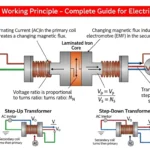
The power generating system working principle is based on converting one form of energy into electrical energy. Most systems use electromagnetic induction, discovered by Michael Faraday. This means a changing magnetic field creates an electric current in a wire.
Let’s break it down step-by-step with an easy analogy. Imagine riding a bicycle with a dynamo light. As you pedal (input energy), the wheel spins a magnet near a coil, lighting the bulb (output electricity). That’s the core idea.
- Energy Input: Start with a source like coal burning to heat water or wind turning blades. This creates mechanical motion.
- Conversion to Mechanical Energy: The input drives a turbine or engine, spinning a shaft. Like pedaling the bike harder for brighter light.
- Electromagnetic Generation: The spinning shaft is attached to a rotor with magnets. It moves past stationary coils (stator), inducing current. Simple as that – no magic, just physics.
- Output and Control: The current is regulated by circuits to match needs, like voltage for homes (120V) or industries (higher).
This process ensures steady power. Bullet points help see the flow clearly.
Types / Classification
Power generating systems come in various types based on energy sources. Each has unique features suited for different needs.
Thermal Power Generating Systems
These use heat from burning fuels like coal or gas to produce steam. The steam spins turbines connected to generators. They’re common in large plants because they’re reliable for constant supply. However, they produce emissions, so cleaner fuels are gaining popularity.
Hydroelectric Power Generating Systems
Water flow from dams or rivers turns turbines. No fuel needed – just gravity and water. Ideal for areas with rivers, providing clean, renewable power. The difference between hydroelectric and thermal is in the source: natural water versus burned fuel.
Nuclear Power Generating Systems
Here, nuclear reactions split atoms to create heat, boiling water for steam. It’s efficient, producing lots of power from little fuel. But safety is key due to radiation risks. Compared to others, nuclear offers steady output without weather dependence.
Solar Power Generating Systems
Sunlight hits panels made of silicon cells, exciting electrons to create current. Great for sunny areas, scalable from rooftops to farms. The working principle differs: direct light conversion, no moving parts like turbines.
Wind Power Generating Systems
Wind spins large blades on towers, driving generators. Best in windy spots like coasts. Renewable and low-cost once installed. Unlike solar, it works day or night but needs consistent wind.
Other Types
Includes biomass (plant waste) and geothermal (earth’s heat). These are niche but growing for sustainability.
Main Components
Every power generating system has core parts that work together. Understanding them helps in maintenance and design.
The prime mover is the engine or turbine that starts the motion, like a car’s engine. It takes input energy and converts it to mechanical spin.
Next, the generator or alternator turns that spin into electricity using coils and magnets. It’s the heart, producing the output current.
Fuel or energy supply systems provide the raw input, such as coal feeders in thermal plants or water channels in hydro.
Control panels with switches and sensors monitor everything. They adjust speed or voltage to keep things safe and efficient.
Cooling systems prevent overheating, using water or air. Lubrication parts reduce wear on moving components.
Finally, transmission gear like transformers steps up voltage for long-distance sending.
Advantages
- Reliability: Many systems provide constant power, unlike weather-dependent ones, ensuring no blackouts in critical areas.
- Scalability: From small home units to massive plants, they fit any need, helping expand energy access.
- Job Creation: Building and maintaining systems create employment in engineering and tech fields.
- Energy Independence: Reduces reliance on imported fuels, boosting national security.
- Environmental Benefits: Renewable types like solar and wind cut carbon emissions, supporting green goals.
- Cost Savings: Over time, efficient systems lower electricity bills through better technology.
These power generating system advantages and disadvantages show a balanced view, but positives often outweigh in modern designs.
Disadvantages / Limitations
Power generating systems aren’t perfect. High initial costs can deter small users, especially for large setups like nuclear plants.
Environmental impact is a concern; thermal types release pollutants, contributing to climate change.
Maintenance needs skilled workers, and downtime can be costly if parts fail.
Some depend on weather or location – solar needs sun, hydro requires water sources.
Safety risks exist, like radiation in nuclear or fuel explosions in thermal.
Finally, efficiency losses occur during conversion, wasting some input energy.
Applications
In homes, small power generating systems like solar panels or generators provide backup during outages or off-grid living.
Industries use large thermal or hydro systems for heavy machinery, ensuring non-stop production in factories.
Modern tech sees wind and solar in electric vehicle charging stations, promoting clean transport.
Remote areas benefit from portable diesel units for communication towers or mining.
Data centers rely on reliable systems to keep servers running 24/7.
Even space missions use nuclear generators for long-term power far from the sun.
Comparison Section
Comparing types helps see differences. Here’s a table:
| Type | Energy Source | Efficiency | Cost | Environmental Impact |
| Thermal | Fossil Fuels | Medium | High | High (Emissions) |
| Hydroelectric | Water | High | Medium | Low |
| Nuclear | Uranium | High | Very High | Low (But Risky) |
| Solar | Sunlight | Medium | Low (Long-term) | Very Low |
| Wind | Wind | Medium | Medium | Very Low |
The difference between renewable (solar, wind) and non-renewable (thermal, nuclear) is key: renewables are sustainable but variable.
Selection Guide
Choosing the right power generating system starts with assessing needs. Calculate your power load – how much electricity do you use daily?
Consider location: Sunny spots suit solar, windy areas favor wind.
Budget matters; renewables have lower running costs but higher upfront.
For beginners, start small. Test a home solar kit before scaling.
Check regulations; some areas offer incentives for green systems.
Reliability: If constant power is crucial, go hybrid with backups.
Finally, consult experts for custom advice to avoid mismatches.
Common Problems & Solutions
Q: Why does my generator make strange noises?
A: Often due to loose parts or low oil. Check levels and tighten bolts. If persists, call a technician.
Q: Solar panels not producing enough power?
A: Dust or shade blocks light. Clean regularly and ensure clear exposure. Faulty wiring? Inspect connections.
Q: System overheats frequently?
A: Poor cooling. Clean vents and ensure good airflow. Overload? Reduce connected devices.
Q: Power fluctuations in wind systems?
A: Variable wind speeds. Add batteries for storage or hybrid with solar.
Q: High fuel consumption in thermal?
A: Inefficient tuning. Regular maintenance optimizes performance.
These cover typical issues for quick fixes.
Future Trends
Power generating systems are evolving fast. Smart grids integrate AI for better efficiency, predicting demand and reducing waste.
Hydrogen fuel cells promise clean power, storing energy like batteries but with longer life.
Microgrids allow communities to generate and share locally, enhancing resilience.
Advanced materials in solar panels boost efficiency beyond 20%.
Floating wind farms expand offshore potential.
Overall, the industry heads toward decarbonization, with renewables dominating by 2050.
Conclusion
We’ve covered the essentials of power generating systems, from definitions and working principles to types, components, advantages and disadvantages, and applications. Remember, these systems power our world, with renewables leading the way for sustainability.
As a senior electrical engineer, I’ve seen how understanding basics leads to innovative solutions. Whether you’re a student experimenting or a technician on the job, apply this knowledge practically. Stay curious – the energy field changes rapidly.
Explore further by building simple models or reading updates. With the right approach, you can contribute to a brighter, powered future.