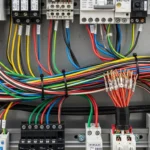

Imagine a newly constructed house where the electrical wiring has just been completed. Lights, switches, sockets, and circuit breakers are installed, and everything seems ready to use. However, before electricity is turned on, a professional electrician carefully checks every wire, connection, and safety device. This process is called electrical inspection.
Electrical systems power almost every part of modern life. From homes and offices to factories and hospitals, reliable electricity is essential for safety and productivity. However, poorly installed or damaged electrical systems can cause serious problems such as electric shocks, equipment failure, or even fires.
This is why electrical inspection is a critical part of electrical engineering and maintenance. It ensures that electrical installations meet safety standards and operate correctly.
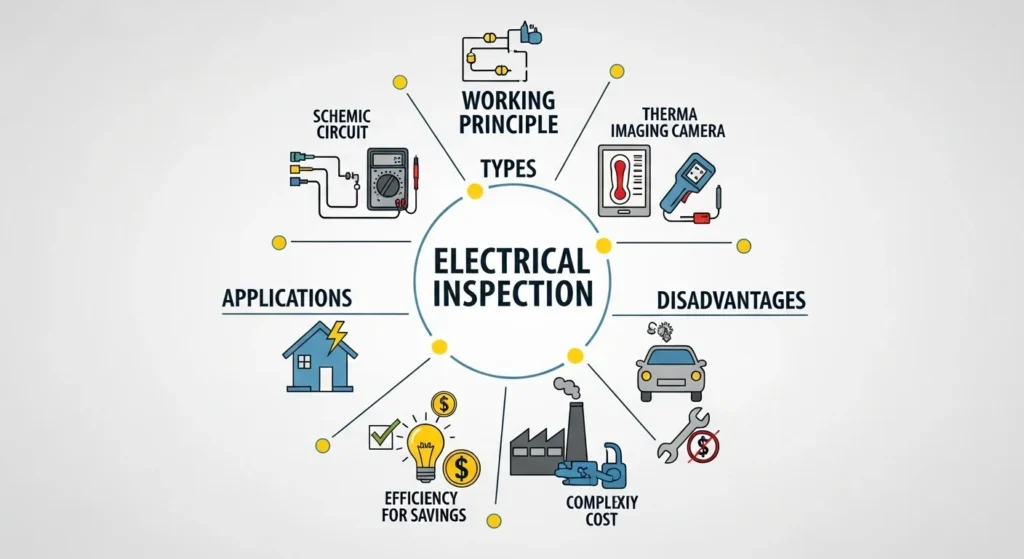
In this article, you will learn what electrical inspection is, the electrical inspection working principle, different types of inspections, important components involved, and real-world electrical inspection applications. The goal is to explain the concept in simple language so that students, technicians, and beginners can understand it clearly.
2. What is Electrical Inspection?
Definition
Electrical inspection is the process of examining electrical systems, equipment, wiring, and components to ensure they are safe, properly installed, and functioning correctly.
It helps identify faults, hazards, and violations of electrical standards before they cause serious problems.
Simple Explanation
In simple terms, electrical inspection means checking electrical systems carefully to make sure they are safe and working properly.
Inspectors verify that:
- Wiring is correctly connected
- Electrical devices are functioning properly
- Safety standards are followed
Practical Example
Before a new building receives electrical power from the utility company, an electrical inspector checks the wiring system, circuit breakers, earthing system, and load capacity.
If everything meets safety requirements, the system is approved for operation.
3. Electrical Inspection Working Principle
The electrical inspection working principle is based on identifying electrical faults, unsafe conditions, and improper installations through systematic examination and testing.
Step-by-Step Process
- Visual Inspection
The inspector first checks electrical components visually.
Examples include:
- Loose wires
- Damaged insulation
- Incorrect wiring connections
- Testing Electrical Equipment
Special tools are used to test electrical parameters such as:
- Voltage
- Current
- Resistance
- Insulation quality
- Verification of Safety Standards
Inspectors confirm that the electrical system follows standard safety codes and regulations.
- Identifying Potential Hazards
Possible dangers like overloads, short circuits, and poor grounding are identified.
- Documentation and Reporting
Finally, the inspector prepares a report that lists problems and recommended corrections.
Simple Analogy
Electrical inspection is similar to a medical check-up for electrical systems. Just like doctors check the human body to detect health issues early, inspectors check electrical systems to prevent accidents.
4. Types of Electrical Inspection
Electrical inspection can be classified into different types depending on the situation.
Initial Electrical Inspection
This inspection is performed when a new electrical installation is completed.
Purpose:
- Verify correct installation
- Ensure compliance with safety standards
- Approve electrical connection
Routine Electrical Inspection
Routine inspections are performed periodically to maintain system safety.
Purpose:
- Detect wear and damage
- Prevent electrical faults
- Ensure long-term system reliability
Special Electrical Inspection
This inspection is conducted after specific events such as:
- Electrical accidents
- System upgrades
- Equipment failures
Its goal is to identify the cause of problems and prevent future incidents.
Preventive Electrical Inspection
Preventive inspection focuses on identifying potential faults before they cause system failure.
It is commonly used in industries where electrical reliability is critical.
5. Main Components of Electrical Inspection
Several tools and equipment are used during electrical inspections.
Multimeter
A multimeter measures electrical values such as:
- Voltage
- Current
- Resistance
It helps identify electrical faults.
Insulation Resistance Tester
This device checks insulation quality in wires and cables.
Poor insulation can lead to electrical leakage and short circuits.
Circuit Tester
A circuit tester confirms whether electrical circuits are live or properly connected.
Thermal Imaging Camera
Thermal cameras detect abnormal heat in electrical components, which may indicate faults or overloads.
Inspection Checklist
Inspectors often use a checklist to ensure all electrical components are examined systematically.
6. Advantages of Electrical Inspection
Electrical inspection provides many practical benefits.
Advantages include:
- Improves electrical safety
- Reduces risk of electrical fires
- Prevents equipment damage
- Detects faults early
- Improves system reliability
- Ensures compliance with electrical codes
- Protects human life and property
Regular inspections are essential for maintaining safe electrical systems.
7. Disadvantages / Limitations
Although electrical inspection is beneficial, it also has some limitations.
Electrical inspection disadvantages and limitations include:
- Requires skilled professionals
- Inspection tools can be expensive
- Some hidden wiring problems are difficult to detect
- Inspection may temporarily interrupt electrical operations
Despite these challenges, inspections remain essential for electrical safety.
8. Electrical Inspection Applications
There are many important electrical inspection applications in different sectors.
Home Applications
- House wiring inspection
- Electrical panel inspection
- Appliance safety testing
Industrial Applications
- Factory electrical systems
- Heavy machinery inspection
- Power distribution panels
Commercial Applications
- Office buildings
- Shopping malls
- Hospitals
Modern Technology Applications
Electrical inspection is also used in:
- Data centers
- Renewable energy systems
- Smart buildings
These applications show the importance of electrical inspection in modern electrical infrastructure.
9. Comparison Section
Difference Between Electrical Inspection and Electrical Testing
| Feature | Electrical Inspection | Electrical Testing |
|---|---|---|
| Purpose | Visual and safety check | Measurement of electrical parameters |
| Method | Observation and verification | Use of testing instruments |
| Scope | Overall system evaluation | Specific electrical performance check |
| Example | Checking wiring installation | Measuring insulation resistance |
Understanding the difference between electrical inspection and electrical testing helps technicians perform proper maintenance.
10. Selection Guide
Choosing the right inspection method depends on the type of electrical system.
Tips for Beginners
- Start with visual inspection
- Use proper testing instruments
- Follow electrical safety standards
- Inspect grounding and protection systems carefully
Factors to Consider
- System size
- Equipment type
- Safety requirements
- Operating environment
Proper inspection planning improves electrical system reliability.
11. Common Problems & Solutions
Q1: Why is electrical inspection necessary?
Electrical inspection helps detect faults early and prevents electrical hazards such as short circuits and fires.
Q2: How often should electrical inspections be performed?
Residential systems are usually inspected every few years, while industrial systems may require frequent inspections.
Q3: What are common problems found during inspections?
Common problems include:
- Loose wiring
- Overloaded circuits
- Damaged insulation
- Improper grounding
Q4: Can electrical inspection prevent electrical fires?
Yes. Early detection of overheating wires or overloaded circuits can prevent fire hazards.
Q5: Who should perform electrical inspections?
Qualified electricians or certified electrical inspectors should conduct professional inspections.
12. Future Trends
Electrical inspection is evolving with modern technology.
Smart Inspection Systems
Advanced sensors can monitor electrical systems continuously.
AI-Based Fault Detection
Artificial intelligence can analyze electrical data to detect faults earlier.
Drone-Based Inspection
Drones are used to inspect power lines and large electrical infrastructure.
Digital Monitoring Systems
Smart grids allow real-time monitoring of electrical systems.
These innovations will improve electrical safety and system reliability.
13. Conclusion
Electrical inspection is an essential process that ensures electrical systems operate safely and efficiently. It involves examining electrical wiring, equipment, and protective devices to detect faults and prevent hazards. Without proper inspection, electrical systems can develop dangerous problems such as short circuits, overloads, or insulation failures.
In this article, we explained what electrical inspection is, its working principle, types, important components, advantages and disadvantages, and real-world applications. We also discussed the difference between electrical inspection and electrical testing to help beginners understand the concept more clearly.
For electrical students, technicians, and engineers, learning about electrical inspection is an important step toward maintaining safe and reliable electrical installations. Regular inspections protect equipment, prevent accidents, and ensure compliance with safety standards.
By understanding and applying proper inspection practices, electrical professionals can build safer and more efficient electrical systems.