
Imagine arriving home at night with your hands full of groceries. Instead of searching for a wall switch in the dark, you simply open a mobile app or use a voice command to turn the lights on. In modern homes, this type of convenience is possible because of smart switches.
A smart switch is an advanced electrical device that allows users to control lights and other appliances using smartphones, voice assistants, or automation systems. These switches are becoming an important part of smart homes and modern building automation systems.
For electrical students, engineers, technicians, and beginners, understanding smart switches is very important because they represent the future of electrical control technology. Unlike traditional switches that only provide manual operation, smart switches allow remote control, scheduling, and automation.
In this article, you will learn the smart switch working principle, different types of smart switches, their main components, advantages and disadvantages, and practical smart switch applications. The explanation is written in simple and clear English so that beginners can easily understand how smart switches work and how they are used in modern electrical systems.
2. What is a Smart Switch?
A smart switch is an electrical switch that can control lights or appliances remotely using wireless communication such as Wi-Fi, Bluetooth, or smart home networks.
Unlike traditional wall switches, a smart switch allows users to control electrical devices through a smartphone app, voice assistant, or automated schedule.
In simple terms, a smart switch combines a normal electrical switch with digital communication technology.
Practical Example
For example, a homeowner can use a smartphone to turn off all lights in the house while sitting in another room or even when outside the home. This level of convenience is possible with a smart switch.
3. Smart Switch Working Principle
The smart switch working principle is based on combining electrical switching with wireless communication and electronic control circuits.
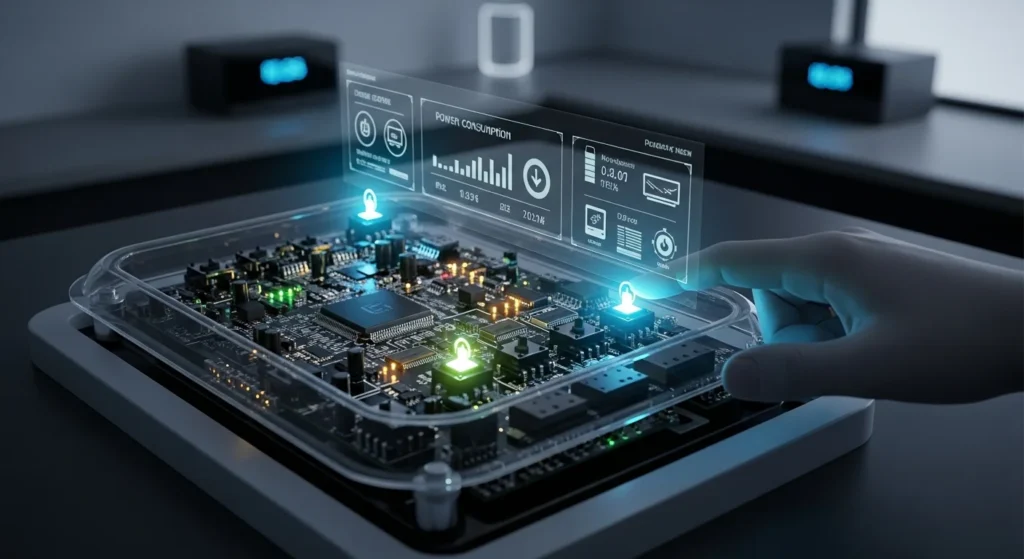
A smart switch contains an internal controller that communicates with a mobile application or smart home system. When the user sends a command, the controller activates a relay or electronic switch that turns the electrical load ON or OFF.
Step-by-Step Operation
- Power Supply
The smart switch receives electrical power from the building wiring. - Wireless Connection
The device connects to Wi-Fi, Bluetooth, or a smart home network. - User Command
The user sends a command using a smartphone app or voice assistant. - Signal Processing
The internal microcontroller processes the command. - Load Switching
A relay or electronic switch turns the connected appliance ON or OFF.
Simple Analogy
Think of a smart switch like a remote control for your lights. Instead of pressing a button on the wall, you control it through a phone or voice command.
4. Types / Classification of Smart Switch
Smart switches are available in different types depending on their technology and functionality.
Wi-Fi Smart Switch
Wi-Fi smart switches connect directly to a home Wi-Fi network. They allow users to control devices from anywhere using a smartphone app.
These are the most commonly used smart switches in homes.
Bluetooth Smart Switch
Bluetooth smart switches operate using Bluetooth communication. They are usually controlled within a short distance using a mobile device.
They are suitable for small spaces or single-room installations.
Zigbee Smart Switch
Zigbee smart switches use a low-power wireless communication protocol commonly used in smart home systems.
They are highly reliable and often used in large automation systems.
Touch Smart Switch
Touch smart switches have a glass panel and operate using touch-sensitive controls. They combine modern design with smart control technology.
Voice-Controlled Smart Switch
These switches integrate with voice assistants and allow users to control devices through voice commands.
5. Main Components of a Smart Switch
A smart switch contains several electronic and electrical components.
Microcontroller
The microcontroller acts as the brain of the smart switch. It processes commands and controls switching operations.
Relay or Electronic Switch
The relay connects or disconnects the electrical circuit to control the load.
Wireless Communication Module
This module enables communication through Wi-Fi, Bluetooth, or other protocols.
Power Supply Circuit
The internal power supply converts the incoming voltage into a suitable level for electronic components.
Touch Panel or Button Interface
Some smart switches include touch panels or buttons for manual operation.
6. Smart Switch Advantages
Understanding smart switch advantages and disadvantages helps users evaluate their usefulness.
Advantages
- Remote control using smartphones
- Integration with smart home systems
- Energy saving through scheduling
- Increased convenience and automation
- Ability to control multiple devices
- Modern and stylish design
- Improved home security through automated lighting
These advantages make smart switches a key part of modern home automation.
7. Disadvantages / Limitations
Despite their benefits, smart switches also have some limitations.
- Higher cost compared to traditional switches
- Dependence on internet or wireless connectivity
- Installation may require technical knowledge
- Compatibility issues with some electrical systems
- Potential cybersecurity risks if not configured properly
Understanding these limitations helps users choose the right switching solution.
8. Smart Switch Applications
There are many smart switch applications in residential, commercial, and industrial environments.
Home Applications
- Smart lighting control
- Smart appliances
- Security lighting systems
- Home automation systems
Commercial Applications
- Office lighting automation
- Energy management systems
- Smart meeting rooms
Industrial Applications
- Automated equipment control
- Smart factory lighting
- Remote monitoring systems
Hospitality and Hotels
- Smart room lighting
- Energy saving systems
- Guest automation services
These applications show how smart switches improve convenience and energy efficiency.
9. Comparison Section
Understanding the difference between smart switch and traditional switch helps beginners understand their advantages.
| Feature | Smart Switch | Traditional Switch |
|---|---|---|
| Control Method | Remote and manual | Manual only |
| Automation | Yes | No |
| Energy Monitoring | Possible | Not available |
| Installation Cost | Higher | Lower |
| Smart Home Integration | Supported | Not supported |
Both switches have their place in electrical systems depending on the required functionality.
10. Selection Guide
Choosing the right smart switch requires evaluating several factors.
Compatibility
Ensure the smart switch works with the existing electrical system and smart home platform.
Load Capacity
The switch must support the electrical load of the connected appliances.
Communication Technology
Choose between Wi-Fi, Bluetooth, or Zigbee depending on the application.
Safety Features
Select switches with protection features such as overload protection.
Ease of Installation
Some smart switches require a neutral wire or special wiring.
11. Common Problems & Solutions
Smart Switch Not Connecting to Wi-Fi
Possible causes include weak Wi-Fi signal or incorrect network settings.
Solution: check router connection and reset the switch.
Smart Switch Not Responding
This may happen due to software errors or power interruptions.
Solution: restart the device or reinstall the mobile application.
Lights Flickering
Possible causes include incompatible bulbs or wiring issues.
Solution: use compatible bulbs and check electrical connections.
App Control Not Working
Possible causes include outdated software or server issues.
Solution: update the application and firmware.
12. Future Trends
Smart switch technology is evolving rapidly with modern automation systems.
Integration with Artificial Intelligence
Future smart switches may learn user behavior and automatically control lighting.
Advanced Energy Monitoring
Smart switches will track energy consumption and provide detailed reports.
IoT Connectivity
Smart switches will become part of large Internet of Things networks for full building automation.
Improved Security
Future systems will include stronger cybersecurity features to protect smart home networks.
13. Conclusion
Smart switches represent the next generation of electrical control devices. They combine traditional switching functions with digital communication and automation technology.
Understanding the smart switch working principle, components, and smart switch applications is important for electrical students, engineers, and technicians who want to work with modern electrical systems.
Although smart switches may cost more than traditional switches, their benefits such as remote control, energy efficiency, and automation make them very valuable in modern homes and buildings.
As technology continues to evolve, smart switches will become more intelligent, secure, and integrated with advanced smart home systems. Learning about them today prepares electrical professionals for the future of building automation.